Spring has sprung and there are many plants that are in their exciting phase of new growth. It’s one of my favorite times of year with all the new buds, flowers and shoots springing forth with such vigor. Things grow fast now and it’s so engrossing to wander thru the garden and check out what’s happening. I take a walk among the plants every morning to see what new wonders have exploded over night. It’s the most dynamic time of year.
I’m going to show you a number of plants as they’re starting out their new cycles of becoming. This first plant is a favorite of mine (aren’t they all?? ;-). This Japanese Tassel Fern can grow 2-3 feet wide. This plant has been here for a few years so it’s that big. I cut the ferns back in early spring every year so the new growth predominates and we get to see the glory of the new growth without the faded old fronds.
Floating Cloud Japanese Maple (Acer palmatum “Ukigumo”)
Look at the top of the tree here. You can see the white new growth of this pale maple. The foliage is white with creamy pink and green borders. It’s a small maple which is good since doesn’t have a lot of room to grow. It’s been here for 10 years now and is still small. Most of the growth has formed down low so it’s very full and luscious when it’s all leafed out. From a distance it sure does look a lot like floating clouds.
Eddie’s White Wonder Dogwood (Cornus florida x nuttallii)
This is a cross between the east and west coast dogwoods and is very vigorous and floriferous. The “flowers” aren’t actually flowers at all. They’re called bracts and are simply masquerading as blooms. This plant will be covered with these “flowers” soon and they’ll get much larger than in the photo. It also shines in fall when the whole tree turns a beautiful scarlet.
Mackino’s Holly Fern (Polystichum mackinoi)
Another lovely fern that is a bit ahead of the others. It has crinkly fronds that are spiny to the touch. It gets 2-3 feet wide and stays evergreen until I cut it back, as do most of the others I’ll show you.
Robust Male Fern (Dryopteris filix-mas “Robusta”)
This one will grow to be about 3 feet across. The fiddleheads are prominent here – almost primeval. If I had more of them I might just pick a few to eat. I used to do that backpacking in the High Sierra years ago. They taste a little like asparagus. But I don’t want to cut them back because they look too cool, and I can buy asparagus at the store.
Hime Shojo Japanese Maple (Acer palmatum “Hime Shojo”)
This is our newest Japanese maple, one of about a dozen we have now. I had a larger growing maple here but I decided to move it before it got too big. This one stays pretty small – under 10 feet, if that. It has bright reddish purple leaves that turn an even deeper burgundy in fall. It contrasts nicely with the white Sir Charles Lemon rhododendron behind it and the red Hino Crimson azalea in front.
Bloodgood Japanese Maple (Acer palmatum “Bloodgood”)
If you look at the tops of this tree you can see the new growth. It’s at least 6-8″ long so far and will hopefully grow a another foot or more. One year it didn’t grow at all and it freaked me out. The nursery said it happens sometimes but I’d never seen it before. Luckily it came back great again the next year. It turns a deep burgundy in fall.
Tomatoes
What collection of new beginnings would be complete without some baby tomatoes? I’ve got 3 heirlooms here: Beam’s Yellow Pear (a small prolific yellow pear that kids eat like candy), Burbank Slicing (an all around yummy from the man that brought us the famous Burbank Potato) and Heirloom Marriage Marzinera (said to be the finest paste tomato you can grow). I started them later than I should have but they’ll still be big enough to plant by Mother’s Day – my usual start date for them. We’ll get tons of tomatoes from them. I have great luck starting these from seed.
Weeping White Spruce (Picea glauca “Pendula”)
You can see lots of new buds bursting forth on this one. I’ve worked hard to get this tree to put on a strong top. The first two years they were only 6″ tall and bent over. I had to train it up straight. Last year it grew 12″ and I’m hoping for a foot and a half this year. So far so good. Supposedly it’ll grow 30 – 40 feet tall.
This is one of the earlier Rhododendrons to bloom here. The pale lavender flowers are small but there are lots of them. Under the tree is the Japanese Forest Grass. It dies down in winter so these are the lush new stems.
Soft Shield Fern (Polystichum setiferum)
This is the largest fern we have. It grows well over 4 feet across and is awesome when the fronds are covering it. This clump is about a foot and a half across. In another month it’ll be full and lush. It’s right next to our back deck where it adds a forest like atmosphere.
Korean Rock Fern (Polysichum thus-simemsis)
This may be my favorite fern, tho it’s so hard to say. It’s the only evergreen fern I never touch. It looks beautiful all year round. The new fronds are visible among the old ones and they all look great. This is near the house so we get to see it close-up all the time. It’s growing under a copper beech so it’s always shaded, which it seems to love.
Red Fox Katsura (Cercidiphyllum japonica “Rot Fuchs”)
The new leaves of this tree shine in the morning sun. It grows much taller than it does wide in a sort of column. It’s a form of the Katsura tree which grows much wider than tall. That’d get too big here but this one will fit just fine. It turns a nice apricot in fall and they say the leaves smell like cotton candy, tho I’ve never smelled it. Maybe someday.
Miss Grace Dawn Redwood (Metasequoia glyptostroboides “Miss Grace”)
This is a dwarf form of an ancient tree. It’s only 9 feet tall compared to well over a 150 feet for the species. It’s a redwood that loses its leaves in fall. They come back this lovely green apple green in spring, but the buds are on the tree all winter. It looks like it’s going to burst forth all the time so it’s exciting when it finally does.
Silver Sabre Fern (Polystichum xiphophyllum)
Some call this the “X-fern”, for the species name. Kinda cool I guess. It looks great all year and I always wait till the last moment to cut it back because it looks so good here at the entrance to the front garden. But it’s worth doing it because the new growth is such a beautiful shiny green. New ferns look like there should be dinosaurs around.
Mugo pine (Pinus mugo)
See the new candles on this small pine tree? Once they get a bit longer I’ll break them all in half so the plant stays tight and full. I’ve done it for years and it always comes out great, as you can see. I love how it spills over the wall here. It’s by the front entrance and greets everyone who comes to visit us. The size of these pines varies greatly so I’m not sure how big it’ll eventually get. We’ll see.
Shirazz Japanese Maple (Acer palmatum “Shirazz”)/ Flagpole Flowering Cherry (Prunus serrulata “Amanagowa”)
Two for the price of one here. We originally planted this maple out front but it froze its first year. I’d never heard of a Japanese maple freezing so I was very upset. I dug it up and canned it and it slowly came back. With some creative training it’s now a nice small tree that should grow into a nice specimen. The cherry is just starting to bloom here. The flowers are very fragrant but too high to smell most of them. It turns reds and oranges in fall.
Himalaya Maidenhair Fern (Adiantum venustum)
A hardy evergreen maidenhair fern. I didn’t even know one existed until I saw this in a nursery. A month ago they looked terrible but now the new growth is a light green which will darken into a dark green in another month. It’s growing and spreading under the Miss Grace Metasequoia I showed you earlier. It’s been thriving in its shade.
Leatherleaf Viburnum (Viburnum rhitydophyllum)
These new buds will open soon to become creamy white flowers. It’s a large plant that I’m trying to keep narrow despite it wanting to grow much wider. So far it’s working fine. I love the tropical look to its large leathery leaves.
That’s it. We have so many more choices to share but these were the ones that best showed the things I wanted you to see. I love looking at the ways plants begin to grow. The ferns in particular catch my attention but they all have their attractions. Spring is such a vibrant time of year. I hope you all are enjoying all the new beginnings in your own neighborhood. There’s always so much more to see and appreciate.
California Dutchman’s Pipe (Aristolochia californica) May 2011
A small start for a large vine. This photo was taken shortly after it was planted in March of 2011. It may be small now but it’ll grow, as you’ll see. They say “The first year it sleeps, the second year it creeps, and the third year it leaps”. Not exactly my experience, but it sure has grown a lot in the last 10 years. I’m going to show you photos for each year so you can see how it’s grown over that time.
This fascinating deciduous vine is endemic (limited) to northern California, from the upper Sacramento Valley to the Coast Range to the foothills of the Sierra Nevada up to 2300′ elevation. It’s found mainly in sunny riparian areas (along streams, etc.), but also in dry shade under oak trees. It will grow up to 20 feet or more and has purple-striped curving pipe-shaped flowers (the classic Dutchman’s Pipe) which give rise to winged capsular green fruits. It blooms from late February into May, with the flowers followed by lush green heart shaped leaves. The blooms are also the sole food source for the Pipevine Swallowtail butterfly (Buttus philenor).
The generic name Aristolochia comes from the Greek: aristos meaning “best” and lochias meaning “childbirth”. The specific name, Californica, means it’s from California, as you might guess. One of its early common names is “birthwort” (wort means herb) because it’s supposedly shaped like a womb and was traditionally used to treat pain and infections in childbirth. It’s in a class of plants knows as Paleoherbs, a very early precursor of the Angiosperms (flowering plants) from the Cretaceous period.
June 2011
This photo is actually of the Dwarf Swamp Cypress (Taxodium distichum “Peve Minaret”) but you can still see the vine in back of it.
March 2013
It’s grown a lot in such a short time. You can see the heart shaped leaves in this photo quite well. It’s easier to see against our new bamboo fencing.
March 2014
The pipe shaped flowers are visible in this one. I’d say it’s doing more than just creeping at this point.
January 2014
This is what it looks like as it is just beginning to grow. It starts out early in the year before most other plants.
February 2015
See how much it’s developed in just a month, tho this is taken a year later than the last photo.
March 2016
The flowers supposedly have an unpleasant odor which is attractive to tiny carrion-feeding insects, tho I’ve never smelled it. The insects crawl into the convoluted flowers and get trapped and disoriented, picking up pollen as they wander around. The plant is not insectivorous as initially thought and most escape. Fungus gnats (Mycetophilidae) are thought to be the most effective pollinators. It has been suggested that it is “pollinated by deceit” because it tricks the insects into pollinating it.
May 2017
The flowers are still on the vine but the foliage is slowly taking over. Is it leaping now?
April 2018
Not as much growth this year. The Swamp Cypress is shading it some now.
July 2019
Lush growth. It’s trying to take one the Cypress here. I’ve been taking it off but I may let it grow, as you’ll see next.
May 2020
I’ve let it take over our native Wild Huckleberry (Vaccinium ovatum). It was too much so I cut off the whole branch, vine and all so it wouldn’t fall over and break it. But it did look sort of cool….
April 2021
A current shot from this month. It’s shaded a lot now but still blooming and growing well. There’s more to see…
April 2021
A step back thru the tree shows how much bigger it’s gotten. I’m slowly training it to go down the fence.
April 2021
It’s definitely leaping now. It actually grow further down the fence but is so sparse yet I just stopped here. It’s supposed to get 20 feet long and it may be close to that now. I’m hoping it will cover the whole fence.
Wild Ginger (Asarum caudatum) May 2011
This is another cool plant in the Aristolochiaceae family. It’s our native Wild Ginger (Asarum caudatum). This photo was taken shortly after it was planted in May of 2010. It’s interplanted with another native, the bleeding heart (Dicentra formosa), and the two have spread to cover quite a large area under the rhodies, yews, ferns and other plants growing around them. The roots have medicinal uses but I’ve never tried to harvest them because I don’t want to disturb the plant and risk harming it. Besides it looks so amazing just as it is.
Wild Ginger Flowers
The flowers of this ginger are hard to see as they’re hiding under the leaves. It’s worth hunting for them tho. They’re as interesting as the Pipe Vine but very different.
I love both of these plants. They’re so unique and bring a sense of the wild into the garden. The fact that they’re such ancient beings appeals to my sense of plant history. It’s amazing to think that there were around for so long before humans ever could have seen them. Gives us a good perspective on how short a time we’ve been here. The plant world pre-dates us by millennia.
I’ve always been fascinated by the bark I see on the trees and shrubs I encounter. It seems like there are as many types of bark as there are plants. Lots of variation in color, texture and feel. Some kinds of bark are frankly boring, while others are so unique you can easily recognize the plant in question just by looking at the trunk. But most plants are more difficult to ID unless you can see more of the whole plant itself.
I’m going to be showing photos of selections of bark from the plants in our garden. I just went out to take photos and got so engrossed I ended up with way too many photos of bark that really isn’t that interesting, but I also came up with some gems. I know it may be a little odd to show photos of a little piece of a tree, but I really wanted to keep the focus on the bark, not on the plant itself. I’m just going to list them by name and let you decide what you think of the bark.
Japanese Umbrella Pine (Sciadopitys verticilatta “Wintergreen”)
Blue Pfitzer Juniper (Juniperus chinensis “Pfitzeriana Glauca”)
Rasen Sugi/Japanese Cedar (Cryptomeria japonica “Rasen”)
That’s it. Like I said there’s a lot of variety here in our little Nature Sanctuary. It’s pretty amazing to me to see so many different types of bark in such a small garden. But then that’s what we’ve tried to do here – show off as many unique plants as we can. I hope you enjoyed this rather unorthodox display. Next time you look at some plants be sure to check out their bark. I think you’ll find much to admire.
Happy Solstice! We’ve finally made it to the end of the year so I thought it was a good time to show off some of the trees in the garden as they are now – some bare, some evergreen, all beautiful.
The photo above is of the whole garden viewed from our back deck. The plum in the center still dominates the garden but others are beginning to get as tall or taller than it is now. The Weeping Giant Sequoia (Sequoiadendron giganteum “pendulum”) on the right is the tallest. We planted it 11 years ago this month, and it’s now closing in at 40′. It’s a very fast growing tree. This cultivar of the famous Big Tree, or Sequoia, was discovered in France in 1863.
Growing even faster is the Radicans Sugi (Cryptomeria japonica “Radicans”) just to its left. (Sugi is the Japanese name for Cryptomeria. It means Cedar, tho this is not a cedar…) It was planted in June of 2013 and is probably 30-35′ tall. That’s after 8 growing seasons – it “only” grew 1-1/2′ the first year but it’s put on at least 3-4′ a year since then. It was originally developed for the forestry industry in Japan as a fast growing tree for lumber but now they’re planted as ornamental trees. The massive tree in the very back is a Deodar Cedar (Cedrus deodara) in our neighbor’s front yard. It’s makes a nice backdrop for our garden!
The other thing you can see here is that the whole inner part of the garden is planted with deciduous trees. It’s pretty open this time of year so you can see the structures of the branches and how the trees are formed. I’m a big fan of structure and have done some pruning to accentuate the form of various trees. I think they look awesome when they’re naked like this.
Elegans Sugi (Cryptomeria japonica “Elegans”)
This is a close up of the tree behind the left side of the Plum in the last photo. It’s one of my favorite trees and the one I consider the most “pettable”. The foliage is so soft to the touch it’s hard to believe it’s a conifer. It’s normally green in summer but turns this incredible deep purple in winter. It’s another fast grower having been here since December 2009 like the Sequoiadendron, but it was only 18″ tall when I planted it. Now it’s over 30′ tall. I was a bit concerned that it’s leaning over our neighbor’s garage, and his boat, so I called an Arborist and he said it was safe. What a relief! At least it’s growing up straight now!
I think the form of this tree is awesome. The bark is so white and the structure is so strong. It was planted in July of 2011 as a small 2′ tall tree. It’s a dwarf that is now 12′ tall and wide and will get to 20′ tall, maybe?? It’s a cultivar of the Ginkgo or Maidenhair tree. It’s the only species in its genus and in fact it’s the only plant in its whole family. There’s a Gingko Petrified Forest here in eastern Washington with fossils going back for millions of years. It’s originally from China but this cultivar was found in New Zealand.
Hinoki False Cypress (Chamaecyparis obtusa)
This tree was one of the first trees I planted when I began the takeover of Louie’s garden to create the one we have now. (He let me do it! Honest…). This was in December of 2008. It’s called the Fire Tree in Japan and the wood is used to build temples, among other things. I’ve pruned out the center some to show the structure. It makes it look like the tree is much older than it is since this is how they grow as they age. There are literally hundreds of cultivars of this tree, just as there are of the Sugi or Cryptomeria I’ve shown you already.
Charity Mahonia (Mahonia x media “Charity”)
Not a tree but a very tree-like shrub. It’s taller than the gutters on the garage so it’s 8-9′ tall, and almost as wide. We planted it here in May of 2014. I once did a post on it called Hummer’s Heaven because the hummingbirds love it so much. It blooms for a couple months in Winter when not much else is in flower and provides a much needed source of nectar for them in the harshest time of the year. The bees like it too.
Little Heath Lily of the Valley Shrub (Pieris japonica “Little Heath”)
This one is pruned out in the center to show its structure. It has nicely variegated leaves of light cream and green with a touch of pink. It’s been here since December of ’09 like the others. It has lovely bell shaped flowers like all the Ericaceae (Heather family). It blooms in late winter or early spring. Gently fragrant.
Coral Bark Japanese Maple ( Acer palmatum “Sango Kaku”)
I did a whole profile of this tree a couple of posts ago so I won’t say much here, but this one has our holiday balls on it so I thought it would be a nice seasonal portrait. You can see the red bark on the upper branches quite well in this photo. It was planted in April of 2010, and is still growing 3-4′ a year.
Moonglow Sweet Bay Magnolia (Magnolia virginiana “Jim Wilson”)
This is another very fast grower. It was only 4′ tall when we planted it in May of 2014 and it’s now close to 30′ tall. I remember telling Louie that I’d regret it in 5 years if I didn’t plant it when I did. I’m so glad I took my own advice. It has lovely waxy white flowers that smell like lemons, tho they’re too high to reach them now.
Inverleith Scots Pine (Pinus sylvatica “Inverleith”)
This is another older one – been here since May 2009. It’s from the Royal Botanical Gardens in Edinburgh. It was supposed to have creamy white margins to the needles but it’s only done it once – last year. It was lovely and I wish it did it more often. The label said it would be 10′ tall by 3′ wide when we bought it. Liars! I’ve since learned that it’s going to get 40′ tall and 20′ wide! Wow. Luckily it has room, more or less…. The bark turns a nice orangey brown as it ages. Below it you can see our micro Heather garden in its winter colors.
Korean Butterfly Maple (Acer tschnoskii ssp. Koreanum)
We planted this beautiful maple in March of 2014. It’s the first tree to leaf out in spring and the first to lose all its leaves in the fall, when it turn shining colors of red and orange. I’ve had to prune it up rather high to let it grow over the hedge behind it. Louie thinks the shape is awesome. So do I…
Diana Japanese Larch (Larix kaempferi “Diana”)
I amazed at all the cones on this tree this year. It’s probably 25′ tall now, having been put in the ground back in August of 2014. It turns a striking shade of orange in the fall and the tiny needles litter the floor around it when they drop. I’d hoped it would shade the west end of our small deck in back but it’s too sparse to do that.
The fountain and center of the garden seen from the west
There are many plants in this photo so I won’t try to list them all. But the one on the left is a Red Pygmy Japanese maple (Acer palmatum “Red Pygmy”) that has been here since December ’09. The one on the right is a Vanessa Persian Ironwood tree I’ll describe later on. You can see the Japanese Tassel Fern (Polystichum polyblepharum) at the foot of the Vanessa and in front of it are a few little Rhododendrons. I’ll present the fountain from another direction next. On the left you can see the bench on our small back deck. It’s a nice place to hang out to see the garden from the inside. This is really a garden you appreciate best from within.
The fountain and center of the garden from the south
Another view with too many plants to list them all. I’ll be featuring some of them soon, like the Vanessa I mentioned in the last photo and the Kelly’s Prostrate redwood beneath it. I did a post a few years ago called “The Heart of the Garden” which shows this same scene in summer when it’s all green and lush. The fountain is at the center, of course. What else would you put at the center except water, the life’s blood of any garden?
The ornamental garden as seen from the veggie garden
I took this one mainly to show off the red Firefly Heathers in the front here. (Calluna vulgaris “Firefly”). They’re one of the most colorful of the heathers in winter, turning a bright brick red. Above the heathers is a Beanpole Yew (Taxus x media “Beanpole”), one of a line of columnar conifers we planted along the north side of the veggie garden to connect it with the ornamentals. You can also see the Swane’s Golden Italian Cypress (Cupressus sempervirens “Swane’s Golden”) on the left as well.
North side fence line
This photo shows the line of trees and shrubs on the north side of the garden. On the right is the Sweet Bay Magnolia I already showed you. And the Inverleith Scots pine is next to it. You can’t really see the next few but the skinny one next to the Weeping Redwood is a Rasen Sugi (yes, I like the Sugis…). It’s a unique tree whose bark spirals around the stem, from the smallest needles to the whole trunk. I’ll try to do a post on it someday to show how cool it looks. The Redwood is near the center left and the Radcans Sugi on the left.
Vanessa Persian Ironwood (Parrotia persica “Vanessa”)
This is a good view of this wonderful tree, with a nice view of the Radicans behind it. It has a unique vase shape that I’ve kept tight and narrow at the bottom to allow us to walk around it. It flares out rapidly as it grows up. It was planted in August of 2015, and is one of the most beautiful trees there are in the fall when it turns a glorious golden yellow that lasts for months. It’s probably about 25′ tall now, or more. It’ll get to 40′.
This is one of my favorite trees in the world – the Coast Redwood that is. The species is the tallest tree in the world but this dwarf is only about 3′ tall and some 7′ wide. We don’t have room to grow the species but this one is evocative of the big ones, especially as it’s gotten bigger. It’s the most expensive tree we ever bought for the garden some 10 years ago in June of 2010. (don’t ask…) It was in a 10 gallon can and maybe 2-3′ wide.
Holiday Tree 2020
No this one obviously isn’t growing in the garden. It’s a Noble Fir and smells just wonderful when you walk in the living room where we set it up. Showing this tree just seemed like a nice way to close this post on the eve of a new year. Bringing evergreens inside and putting lights on them at this time of year to remind us that life continues thru the dark times is a very old tradition in many western cultures. We find the symbolism rather wonderful ourselves. We’re grateful to be able to continue this old pagan practice.
I hope you’ve enjoyed these portraits of some of the trees in our little Wildlife Sanctuary. I like to keep track of how long different trees have been growing here and how big they’ve gotten in that time. It still amazes me to think that None of the trees or shrubs I’ve just shown you (except the plum) were here when we started the garden 12 years ago. The entire yard has been transformed in a very short time to become what you see here now. If you look back at some of my early posts you can see what I mean.
This is a delightful garden in many ways, but it’s unique in one particular way: it’s a collection of well over 200 different species, cultivars, varieties, subspecies, hybrids or what have you here on this tiny 1/8th acre patch of ground. We have only a few duplicates in the way of clumps, groupings, lines or whatever. Otherwise they’re all different from one another, tho there are many maples or heathers or rhododendrons or dwarf conifers. I like variety and we sure have it here. I think they all like hanging out together.
Some folks will say that I’ve put in too many plants for the space, and they’re probably right. That’s the pitfall of collecting. You end up with more plants than you have room for. Since I was in high school I’ve had a dream of living in a botanical garden. This is the closest I’ve been able to come to it. That’s why I call it “A Small Garden with Delusions of Grandeur”. It’s a small delusion, compared to others I may entertain….
I’m reminded of an old Chinese proverb: “If you want to be happy for a day, get drunk. If you want to be happy for a month, kill a pig. If you want to be happy for a year, get married. But if you want to be happy for ever and ever, plant a garden”. I so agree.
Happy New Year and good riddance to 2020! Let’s hope 2021 is a Much better year for our poor sick world.
I usually try to share my joy and excitement with the plants in our garden. That’s what I felt when I took this photo of our 11 year old Winter Daphne back in March of this year. It was just starting to bloom. When it’s in full flower the blossoms scent the entire front yard with an incredible intoxicating fragrance. You can even smell it out on the street. In the time it’s been here it’s grown to over 4′ tall and 6′ across. A pretty big Daphne in my experience. I love this plant! So what’s the tragedy? Read on…
9/16/2020
Here’s why. I took this photo a few minutes ago. I’m heartbroken. Starting about 3 weeks ago I noticed some of the leaves on the plant were looking kind of wilted. I thought maybe our hot summer was getting to it. Tho I haven’t had to water it for years now I thought maybe that was the problem, so I gave it tons of water. It just kept getting worse. You can see what it looks like now. Sigh…
Daphnes are known to break your heart. I learned that decades ago in my first nursery job. They tend to just up and die for no apparent reason. I lost a beautiful “Summer Ice” Daphne a couple of years ago just like that. I never knew why. But I’ve been so proud of our Winter Daphne and so pleased it has survived so long. I should have know better, but I chose to believe maybe I’d had something to do with its longevity. What hubris…
I know that with all that’s going on in the world today it may be odd to count this as a tragedy. There are so many much worse things happening all over. But I live in this garden and the plants here matter to me. It’s my job to keep them healthy. But to be honest sometime things happen in a garden that the gardener can’t control. It’s always a lesson in patience and acceptance, even submission, to the vagaries of Nature. But losses like this are still hard to take.
I still have a couple smaller Daphnes I like a lot, but none of them come close to what this plant offered us. As I said the scent was overpowering and so wonderful. I’ll miss it a lot. I don’t think I’ll try to replace it. I don’t have the patience to start over with a baby plant. And the garden would look odd with such a small plant in with all the bigger ones here now. So I’m going to move a large Rhododendron from the back yard to fill the space when I take out the Daphne. It will still be nice, but it won’t fill the garden with delicious fragranced like the Daphne did.
Such is life for a gardener. You grow something for years and then it betrays you by dying on you. Am I taking this personally enough do you think? I’ll get over this in time, but it makes me so sad. Time for some radical acceptance I guess. Despite losses such as this the garden will still be beautiful. Just without our lovely Winter Daphne.
Beware of taking your Daphne for granted – Treasure it while you can!
Coral Bark Japanese Maple (Acer palmatum “Sango-Kaku”) – 4/28/2010
This is a well known and popular Japanese Maple. It’s called Coral Bark for its bright red stems which are said to resemble a tower of red sea coral. The stems are brightest in Spring when it first starts to grow. This photo shows the tree a couple of weeks after it was planted. It kind of stuns me how small it was 10 years ago! I made a point to get a tree that had a tight vase shape to it. I wanted it to fit here at the intersection of the path from the driveway that goes up into the house on one side, and the path that goes into the front garden on the other.
10/29/2010
Here it is in October with the beginning of fall color on it. This year it had a lot of red in it, but it changes each year and other years it has more gold in it than red, as you’ll see as we go along here. No matter the color, it’s always beautiful.
2/16/2011
You can clearly see the bright red stems in this photo. You can also see how much it’s grown in just one year – it grows fast! It’s a perfect fit for its space and is well away from the paths, as intended.
11/18/2011
It grew even more its first year in the ground. The color this year is stunning, tho most of the leaves have fallen by now.
8/23/2012
I didn’t have a Spring photo for this year so you’re seeing 2 years of growth here. It’s still narrow but getting very full.
10/25/2012
The fall color here is more orange than red, which is more what we’ve seen over time. You can still see the red stems.
5/7/2013
It’s getting really full now and starting to look like a “real tree”, which for me means when it gets taller than my head! I’m only 5’4″ tall so I guess that’s really not a very high bar to meet…
10/31/2013
I guess you can tell this was taken on Hallowe’en. It’s gotten significantly taller this year with vibrant orange color.
5/8/2014
I love how it droops down in this photo. The first full flush of Spring growth covers it here and it’s heavy.
11/1/2014
The new growth at the top always turns color more slowly than the older growth. It’ll get there but it takes awhile.
5/6/2015
It’s still growing in a tight vase shape, with a little help from my lopers. I don’t prune it much, just enough to keep it that way.
10/30/2015
Another Hallowe’en photo. We don’t decorate the house for trick or treaters till Hallowe’en day but you can see the corn stalks we line the driveway with behind the tree on the lawn. The kids love how we do it and we have fun too!
3/25/2016
You can really see the red stems on this one. The leaves are just starting to appear on the branches. It’s still a tight shape.
10/23/2016
This is the typical color it seems to turn most years, tho sometimes it has more red in it, which I personally prefer. Not that I don’t love the colors here. It’s getting much wider at the top but is still narrow where it needs to be out of the way.
2/6/2017
It doesn’t snow every year here in Seattle so I like to take photos when it does. The snow really makes the red stems shine.
10/23/2017
There’s a tinge of red on the upper leaves this year, extending down somewhat to the lower parts. This color makes me happy. The tree is getting both taller and wider here but still stays out of the paths. Only takes bit of pruning to do this.
4/22/2018
It’s so lovely when the leaves first start to grow. I said it looked like a “real tree” earlier. It’s so much more so now!
10/17/2018
Here the fall color is trending more towards a deep yellow rather than much red. Again you can see the top colors up later.
2/9/2019
I took this after a huge snowfall last February that destroyed the big coniferous shrub behind the maple. People called it the “Snowpocalypse”. We almost never get this much snow. I love to look at it but we had a lot of breakage of limbs. Very sad.
10/24/2019
I seem to have a lot of photos taken in October here. You can see how the stems darken to a light brown as they age. If you look closely you can still see some vestiges of red here and there. In the back is a gorgeous Waterfall dissected maple.
6/6/2020
We’re finally up to this year. This was just a few ago, in June, and it’s got quite a lot of new growth on it. But as you’ll see in the next photo it still has a ways to go. I don’t know if you’ve been watching the pine to the right here. It’s gotten a whole lot bigger too. I guess everything has…
9/9/2020
I took this one a couple of hours ago, just before I started this post. Like I said you can see that it’s grown since the last photo I took in June. It Really looks like a “real tree” now. It’s not only taller than I am – it’s way taller than the roof! I had to prune off one branch that was drooping down over the roof when it rained. I try to keep things off the roof, but really we only have 2 or 3 trees that I have to worry about that with. Most of the large trees are far away from the house and garage.
I’ve been so pleased with how fast and strong this tree has grown. It’s wonderful to be able to walk under it when you go into the house. And tho you can’t really see it much here I also trained the maple to merge with the Green Pine on the right to form an arch over the path as you drop down onto the lawn and into the garden. I love tree arches and have created a few more here and there throughout the garden. I’ve even made them with large shrubs. They make it feel like you’re entering a different world and help to create a feeling of enclosure as you walk under them. Maybe I’ll do a post on them sometime.
I hope I’ve given you a good look at how this special tree has grown over time. I tried to get photos that showed it at different times of the year, including early Spring when the tree is bare and in fall when it’s in full color. There are also a few that show it in summer when it’s green and growing. I think it’s awesome all year long.
This tree was introduced in Ireland in 1920 and is now widely planted over much of the world. Eventually it will grow to 30′ or 40′ tall and 20′-30′ wide. I’m glad we have it here in our garden and that it’s taken its place in such a short time.
I hope you have some trees in your garden that you love as much as I love this one!!
Maupin Glow Incense Cedar (Calocedrus decurrens “Maupin Glow”) – 11/2013 – shortly after planting
I’ve loved Incense Cedars since I was young. I grew up in central California just an hour from the Sierra Nevada mountains where this tree is native. I have many fond memories of wandering among them in mixed groves of Fir, Pine and Giant Redwoods. It’s got thick deep reddish brown bark and the crushed leaves smell wonderful – hence the name Incense Cedar. The wood is very fragrant as well and has many uses.
It’s not a true Cedar, those are Cedrus. They’re very different trees, but many trees are called cedars that really aren’t. It only matters to botanist types I’d guess. That’s why we use botanical names instead of common ones. You can’t know for sure what it is unless you use the botanical name. They’re in Latin and in use world wide so people all over the world know the same tree. Sometimes I come across websites from Europe in different languages so the Latin name is essential.
This tree was discovered by a man near Maupin, Oregon who thought it was on fire. As you’ll see in other photos it gets to be a pretty bright yellow as it grows older, so I can see why he felt that way. It was about 7′ tall in this photo and the websites all say it will only grow to become 15′ tall x 5′ wide. As you’ll see it gets quite a bit bigger than that, and it does it fast! There’s not much yellow on this tree – the new growth is yellow but changes to green as it ages. What you see here is older foliage before the Spring when the whole tree is bright yellow.
10/2014
It grew about a foot this first year in the ground. It’s grown much faster as it’s aged. Not much yellow on it yet. Just wait!
7/2015
I wish I’d had a more elegant place to plant this than next to the neighbor’s broken down garage and our compost, recycling and trash bins. At least it has room to get as big as it wants. You can see a bit of yellow now on the top branches. 10′ tall.
5/2016
It’s growing a couple of feet this year – now about 12′ tall. It’s got a lot of yellow on the top now and it’s getting much wider. I love the way the branches come out on the sides. Too bad the garage doesn’t let it grow on that side as much.
10/2017
You can really see the yellow on it now. It’s about 14 1/2 ‘ tall – almost “full size” according to the websites, tho in all fairness I should note that usually those sizes are approximate 10 year sizes. Only one place I saw said it would get as big as the species in a garden – 50′ or 60’. I hope it does – I can’t wait!
7/2018
I love how this looks against the grey sky. The yellow is striking isn’t it? It’s up to 16 1/2′ tall and 9′ wide, a bit bigger than the 10 year size in 7 years of growth here. It has a lot of yellow on it now, and it’s enough to stay yellow all year at this point.
2/2019 – Snowmageddon!
In February of last year we had a Huge snowfall for the Seattle area. Over a foot and more in places. That’s a lot for us. This tree did alright because it’s so limber it just bent instead of breaking like others did. It was a heart breaking time for me – we lost one tree completely and others had big branches break or bent so that I had to prune them off. Nature sure does teach gardeners a lot about loss. It’s hard to lose trees you’ve nurtured for years and have come to love. A bitter lesson.
7/2019
18′ tall x 12′ wide, with a lot of yellow that stays all year now. I’ve had to prune a couple of small branches off the side over our garage. That’s about it. It’ll be able to grow all it wants now, tho the neighbors’ garage inhibits it on the left side as you can see. It’s big enough that you can see it over the garage when you’re in the garden proper, and from the street as well. It’s definitely getting a lot bigger than 15′ x 5′! It’s only had 8 years to grow here so far. In 20 years it’s gonna get Big!
8/2020
I took this photo yesterday. It’s about 20′ tall and 15′ wide! It’s got a DBH (diameter at breast height) of over 8″, thus making it a “special” tree that can’t be cut down without the city’s permission, not that we ever would of course! I mention it mainly because Seattle is trying to increase our tree canopy to over 30%, and larger conifers like this one are the best carbon sinks we’ve got. This tree will help ameliorate the effects of climate change as it grows, as will a few others in the garden.
I’m so excited by this tree. Unfortunately you can’t see the bark here, but it’s a deep reddish brown and it flakes off as it ages. Even tho the ones I grew up with were all green this tree still reminds me of my youth and the many times I spent running around the forest learning the trees and other plants. Nature has always been my best teacher, tho I’ve studied in school and worked in nurseries and run my own landscaping biz. My times in the woods have been the most instructive.
This tree is now on the way to becoming the large tree I’ve hoped for here. From a design perspective it provides a strong exclamation point to the South side of the property. It’s outside the gates and not in the garden itself. It stands on its own at the edge and makes a nice border for the property.
In nature Incense Cedars grow well over 150 feet tall but only get 20 -30 feet wide. In a garden it’ll only grow to 50′ or 60′ tall and 20′ or less wide. It’s narrow enough to not offend the neighbors or get too far over our own garage. I planted it thinking it would only get 15′ tall x 5′ wide. I’m so glad all those websites were wrong. This is a wonderful tree and I’m so grateful to have it growing in our little Wildlife & Nature Sanctuary. It adds a unique color and texture to the whole garden.
I hope you enjoyed watching this beautiful tree “glow” as it grows,
I originally planted this up next to the fence behind it here, with the hope that it would grow up and out thru the trees and look cool. It didn’t do so well there and it seemed to die back, but somehow it traveled out underground about 4′ to its present location. Here it gets more sun and can grow much taller. It’s handy to have the Peve Minaret Dwarf Swamp Cypress to grow up into to support its long stems.
As its name implies bees love this critter. So do the hummers. It’s not at all uncommon to see it buzzing with both. It’s easy to grow and is one of my favorite flowers. I love how the petals burst forth at the ends of the stems. They look almost like little bright red fireworks. It really is quite striking from across the yard or from the deck. It’s a perennial so it dies back each year and then grows this big in one season. It’s a wonderful plant if you want to draw pollinators to your garden.
Plant for the Bees – they need all the help they can get!
I love this little mint. It’s one of the tiniest and most delightful plants in our garden. It’s probably the smallest mint you can grow, and only gets a couple of inches tall, but it spreads indefinitely. It’s so wonderful to rub your fingers over it and inhale its sweet fresh scent. I’ll show you several places it’s growing, both where I planted it and where it decided to grow on its own. It’s all over the place now, and I didn’t plant a lot of it. I’ve never seen a flower or seed on it, but somehow it manages to jump all over and grows in the oddest places, often far from the main plants. (Ed. note – Boy I thought I was more observant than this – I just saw dozens of little blue flowers all over these beauties. Must be where the seeds come from. Duh…) Interesting and wonderful!
I first planted a 2” pot of it here among the stones of the walk to the bird feeder in 2008. I’ve had to replant it a few times over the years because it tends to die back in winter, but not always completely. It still persists in coming up and spreading on its own, even when I don’t replant it. This photo is from 2016, and it’s still there today, as you can see in the next photo.
Most of this patch spread from the plants growing among the stones of the walkway, tho I planted a bit under the maple as well. This is the largest patch of it we have, and it’s been steadily expanding over the last several years. Bits of this clump have also jumped across the lawn to grow on the other side. How it does that I haven’t a clue!
These are the stepping stones that lead to the path along the north side of the house from the front to the back. I planted a dozen little 2” pots all among them in May, 2016. You can see how well they filled in over the next few months in the next couple of photos.
This is in June, after only a month of growth. It grew quite fast, probably because I mulched it well and watered it so often!
Sorry this one is so shady, but it’s the only photo I had of it at this stage. This was taken in September of the same year. It was totally full and lush and it was a delight to walk thru it on the stone path. It’s lovely when the smell wafts up to your nose as you bruise it. It won’t take walking on directly, but if you just brush gently against it it doesn’t hurt it. It looked so gorgeous. I had high hopes that it would be there forever after such an impressive start, but it died down almost completely over the following winter. Darn…
This is what that area looks like today. I haven’t planted any more of it since 2016, but somehow little pieces of it managed to stay alive and it’s now spread around the space. It has a nice naturalistic look to it that I find very attractive. I like the little “wild” areas we have here and there in the garden. They give it a cool energy.
This is an example of how this marvelous mint jumps from one place to another all on its own. The main clump has been here for about 4 or 5 years but the little spots coming up along the lawn edge have all developed and grown this year. As I’ve mentioned I don’t have a clue as to how it does this. It obviously puts on seeds of some sort, but I’ve never seen any of them, or any flowers to give rise to them either. Oh well, I think it’s a wonderful plant mystery, so I just enjoy it.
Here’s another example of this mint jumping around. I planted a small pot of it near the gate here in 2008, very early on in the history of this garden. Later on I planted some by the purple beech too. It mostly died out where I put it but now it’s coming up in the cracks of the pavement! The seeds must be very tiny to do that. But how do they get there? Who cares? I’m in thrall to this plant – it’s so magical!
These last photos are of small 2” pots I planted in February of this year. You can see how big they’ve grown in just 4 months. Lots of water, mulch and loving care, and tons of appreciation. I give all our plants a lot of appreciation. I think they thrive on it, but maybe I’m just pretending to hear their joy when I tell them how beautiful they are. Whatever – they sure do grow well!
OK, that’s the story of the Corsican Mint, from my perspective anyway. I assume you’ve guessed that it comes from Corsica, and the Mediterranean in general. Lots of our common culinary herbs come from that region of the world. I’ve never been there but I think I’d enjoy the plants that grow there very much. The hot dry climate is similar to where I grew up in central California. Herbs, and fruits like grapes and olives, do well in both locations. Of course we’re growing this mint in Seattle, and it does just fine here, as you’ve seen. It will probably grow well your garden too. Give it a try!
Ginny Gee Rhododendron/Rhodendron “Ginny Gee” – March
This will be the last of my Random posts. I could do many more I guess but this’ll be over 5 dozen, and that’s a lot of plants to profile. This has been a fun exercise for me, and I hope for you too. In the future I’ll try to keep up with the changes in the garden more as they happen, but I got so far behind this seemed the best way to try to catch us all up. I don’t make any promises about how often I’ll post tho. I go by my emotions and they change so often, and sometimes I just can’t bring myself to write anything clever or informative. We’ll see how it goes as time goes along. Here are the last Random plants.
This is such a cute little rhode. It’s smothered in light pink blossoms, with some yellow shading to them. It grows relatively slowly and will only get to be a 2-3′ ball. It’s been in our garden for about 4 years and has grown a lot since then. I had it in a shadier spot and it only put on a few blooms last year. But I moved it to a sunnier spot and it loves it. This year it rewarded us with zillions of blooms. Again, it shows just how much difference the sun makes!
Sango-Kaku Japanese Maple/Acer palatum “Sango-kaku” – now
We planted this tree at the corner of the path to the front steps and the one into the garden. It’s also known as a Coral Bark Maple. Its red stems (supposedly) look like a tower of coral rising from the sea in spring when it puts on new growth. You can’t really see that now because the trunk grays out with age, but it’s brilliant in spring. It makes a wonderful archway with the Green pine as you walk under it into the garden. It’s gotten this big in 10 years and will grow to 25′ or 30′ in time.
Ward’s Ruby Azalea/Azalea kurume “Ward’s Ruby” – May
This may be my all time favorite azalea. I love the deep dark red and the intense effect it creates when it forms a mass of tiny blossoms. By some wonderful chance I planted it where you can see it directly from the back door of the house straight thru the garden. It’s so bright it shows up way back there. It’s been here for 10 years and won’t get much bigger, just fuller.
Wissel’s Saguaro Lawson False Cypress/Chamaecyparis lawsoniana “Wissel’s Saguaro” – now
This is one strange looking plant. It’s named for the Saguaro Cactus of the southwest area of the US because the arms spread out and up like the cactus does. It’s grown great here – to over 8′ in just 5 years. No one seems to know just how big it will eventually get. 15′, 20′, ??? – who knows? I even cut a hole in the maple above it to allow it to grow thru it if it gets big enough to reach that high. It’s a great plant to have at the front entry to the house. It gives the impression that perhaps the folks who live here are just a bit eccentric. Now why would they think that?? Ha ha…
Pacific Fire Vine Maple/Acer circinatum “Pacific Fire” – now
This is a cultivar of our native Vine Maple that grows abundantly all over the Pacific Northwest, and down into California. In the forest the species of this tree will grow to 30′ as it grows up thru the surrounding trees like a vine. In less shaded areas it’s only a bush 15 or 20′ tall and wide. This variety is called Pacific Fire because the new growth is a brilliant red and the stems keep some orangish color in them as they age. It’s been here for 3 years and has grown this big from a 5′ sapling.
Anna Rose Whitney Rhododendron/Rhododendron “Anna Rose Whitney” – May
The flowers on this rhodie come in trusses of 10 or 12 flowers, and are so abundant the whole plant is just covered in them in spring. It’s gotten pretty big in the 10 years it’s been here, and will get bigger still. The only fault I find with this plant is that the blooms only last for 2-3 weeks – not as long as some, and not as long as I’d like. But they’re so beautiful when they bloom I’m just being picky. And after all – photos are in bloom forever!
Howard McMinn Manzanita/Arctostaphyllos densiflora “Howard McMinn” – February
I lived in the Sierra Nevada mountains of central California for many years, and the Sierras were my “backyard” as I was growing up. So manzanitas have been in my life for over 60 years. Their mahogany brown bark is a defining characteristic of them. They twist and turn and form amazing shapes as they grow. Some are as big as small trees, but this one only gets about 6′ x 5′. It’s been here 10 years. The flowers are very fragrant and the bees love them. A bee-keeper friend in the Sierras would bring us manzanita honey sometimes. It was so fine it set up and crystalized almost immediately. Yummy!
Underplanting of the Red Pygmy Maple – now
There’s no one plant to focus on here. You can see the leaves of the Red Pygmy up above and the Treasure Island Cypress at the right. In the center are 3 nice rhodies – on the left is a Ken Janeck with its new leaves such a soft light green. Next to it is a Ramapo rhodie which has light purple flowers. Barely seen behind them is an Impeditum that doesn’t get enough sun to bloom (remember what I said about enough sun??). The Japanese Tassel fern is on the right and the Japanese Forest Grass is behind the maple’s trunk. The ground cover is Redwood Sorrel, the plant that grows all under the trees in the Redwood groves on the California coast. I love it but it’s also a terribly invasive pest. Gotta go with the love I guess.
Irish Heath/Daboecia cantabrica – now
This is an unusual heath. Most heaths are Ericas, and heathers are Callunas, but this one is a whole different genus. I got it 10 years ago at the Kruckerberg Botanical Garden in a 2″ pot. I stuck it in between the heathers in this bed, which have since all frozen off. I had to move it, but it’s survived all the rest. It’s full of lush spring growth but I’ll show it off later when it’s in bloom. It has lovely lavender bell shaped flowers (like all the Ericaceae) that bloom from midsummer to early fall.
Little Heath Lily of the Valley Shrub/Pieris japonica “Little Heath” – now
This got pretty crowded over the 10 years it’s been here, so last fall I decided to prune out the deadwood and open it up to see how it would look. I was amazed. A little hint – always take out the dead wood first. You may find that’s all you need to do to make the plant look spectacular. At least always start with deadwood before you prune the rest of it. You can see the intricate form of the branches here now with a few flowers at the top (where it gets sun) and some new pinkish growth on the tips. In front of it is a small growing Gemstone Hinoki False Cypress. We just panted it over this last winter. It’s a dwarf, only growing to about 24″ tall and 18″ wide. It may take 20 years to get that big. It’s truly a gem!
Cilpinense Pink Rhodendron/Rhododendron “Cilpinense Pink” – February
One of the earliest rhodies to bloom here. It has delicate light lavender flowers that contrast nicely with the soft blue of the Snow White Lawson Cypress next to it. It’s been here for 4 years and has tripled in size in that time. It’s not super hardy tho and one year the entire set of blooms got hit by a late freeze just as they were blooming. Since then we cover it with burlap sacks to keep them safe, and it’s worked well. It also has very lustrous leaves that are a bit downy looking at the margins.
Stockholm Scotch Heather/Calluna vulgaris “Stockholm” – now
A most unusual Heather. It only grows upright and doesn’t bloom at all, supposedly. It had a few blossoms on it when we got it 2 years ago, but none since. It turns a darker purple-brown in the winter. It fits in well here with the Wild Ginger at the left and the Western Bleeding Heart above it. To the right is a Nana Dwarf Hinoki Cypress – one of the smallest Hinokis. I like how heathers and heaths have coniferous looking foliage. I’ve planted some just for their foliage, knowing that they won’t get enough sun to bloom. But that’s OK sometimes….
Entrance to the Front Garden – now
This is where you come into the front garden. You can just see the arch I created with the Japanese Maple on the left and the Oregon Green pine on the right. The ground drops slightly as you go under the arch so it really feels like you’re walking down into a little glade in the forest. It’s a charming garden to be in. I did a post called A Hidden Gem awhile ago that shows it off much more fully. You can see the Waterfall Maple at the back right, and the Silver Knight heather on the front left. Our Wildlife Sanctuary sign is just under the Maple by the heather. This seems like a good photo to stop with, so I will.
For those of you who have been counting you’ll notice that this is actually the 13th photo in this post, as opposed to only 12 in the previous 4 Random posts. I guess I had an extra one somewhere. I decided it was more important to show you all of them than to cut one for the sake of continuity. I think it was the right decision. They’re all cool photos.
I’ve really enjoyed putting out all these photos in such quick succession. I do prefer to do more informative posts, focused on certain plants or collections of plants, but this was cool to do because I didn’t have a focus. Sometimes Random is the way to go, especially in this chaotic world we live in. It just seemed natural. I have no idea when I’ll post again, but I hope it’s not another 5 months like it was this last time. As I’ve said, my moods determine when I post, and my life in general, so I just hope they give me the impetus to post more often again. Time will tell…
The lines above describe to me the current moment, the current Movement, in our country’s, our world’s, history. The first is from Agnes Callanard, UN Special Rapporteur on Extrajudicial Summary and Arbitrary Executions, recently. The second is from ACT UP (the AIDS Coalition to Unleash Power), during the 1980’s AIDS epidemic. They both express the perspective that is needed so desperately at this time. Another way to put it is this: “The only thing necessary for evil to triumph is for good men (sic – People) to do nothing” – Attributed to Edmund Burke, Irish Statesman. It’s time to speak up.
The protests for Black equality have been going on all over the world for more than two weeks now. They may go on longer. I dearly hope so. We still have so far to go. I’ve rarely been more proud of Humanity than in these times when people of so many different cultures are finally standing up for the Movement for Black Lives. Lives that have been kept down and subjugated for hundreds of years. The only thing that is being asked of us is to listen to and support Black people in being able to live their lives unfettered and free. Maybe now the powers that be will listen too – and, more importantly – Act!
I live in Seattle. If you’ve been following the news you may have heard of the CHAZ – The Capitol Hill Autonomous Zone. I lived and worked on and around Capitol Hill for 30 years. It still feels like my home. The people, the stores, the streets, are all familiar to me. My former home and place of business are both right in the middle of the CHAZ. If I still lived there I’d be out in the streets too. People are calling the shots there now, not the police. I’m so proud of my fellow Seattleites for their willingness to stand up and act for freedom. The times call for civic action, not civic control, not mere words.
But all I have to offer now are my words, so I’m trying to speak them well. That’s why Louie and I painted the sign in the photo above. We put it right on the street so people can see it when they pass by. Because of the pandemic our street has been designated as a no car zone, reserved for pedestrians and non-motorized wheeled vehicle to get some fresh air, so we have a lot of people strolling along it. Our sign is a chance for us to speak our minds to all those who pass by. It’s not much, but it’s a start.
I totally agree with this movement and the protests in support of it. If not for my disabilities I’d be out marching myself. But I can’t, so I write letters and sign petitions, occasionally donate some money, and put up signs on our lawn. We all must do what we can. To do nothing is to shirk our responsibilities as citizens of this country, and of the world as a whole. To do nothing is to be complicit in perpetuating the racist system we live under.
Do you want to be a good person and Act, or to just sit in your easy chair and watch the world go by? It’s your choice – all our choices – to be on the right side of history here. How do you want to be remembered by your children and grandchildren when they ask what you did for the Movement for Equality? Which side do you want to be on?
Racism destroys souls, and not just those of Black and brown folk either. It tarnishes all of us, and makes us act in ways that are less than human. This plays out in so many ways in our daily lives, in ways we don’t even realize. It’s time to wake up and listen to the voices of the oppressed and help them in the ways they suggest to us, not just do what we think we should do. They know what is needed much better than those of us who “won the genetic lottery” and were born with lighter skin.
If you’re not on board with this kind of thinking maybe you should reflect on how racism would affect your own life if you were Black. Walk a mile in their shoes. Imagine how it would feel if you weren’t allowed to eat in certain places or ride on public transit, were cursed at in public and constantly made to feel that you were unworthy of consideration and kindness. Or maybe think about how it would feel if your little brother was shot by an out of control and racist cop, just because he pulled out a cellphone, or had a toy gun. We white folks don’t have a fucking clue.
Educate yourself on the Black Experience. There are tons of good books out there and many movies too. Netflix is showcasing a special Black Lives Matter collection of film right now. Watch some of them. You’ll learn a lot by looking inside lives so different than your own. Stories from real life can help you to understand how it feels to be someone else. Try to see the world from their eyes. It’s a whole ‘nother perspective and one we desperately need. We need to learn more, and do more. It’s not enough, but it’s a good start.
Black Lives Matter!
Steve
I know this is usually a Gardening blog. But the times call out for more. Do you hear me?
Oregon Green Pine/Pinus nigra “Oregon Green” – now
I just came in from my usual morning stroll thru the garden. It was a bit damp with a slight drizzle. I particularly like to walk in the garden when it’s all wet. The plants feel incredibly alive! The rainfall is so nourishing. It seems like all the plants are rejoicing. Walking in the garden got me all excited about it so I thought it was a good time to do my next post of miscellaneous photos. Most are very recent but a few are from Fall or Winter. I’ll tell you.
I already showed you a photo of this pine from the front so you could see the candles on the outside. This is the inside. I pruned it out in February. My main goal was to open up the center for both sight and air circulation. I also just felt it was a little crowded inside. It felt like the energy wasn’t moving thru it properly. I tried to bring out the inner “flow” to it. It all radiates out from the main trunk now. The tree has done most of this itself. I pruned out the inner part but the tree itself created the sinuous form. You can’t see it in the photo but it continues to twist and turn as it reaches the top.
3 Fabulous Ferns – now
This is the west end of the fern bed that runs along the north side of the garage. The 3 ferns here are, from left to right, a Hard Shied Fern (Polystichum aculeatum), and Mackino’s Holly Fern (Polystichum mackinoi” and a Remote Wood Fern (Dryopteris remota). Underneath them all is a wonderful patch of Baby Tears (Soleirolia soleirolii). I’ve loved this little plant since we had it growing at my parent’s home in the first landscape I ever did for them. It brings back good memories.
Tomato Seedlings In the Greenhouse – April
I started 9 seeds each of 3 different heirloom varieties. 2 I bought form the Seed Saver’s Exchange, a seed bank/seller I recommend highly. The other one I planted with seeds I grew last year. Beam’s Yellow Pears. Small sweet pear shape yellow fruits kids eat like candy, and so do adults… These were so well developed we could plant them in early May. They’re good sized now. I had way too many of course – I only planted 2 of each variety for us. So I put the others out on the front parking strip and people took them almost immediately. I love sharing the plants I grow.
Silver Knight Scotch Heather/Calluna vulgaris “Silver Knight” – now
This lovely little heather is at the foot of our front steps. In late summer it’s covered with light lavender blooms, but I planted it more for the foliage and form than the flower, since that’s what we see most of the year. We planted it about 5 years ago.
Tenzan Sugi/Cryptomeria japonica “Tenzan” – now
This is the one plant in the garden that I can say with surety is a truly rare plant. The nursery where I bought it labeled it as such and my reading confirms this to be true. It’s the smallest form of Cryptomeria there is and valued as such. Brand new here. It only grows about 1/4″ a year. It’s supposed to get about a foot big. It’s only 8″ now. It’ll take it years to do that.
Charity Mahonia/Mahonia media “Charity” – now
This one has been here about 9 years. In that time it’s grown to 12′ x 10′, give or take. It’s a prickly thing so I had to prune it back quite a bit from the path at its foot. I pruned up the branches but this year it’s putting back all the foliage I cut off! Only it’s further back from the front so I won’t have to mess with it, and it won’t mess with us. I did a post awhile back called Hummer Heaven that shows this in full bloom, covered with brilliant yellow flowers that the bees and hummers love. On the left below it is a Soft Shield Fern (Polystichum setiferum), also known as Alaska Fern, tho it’s native to Europe. Go figure.
Graciosa Hinoki False Cypress/Chamaecyparis obtusa “Graciosa” – now
I took this photo from the porch above this plant so you could see the delicate tracery on its branches. We planted this tree just last year after the snow destroyed the big Arborvitae we had here. It grows slowly at less than a foot a year. It’ll get 10′ tall and 8′ wide. It fits nicely among the rhododendrons, azaleas and kinnickinnick, under the Japanese maple at the right.
Waterfall Dissected Japanese Maple/Acer palmatum dissectum “Waterfall” – now
It does look a bit like a waterfall doesn’t it. The way the leaves overlap one another resembles water flowing down over it. This tree has been growing here since 2013. It’s grown from 2′ across to over 8′. It’s supposed to get even bigger, so I have to prune it back from the lawn every spring. It puts on 2′ of growth a year so it’s a bit of a job. It gets harder every year.
Firefly Scotch Heather/Calluna vulgaris “Firefly” – Fall
This is one of the most colorful heathers there is. In summer it’s orangish green, but the real show is in fall and winter when it turns this deep brick red. We planted a line of them along the North side of our veggie garden. It was too weird to watch the South side of the plants turn this great red color, but from the North side, where we stand to look at them, you can’t even tell the South side is red. Shows you how important it is for plants to get sun, and at the right time, to turn color in fall.
Lady Fern/Athyrium filix-femina – now
This lovely fern is a native of the Pacific Northwest. We never plant them but they come up all over the garden, often in perfect places like this one. It’s a deciduous fern so it dies back to the ground in fall. This one is over 5′ tall and got that way because it was growing behind a large Arborvitae that supported it. Now it tends to flop on the rhodies in front of it.
Bloodgood Japanese Maple/Acer palmatum atropurpureum “Bloodgood” – now
This maple is in the middle of the garden. When you look at it all from the back deck it really stands out. It’s been here for 8 years, and is now 14 1/2′ x 11′. It will eventually get large enough to fill the space it inhabits now. I’ll have to do some pruning as the years go by to encourage the trees to all fit together, as I do so often. In fall this tree gets much darker red, almost black and burgundy and is truly stunning. It’s big enough now to feel like it’s a real tree when you’re underneath it.
Primo Eastern Arborvitae/Thuja occidentalis “Isl/Prm Primo” – now
We just got this cute little thing this last winter. When we bought it it was a darkish brown color. Now it’s this lovely dark green. I love how the branches grow upward like some stone formations I’ve seen in the terrain of the inner mountain west. But this is actually from the east coast and has the same parent as the ubiquitous Pyrimidal Arborviate, the columnar tree grown so frequently as a tall fast growing hedge. By contrast “Primo” only grows an inch a year, if that.
OK, that’s another batch. I may only have one more set, but I have to count them to see. I may add a few more too, if I see some more I like. I keep taking photos so you never know. I’m really enjoying this casual flowing show of photos. It’s so much easier to just post them and write a bit about them. I don’t have to have an overarching theme to follow. But I imagine I’ll get back to that format now that I’m feeling somewhat caught up.
This blog is partly a chronicle of the timeline of the plants in this garden, so I have to keep posting their pictures as they grow up. I’ve taken over 9,000 photos of this garden so I never lack for subjects to post. It’s so interesting to me to show them as they’ve grown. It’s very educational, and lots of fun. I’ve learned a lot growing this garden. Skills I use in my daily life – Patience being the biggest one I suppose. You absolutely have to be patient to be a gardener (and I have to work at it). Plants grow on their own schedules, not ours. The same is true of life.
Jade Butterflies Ginkgo/Ginkgo biloba “Jade Butterflies” – now
Back again with another dozen photos. As I mentioned in my previous 2 posts these are all miscellaneous photos I’ve taken, mostly in the last few days, with a few from Winter or Fall. I’m labelling them and telling you a bit about each one, but not in great detail. I have no theme or rationale for what I’m putting out here. I just think they’re all cool plants and I want to show them off. They’ve grown so much since I last put them out here. It felt like time I posted again.
This is a dwarf form of the incredible Ginkgo, sometimes called the Maidenhair tree, because the leaves look a bit like Maidenhair ferns. The common name suggests the leaves look like butterflies on the branches. Ginkgos are unique trees, the only member of both their genus and family. They’re millions of years old. We have a National Monument here in Washington state called the Ginkgo Petrified Forest. We’ve been there and seen tons of fossils of very old Ginkgos. This little tree is now about 11′ tall, with an expectation it will grow to be 20′ or so. It grows pretty fast so it’ll get there soon.
Robust Male Fern/Dryopteris fillix-mas “Robusta” – now
We planted this about 5 years ago and man has it grown. I thought it would be a 3′ – 4′ ball, which is pretty big already. But this one is over 5′ across. We have to dodge it to walk on the path here. But it’s no problem. It’s such a lovely vibrant fern.
Ghost Fern/Athyrium X Ghost – now
This one is deciduous. It loses all its fronds in fall. In spring it bursts forth with these wonderful light green fronds. I can see why they called it Ghost. It’s still putting on new growth as I write this, which is pretty late for a fern. It gets up to 3′ across.
Tuscan Blue Rosemary/Rosmarinus officinalis “Tuscan Blue” – early spring
I’m so amazed at this rosemary. True, it’s been here for 10 years, but it’s Huge. Here it’s covered with light blue flowers, a super bee magnet. They love to swarm it and it literally buzzes when you walk by it. It must be 8′ across and 4′ deep and 6′ tall. We get lots of good seasoning from this plant. I love to cook with it. It works well in so many dishes.
Snow Sawara False Cypress/Chamaecyparis pisifera “Snow” – now
When I planted this 9 years ago I was guided by the American Conifer Society’s website that said it would become a 16″ x 16″ box. Hmmm. Not such a good estimate. It’s 4′ tall and 5′ wide now. I have to carefully prune it back every year to keep it in this space. It’s called Snow because it has these lovely white tips in spring, as you can hopefully see here.
Floating Coud Japanese Maple/Acer palmatum “Ukigumo”
This was supposed to be a 20′ tree but in 10 years it’s still a bushy little thing, tho it’s started to put on longer shoots the last couple of years. You can see why it’s called Floating Cloud. The light green foliage is suffused with lots of white and pink so it looks like a cloud, especially when seen against the darker foliage at the back of the garden. It does seem to float.
Pacific Trillium/Trillium ovatum – now
In early spring the first flowers are pure white. As they age they turn this lovely light pink. I took this photo when I did just to show off this difference. I collected this plant with my pocket knife in the woods in the Cascades one day on our way back from Eastern WA. That was 9 years ago. It’s done well here since then, putting on more flowers each year.
Himalayan Maidenhair fern/Adiantum venustum – now
This dainty looking little fern is actually very hardy. It keeps this delicate foliage all thru the winter. In spring it puts on light pink fiddleheads of new growth. This is only its second year of growth here and it’s spreading well. It’ll fill the area in time.
Inverleith Scots Pine & Nootka Rose/Pinus sylvestris “Inverleith” & Rosa nutkana – now
The Pine has grown here for 10 years. Last year it had the creamy tips it’s supposed to have, but we’d never seen them before. Very nice – we’ll see if it does it again this year. It was found in the Royal Botanical Garden in Edinburgh, Scotland. It was only supposed to get to be a 10′ a 3′ tree. Labels are so deceiving. I collected the rose on my land in eastern WA.
Korean Butterfly Maple/Acer tschonoskii ssp Koreanum – February
A relatively uncommon maple. This is from North Korea. It’s the first maple to leaf out in spring, and the first to lose its leaves in fall. It was a 10′ tree when we planted it in 3/14. It must be well over 25′ tall by now but I dunno how to measure it with a transit, yet. As the trees get bigger I’ll need to do it that way. This turns wonderful shades of reddish orange in fall.
Red Dragon Dissected Japanese Maple/Acer palmatum dissectum “Red Dragon” – now
This delicate tree was getting far too large to keep on the deck, so I had a brainstorm and decided to put in on a stand so it could grow out over the steps and path. It’s high enough that no one will run into it. It’s really cool to look up thru it at the sky. You can see the fine tracery of the dissected leaves really well. It’s a deep red now and turns even darker red in fall.
Treasure Island Lawson False Cypress/Chamaecyparis lawsoniana “Treasure Island” – now
This is a new addition to the garden. We had a small globe blue spruce here that wanted to get way bigger than there was room for. So I took it out and replaced it with this golden cypress. It really stands out in the garden where it is. I used to dislike yellow plants but I think it was because I lived in central CA and they looked washed out in the hot sun. Here in grey sky Seattle they’re stunning, and I have a few of them. They make a superb contrast with all the shades of green we have.
Gee, that went fast, and my back is still in OK shape. Maybe it’s because I just spent 2 1/2 hours touring the garden and even did my PT stretches out there in the sun. I must have examined all the plants 10 times in that time. It felt so good to be out there I wanted to stay outside longer. But I decided to come in and do this post. This makes 3 dozen photos I’ve shown you so far. I have many more. I don’t want to pin myself down to a specific number but there’s a lot. I hope to do them all soon. I love all these plants so much it’s a real treat to be able to share them with others who might also enjoy them.
Oregon Green Pine/Pinus nigra “Oregon Green” – March
As I said in my last post I’m doing a few posts on how various plants have grown lately. Most of the photos are from this year – just a couple of days ago in fact. A few are from over the winter. They’re in no particular order. Off we go….
This tree is right on the edge of the driveway and provides a significant break between it and the garden within. This is a photo from a few months ago when the candles were still white. It’s one of the attractions of this tree. It’s called an Oregon Green pine, but it’s actually an Austrian/European Black pine. It was found or created at a nursery in Oregon so it got that name too. It’s a strong grower with very muscular branches. I pruned out the center to display the amazing structure of this tree. There will be photo of that later on in this series of random photos.
Maupin Glow Incense Cedar/Calocedrus decurrens “Maupin Glow” – now
This tree was found near the town of Maupin, Oregon, thus its name. A man was hiking and saw a brilliant flash of gold and found this tree. The new foliage is this brilliant striking yellow/gold. As the foliage grows it turns green, as you can see on the inside. It has luscious dark reddish bark and the wood smells wonderful, as do the crushed needles. Too bad it’s sited next to the dilapidated garage next door. It was the only place I could plant it.
All the websites say this will only get 15′ x 5′ (10 year size). This tree is about 18′ x 15′ after 7 1/2 years in this spot and 2 years in a pot on the deck before that – just under 10 years. I don’t really know how big it will get, but there is one old nurseryman who says it will eventually get 40′ or 50 ‘ tall. I suspect, and hope, he’s right! It can get that tall where it is without any interference. I hope I live to see it!
I grew up near the Sierra Nevada mountains in California, and the species of this tree is a major element of the forests there. I’ve been in love with this tree most of my life. It’s really wonderful for me to have it here in our garden. Reminds me of my youth running free in the woods. I was a real nature boy, living in the mountains and forests. I learned much wisdom there.
Green Jewel Dragon Sugi/Cryptomeria japonica “Ryokogu coyokyu” – now
One of the several Cryptomeria, or Sugi in Japanese, in the garden. The species of this tree is a large forest tree and is the national tree of Japan. The wood is prized for building temples and shrines, like the Hinoki. There are literally hundreds of cultivars of it. This is one of the smaller ones. It’s only about 18″ tall x 14″ wide, after 6 growing season here. It grows very slowly, only 1/8th of an inch a year, maybe. It looks like a craggy little mountain to me, but apparently someone thought it looked like a Dragon, thus its common name in Japan. Whatever, I love the little conifers like this.
Louie – the most wonderful man in the world! – Last fall
Ours is an inspirational love story. We didn’t meet until we were both 57 years old – proving it’s never too late to find your true love, and that’s what we did. We’ve been living lovingly together for over 12 years now and are quite sure we’ll be together for the rest of our lives. We plan to live into our 90’s – we have to be able to watch the garden grow after all…!!
Sappho Rhododendron/Rhododendron “Sappho” – 3 weeks ago
This is one of the few plants Louie planted some 30 or more years ago. It’s an old time favorite of mine from 40 years ago. It has beautiful lavender buds that open to pure white flowers with deep purple hearts to them. That’s my study window above the shrub, so I get a wonderful view of it when it’s in bloom. Named for the ancient Greek poet Sappho, who lived on the island of Lesbos, from which Lesbians get their name.
Dwarf or Reticulated Iris/Iris reticulata – early February
This is a very dwarf form of the well known Iris. As you can see they bloom very early in the year, which is pleasant when not much else is in bloom. They’re so dainty, with such deep vibrant colors. They’re well established after only 3 years here.
Umpqua River Kalmiopsis/Kalmiopsis leachiana “Umpqua form”
This may actually be one of the truly rare plants I have. Most are either unique and unusual or semi rare. But this is considered to be the very first member of the Ercaceae family – the Heath and Heather family, that contains everything from Rhododendrons and Azaleas to Blueberries, Cranberries and Huckleberries, and so many more. It was found in 1930 in high mountains in the Kalmiopsis Wilderness in the Umpqua National Forest in Southern Oregon. It has lovely little bell shaped flowers, a hallmark of the Ericaceae. It’s grown well here since I planted it in 8/18. I feel lucky to have it here in the garden.
Carstens Wintergold Mugo Pine/Pinus mugo “Carstens Wintergold” – Last fall
We saw this little mugo in the winter when it was this glorious golden color. That’s only two years ago. I’ve found that many plants that color up in the winter need sun to do that, tho not all of them. To be sure it would change I set this pot up on this bench last fall where it can get the most sun possible on the deck. It worked perfectly and you can see the result.
Red Fox Katsura/Cercidiphyllum japonicum “Rot Fuchs” – now
We planted this as a 12′ tree in February 2015. It’s the tallest tree we’ve ever brought home, and it stuck out the back of the VW van about 2 feet. In the time it’s been here it’s gotten too tall to measure, and I can go to 21 -1/2 ft with my bamboo measuring sticks. I pruned back the lower side branches a year ago and last year it put out a few new branches, but not many. But this year it’s literally covered with new growth. There are little branches all over it – some 5″ long and some 18″. All this beautiful purple red, which are especially lovely when you see them against the sun.
The name red fox, or rot fuchs in German, comes from a fanciful idea that the foliage looks like a fox’s tail as the branches grow upward on the tree. Ours isn’t doing that yet, but it looks like it’s going to over the next few years. I’ve seen photos of it doing that and it looks nice. But I like this one too. It’s got a nice gangly look to it that I find attractive. I love the leaf colors too. In summer they turn a deep blueish green. And in fall it turns a golden color. A very unusual tree.
The Back Garden – now
This is what it looks like from the deck right now. There is still new growth on the conifers but most of the other plants have already put on their new spring growth. It’s been an exciting time! So many things to look at when I take my morning stroll thru the garden. It’s been warm enough that I’ve been able to do them naked, as I did last year. (See World Naked Gardening Day last spring). The Weeping Giant Sequoia on the right has finally gotten taller than the plum tree that’s been here for 50 years. A few others are getting closer to its size as well. It really does feel like a little forest when you’re in the middle of it now. After 10 or 11 years the trees and shrubs really do feel sorta mature. It’s a nice place to spend time.
Naselle Rhododendron/Rhododendron “Naselle” – May
I’m so psyched by this rhodie. I had it where it didn’t get much sun and it bloomed poorly. So when I cleared out this space I moved it here and look at the results! It’s covered with these magnificent creamy salmon flowers in huge trusses of 8 or 9 flowers. I’m so happy with it. It shows why sunlight is good for plants. It’s in short supply in our garden, so I use it carefully.
PJM Regal Rhododendron/Rhododendron “PJM Regal” – February
This is one of the earliest plants to bloom every year, as you can see. I moved it to this location a couple of years ago but we’ve been growing it since March 2015. It grows slowly but is always covered with these beautiful magenta blossoms. This is another one I can see clearly from my study window. I’m lucky to have such a nice view of the front garden.
OK, I’ve reached the point where my back once again says I’ve done enough for today. Time to go water the garden. I have several more of these to do so I don’t wanna abuse myself too much. I hope you’ve enjoyed this random look at more plants in our garden. I hope you come back for the next ones too.
I haven’t posted in here in some time, so in the next few posts I’m attempting to catch up on what’s been happening in the garden since then. I’m making no attempt to organize or categorize these. I may not even say very much about some of them. But I’ll label them and try to date them somewhat closely. Many of them were taken yesterday, including this one here. This is what we see when we go out our back door and look to our left. You can see the stairs on the right and the garage door.
The plants include, from the left: bay laurel tree, beanpole yew, red dragon dissected Japanese maple, carstens wintergold mugho pine, hino white kurume azalea and a primo arborvitae. Above the roof of the garage by the door is a nandina, or heavenly bamboo. They get much taller than I’d imagined. I’ve heard that when they grow higher than the door they bring good luck on the household. So far so good…
Rhododendron racemosum “Rock Rose” – February
This poor plant has been thru the wringer. After I first planted it a family of racoons moved in under the garage here. They trampled the poor thing. It was well over 3′ tall and they broke the whole center out. I had to stake it up and put re-bar stakes all around it to keep it safe. But in the last 2 years it’s come back wonderfully. It blooms like crazy!
Snow White Lawson Cypress/Chamaecyparis lawsoniana “Snow White” – now
This beautiful cultivar of the Port Orford Cedar is a light blue all year. Then in spring it’s supposed to put on white edges. But this is growing in no sun so it only gets this soft yellowish blush to it. I still find it very beautiful, and it’s so soft to the touch. It has also gotten quite a bit larger than the 6′ it was going to grow. It’s 8 1/2′ tall after 8 years.
Entrance to the front garden – now
I planted the Oregon green pine and the Sango Kaku Japanese maple with the intention that they would form an arch to walk under to go into the garden someday. It’s working perfectly! I’ve done some pruning to encourage them but mostly they’ve grown just the way I’d planned and hoped for. You drop slightly in elevation as you enter, so the whole effect is to draw you gently down into the unique little space inside. I did a post awhile back called A Hidden Gem about this place then. It’s only gotten better as it’s grown.
The major components of this garden, front and back, are 10 or 11 years old, (or 9, 8, 7, 6, 5, 4, 3, 2, 1 – I keep finding spaces for new plants – somehow. But I digress…) According to nursery tag labels, which tell you the 10 year height of the tree, and describe that as “mature”, this garden is now mature – and it actually kinda feels like it. The tallest tree is over 35′ tall and some others are over 20′ or 25′ even. That isn’t tall for a tree, or even these particular trees, but it already feels like you’re in a young forest inside it. This entire forest resides on a 35′ x 35′ space of land, on our 1/8 of an acre lot. There are over 150 trees and shrubs in here, and 260 in the entire front and back gardens! It’s quite a unique collection…
Japanese Tassel Fern – Polystichum polyblepharum – March
This is such a perfect little fern. The fronds come out so exactly and are so carefully arranged in a whorl out from the center. I cut it back in late winter. The new fronds are so delicate and soft, but then they harden off nicely. It stays lovely and full all year.
Veggie Garden – now
As you can tell we like carrots and onions. We grow a lot of each. They both keep wonderfully well. The carrots we store in sand in buckets. Works great. The onions in loose open bins in the garage. We’re still eating the last 15#’s of the onions now. The carrots ran out a month and 1/2 ago. You can also see we like mustard greens, in the right back corner. I’ve harvested three cuttings so far this year, and there should be many more. At the left corner is some over grown Lacinnato Kale, a luscious green. It’s kinda tough – I’ve found I need to cook it long enough so it melts in your mouth.
We planted this beauty 10 years ago this month. It was in a 10 gallon can and was obscenely expensive. But you don’t see many around, so we grabbed it. At that time it was about 1-1/2′ x 2′ x 6-8″ high. Now it’s 6′ x 8′ x 3′ tall! Wow. It’s got its spring coat on now and is just gorgeous to touch. So soft. This is a sport of the tallest tree in the world. Again – wow.
Not only does this cammelia grow fast, it blooms from February until May. It has large pink flowers with an orange center. It’s lovely, but trying to keep the dead ones off of it is a pain. It looks so much better but I have to bend the tall ones as far as I can to reach them. So far I haven’t broken a branch. I hope I never do. Time for the grabby tool…
Soft Shield Fern – Polystichum setiferum
This fern was only supposed to be a 3′ ball. It’s over 6′ now, tho it is 3′ tall. I cut this back to a ball bigger than a soccer ball every winter just before the new fiddleheads appear. Gotta do it at the right time – not too early so it looks bare for too long. But not too late or you might cut off the new growth. I’ve learned this by experience.
Looking into the Garden from the South side – Now
There are a lot of plants here. Not sure I’ll hit all of them. But: On the left is a Jade Butterflies Ginkgo/Ginkgo biloba “Jade Butterflies”. Below it is an Irish Heath. More on it later. Then a Baby Blue Sawara False Cypress/Chamaecyparis pisifera “Baby Blue”. Then the Sequoia I showed you already. Above it is a nice Howard McMinn Manzanita/Arcostaphyllos densiflora “Howard McMinn”.
The main plant I wanted to show off in this photo tho is the large tree in the middle. It’s a Vanessa Persian Ironwood Tree/Parrotia persica “Vanessa”. It grows in a large vase shape. The new growth droops way down as it grows, but in time pulls the whole tree back up tighter together. You have to be very patient and not try to prune off something that’s in your way, because it may not be when it pulls back up. Again – experience is the teacher.
Dwarf Alberta Spruce – Picea glauca var. albertiana f. glauca – now
I put these in for 2 reasons. One is simply that they’re beautiful plants, especially with their new growth on them. The second reason is that I wanted to show just how big these little trees get. They sell them at the Holiday Season at the big box stores as 2ft tall tiny trees. They actually get this big, over 20-30 years anyway. The tall one is 11′ tall, and the “short” one is 8′. And they’re each at least 6′ across at the bottom. Not quite a table to tree in time.
I planted this 10 years ago to commemorate my brother, who died of AIDS in 2009. I buried some of his ashes underneath it. I think of him every time I see it here. I expected a tree with a central leader, which this had at first. But then it fell over and I had to stake it up to this height. On the right side I trained the big branch over that side a few years ago. It’s done so well I did it again last year at the top and I’m doing the new top for next year. It has very supple new branches that you can direct where you want them with a stick like I’ve done. No stress on the tree at all, but it holds it where I want it. This new top will now come down over the front of the tree next year and for many years to come.
OK, that’s all I’m doing today. My back is killing me from sitting at this computer for too long. I need to go garden and pull weeds or something. I’m not sure when I’ll do the next set but I’ll do another dozen sometime soon. I hope you enjoyed this random look at the garden, and that you come back for the next ones!
I thought it might be fun to do a retrospective of the whole garden from its beginning 10 or 11 years ago to today. This is what the front of the property along the street looked like when I first met Louie in February 2008.
Photo taken 1/20
Same scene today.
Photo taken 11/09
I didn’t have an earlier photo so this one was taken when the plants were first planted.
Photo taken 1/20
Fewer plants of some types, more of others.
Photo taken 11/08
This is the entrance to the house. Look how small the plants are.
Photo taken 1/20
The Himalayan Sweet Box in the center scents the whole area now. It’s grown a lot.
Photo taken 11/08
Future site of many cool herbs. It’s so empty!
Photo taken 1/20
Now this is an herb bed! Look at the Tuscan Blue Rosemary at the very back!
Photo taken 11/08
We had to take out this poor apple. It was in bad health and the apples were awful.
Photo taken 1/20
Much more open now. It’s nice to see thru it all.
Photo taken 11/08
This had grass up to the garage when we started digging. Such rich soil!
Photo taken 1/20
Many many ferns later… and a greenhouse at the end!
Photo taken 11/09
I didn’t have one from when this was empty, but there was grass to the fence before we dug it out.
Photo taken 1/20
This is a bit wider shot so you can see we put in a bamboo fence and many plants.
Photo taken 11/08
This is the west end of the garage before we built the greenhouse onto it.
Photo taken 1/20
Looking over the veggie garden to the greenhouse.
Photo taken 12/07
This was taken about 2 months before Louie and I met.
Photo taken 1/20
It’s a real Garden now!! Here’s to our little Wildlife and Nature Sanctuary!
I hope you enjoyed looking at these photos as much as I enjoyed putting them all together. I had to do a lot of searching through my photo files. I have some 8,000 photos of the garden since 2007 so there were a lot to choose from. I tried to take the “now” photos from about the same place the originals were taken but I didn’t always accomplish that. I think they still get the point across.
It’s amazing to me to look at these and see just how much things have changed. It’s possible to transform an entire yard into a beautiful garden so thoroughly. It’s why I loved creating gardens for people in my past. You can make such a difference with a few (OK maybe a Lot!) of plants and some time. It’s very rewarding. I love gardening!
This is what It looks like across the front of our property. You can see the Heavenly Bamboo (Nandina domestica “Moyer’s Red”) interspersed with Oregon Grape (Mahonia aquifolium) all across it, with Lime Marmalade Coral Bells (Heuchera “Lime Marmalade”) and Black Mondo Grass (Ophiopogon planiscapus “Nigrescens”) underneath it all. Behind them (to the left) is a large solid hedge of Pyrimidal Arborvitae (Thuja occidentalis “Pyrimidalis”). This is all a thick screen for the little garden that lies behind it. It’s a very private space for being right off the street. We’ll go for a short walk thru it now.
This is what it looks like when you walk up the driveway and peek around the screen. I’m standing on the path at the entrance to the garden. On the left it’s framed by a Sango Kaku Japanese maple (Acer palmatum “Sango Kaku”). Next to the maple is a small sign letting you know that this garden is a Backyard Wildlife Sanctuary. We had to show the WA Dept. of Fish and Wildlife that we had food, water and shelter for the many birds who frequent our gardens. It’s very exciting to watch them fly and listen to them sing. We got the sign and a wall plaque for the kitchen for our $5 donation. What a deal!
Above the sign is a Graciosa Hinoki Cypress (Chamaecyparis obtusa “Graciosa”). It’s part of a new bed of plants we put in last February to replace a lost Arborvitae killed by the snows we had then. A sad loss, but it’s a nice garden now. The thin purple stems next to the Graciosa are really a Twombly’s Red Sentinel Japanese maple (Acer plamatum “Twombly’s Red Sentinel”), which is supposed to be the only fastigiate (narrow and skinny) Japanese maple there is. In the bed with it are Azaleas, Heaths, Rhododendrons, a Gardenia and a small White Cedar.
Next we’re going to be coming into the garden from the opposite end. We’ll enter from the path from the back garden. I usually post pictures of the back yard so I wanted to show you the front for a change. So here we go…
This photo is taken from the path that comes from the back garden along the north side of the house. To the left of the trunk of the Korean Butterfly maple (Acer tschonoskii ssp. Koreanum) is a long semi-deciduous hedge that screens off the north side of the yard from the neighbors and the street, especially in summer. Combined with the Arborvitaes along the front and the conifers along the driveway it creates a nice secluded space, as you’ll see.
The narrow conifer in the right side of the frame is a Weeping White Spruce (Picea glauca “Pendula”) that will eventually get a lot taller than the house for a nice exclamation point at the corner. On its right is a Sappho rhododendron that Louie planted over 30 years ago. It has white blooms with a splotch of dark purple in the centers. A very old variety. Nice.
In the center of the photo are a couple of small dwarf conifers. On the left is a Mr. Bowling Ball Arborvitae (Thuja occidentalis “Bobozam”) – the same arborvitae as the Pyrimidal in front – amazing variety, eh? Next to it is another arborvitae – this time a cultivar of our PNW native, the Western Red Cedar. This one is called Grune Kugel or green ball in German (Thuja plicata “Grune Kugel”). In winter the Bowling Ball turns light green, and the Grune Kugel has red tips.
Above the conifers is a deep purple PJM Regal Rhododendron (Rhododendron “PJM Regal”). Blooms early with light lavender blossoms all over it. Behind it is a huge old Camellia that’s been here since the ’40’s. It has kind of mediocre red blooms in early spring but it’s so covered with them it’s still nice. Next to it is a small growing version of the Japanese maple called Lionshead (Acer palmatum “Shishigishara”). Interesting crinkled leaves turn a striking orange-red in the fall.
This is your view as you turn the corner and come fully into the garden. The Lionshead maple is much clearer here and next to and below it you can see the Waterfall dissected Japanese maple (Acer palmatum dissectum “Watefall”). The tall tree near the center is a Red Fox Katsura (Cercidiphyllum japonicum “Rot Fuchs”). It has purple leaves in spring that turn a nice deep blueish color for summer and yellow-orange for fall. A unique tree that grows upward, but not out, supposedly. To its right is another commonly planted dwarf Hinoki (Chamaecyparia obtusa “Nana Gracilis”).
Forming the screen at the end of the garden is a large blue Pfitzer juniper (Juniperus pfitzeriana “Glauca”) that Louie planted when he did the Arborvitae hedge 30 some years ago. You can see how it merges with the Arborvitae hedge out front to form a solid screen. Makes it very private in here. On the low right is a Winter Daphne (Daphne odora “Marginata”). It is one of the smelliest plants in the world. It fills the whole garden with its intoxicating sweetness in late winter. Wow…
You have a better view of many of the plants I’ve mentioned so far. The Arborvitae and Katsura on the left, the Hinoki next to it, the blue Pfitzer juniper and the Daphne at the bottom. At the back you can also see in the arms of the Oregon Green pine (Pinus nigra “Oregon Green”) sticking up. It merges with the Pfitzer to complete the screen around the corner to the path I stood on in the first photo. Above the Daphne and Sappho are the arms of a species tree of the Hinoki Cypress (Chamaecyparis obtusa). It encloses the front porch to make a lush dark green entrance to the house.
We come full circle here to the opening on the gravel path I stood in at the start of this little tour. You can see the blue Pfitzer at the far left with the Green Pine seeming to grow out of it. I’ve trained the pine and the Sango Kaku maple on the right to form a cool arch you walk under to come into the garden. I love plant arches…. I think it makes it seem a bit more mysterious to walk into a garden under an arch. Especially in summer when the maple is in full leaf.
I think I’ve covered all the trees and shrubs you can see, with the slight exception of a couple of Rhododendrons you can barely see in the center of the photo (Rhododendron “Naselle” and Rhododendron “Sir Charles Lemon”). The Naselle is loaded with buds for next spring but the Sir Charles won’t bloom for years they say. It has cool leaves with indumentum on the undersides. It’s that furry brown stuff you find on the undersides of evergreen Magnolias. A cool feature.
This was a short tour of photos, but long on explanations. I hope it was enjoyable for you all. This little private garden is so secluded I was able to come out here and garden naked all summer long. (See “World Naked Gardening Day” from last May for more on that subject…). It was kind of fun to hang out here working and hear people talking as they walked by in the street outside the hedge. If only they had looked behind the screen! Privacy has all kinds of benefits…
This is the Elegans. It’s formally called Cryptomeria japonica “Elegans”, or Elegans Sugi in Japanese. This is a photo I took from our neighbor’s yard because you can’t see this full a picture from our yard. Too many trees in the way. I planted it about 10 years ago from an 18″ sapling. I’d say it’s closing in on 30′ now. Wow. It’s one of my favorite “pettable” trees because you can literally pet it it’s so soft and luxurious. Not like other conifers at all – the ones that stick you so readily.
The photos in the following series form a panoramic view of the back garden from the base of the Elegans, on the other side of this photo. From there you can pretty much see the whole back garden. It’s a comfortable, dry spot to stand at times when there’s a little bit of drizzle like we have coming down today. I’ll show you in the next photo.
This is where I’m standing. The trunk is angled in such a perfect way that I can lean back against it and it supports my back like a recliner. Nice for a bad back – the gardener’s curse. Underneath the Elegans is what’s left of the formerly large Gold Dust plant (Aucuba japonica) that I almost killed by planting the Eleagns were I did. Silly me. I was able to prune the Aucuba so that it now grows luxuriously on the margin of the Elegans. It gets lots of sun and can grow tall again.
On the right is a Blue Peter rhododendron that Louie planted here some 30 years ago. In the spring it’s a mass of light purple flowers with darker purple centers. A lovely older variety. Below is the most wonderful azalea in the garden, in my opinion. It’s a Kurume called “Ward’s Ruby” (Azalea kurume “Ward’s Ruby”). When it blooms it’s covered with the deepest red blossoms imaginable and can be seen from the house. It loves it here. In fact all the Ericaceae (Heather family) thrive in the deep, wet, peaty soil we have here in our little Nature Sanctuary. You’ll see a variety of acid loving plants here.
This is what I see when I look to my left. The tall spindly tree on the left is a “bound” Japanese Umbrella Pine form called “Wintergreen” (Sciadopytis verticillata “Wintergreen”). It’s bound because it was damaged in the “snopocalypse” we had in February (we don’t get much snow here so we tend to be dramatic about it when we do get it….). I had to tie up all the branches because they were drooping so badly from the weight of the snow. I’ll keep the ties on for a year or so and then remove them. The branches will (hopefully) bounce back up to where they’re supposed to be. Below it is a huge patch of Licorice fern (Polypodium glycyrrhiza). It’s a PNW native you often see on the trunks of trees in the rainforest.
Next to is is a stalwart rhodie called Anna Rose Whitney. It’s about 6′ x 7′ now and when it blooms in spring it’s a mass of brilliant hot pink with huge trusses of 8 or 10 flowers each. Very impressive. The tall tree with the twisty branches to the right is a “Diana” contorted Japanese larch (Larix kaempferi “Diana”). It’s one of the handful of deciduous conifers in the world. It has apple green needles all summer that turn a marvelous shade of deep orange before dropping in the fall.
At the bottom right is a rarely seen Alpine Yew Pine (Podocarpus alpinus “Red Tips”). It’s from New Zealand and is related to the better known Japanese Yew Pine (Podocarpus macrophylla). It has beautiful reddish purple tips in late spring. It looks like a haze over the whole plant. Above it is the trunk of the Radicans Sugi. That’s the big dark green tree in back, behind the lamp. It covers an edge of the little deck we built so we could hang out in the garden. More on the Sugi in a moment.
When I turn to my right I see the Yew Pine in the foreground with the hanging light above it. The reddish brown trunk to its left belongs to the Radicans Sugi (Cryptomeria japonica “Radicans”). It’s like the Elegans in size now but is definitely not pettable. It gets bigger too – up to 55 feet or so they say. The tall dark shape in the background is a Weeping Giant Sequoia (Sequoiadendron giganteum “Pendulum”). It’s grown over 35′ tall it 10 years, and is the tallest tree we’ve planted.
In the middle foreground is a Red Pygmy Japanese Maple (Acer palmatum “Red Pygmy”). Below are a couple of nice rhodies – Ken Janeck and Ramapo. The light yellow plant is a large clump of Japanese Forest Grass (Hakanechloa macra “All Gold”). Behind the maple is the fountain, which we keep empty in the colder times of the year. It’s raining now so it’s full.
Going clockwise some more you can see the fountain more clearly and a fuller view of the Red Pygmy. I’ve recently pruned it out and I’m very pleased with my efforts. It all seems to be growing the way it wants to and should be a fine strong structure over the years to come. I’ve been reading about Aesthetic Pruning lately. The descriptions sound like what I’ve been doing for decades, more or less. When I was first starting out in the landscape biz I worked with a tree pruner who did “Aesthetic and Therapeutic” pruning. I took it to heart and have tried to emulate his practices ever since. It’s about the health and beauty of the whole garden environment, taking all factors into consideration. Seems like common sense to me.
On the right is a Vanessa Persian Ironwood (Parrotia Persica “Vanessa”). I’ve trained it quite a bit to be very narrow at its base since it tends to spread out as it gets taller and we need to be able to walk around both sides of it. It’s turned out really well and I think it will grow companionably with the big plum behind it. (You can barely see it on the right). The Ironwood turns a spectacular brilliant golden color in the fall. You can see it shining from the back door of the house.
In this one you can see the Plum and why I need to prune the Parrotia away from it. They have to agree to share the air space above them. I think I did a good job of preparing them to play nice. The small blue conifer at the bottom is a RH Montgomery blue spruce. It wants to get bigger than it can here so I have to prune it very judiciously to keep it looking nice and healthy where it is. We’ll see how long I can do that. At the right is a mid-size Lily of the Valley shrub called Little Heath (Pieris japonica “Little Heath”). It has lovely racemes of small white bell shaped flowers in early spring. The leaves are nicely variegated with light green and pink on the margins, especially in spring. It’s another plant in the Heather family.
On the left is the Little Heath and in the middle is a Jade Butterflies dwarf Ginkgo (Ginkgo biloba “Jade Butterflies”). It’s so named because the leaves look like little butterflies. Ginkgos are supposed to turn a spectacular shade of golden yellow in the fall. They’re known for it. But for some odd reason ours never does this. lt’s usually a pallid shade of yellow. Except last year when Everything was brilliant it did what it’s supposed to do. ???
Behind the Ginkgo is a snatch of our veggie garden, with a Spaan’s Slow Column Scots pine (Pinus sylvestnis “Spaan’s Slow Column”) at the north end of the veggies where it won’t shade them. You can see a patch of Lacinato Kale at the back. They’ll be in fine shape to start to grow at the very beginning of spring. They overwinter quite well. The blue barrels hold garden soil, compost and fertile mulch for when we need a bit of help with things. It’s handy to keep a bit of each on hand.
This is the final shot in the panorama. You can see the Ginkgo on the left and in the middle is the Miss Grace Dawn Redwood (Metasequoia glyptostroboides “Miss Grace”). It’s another of the few deciduous conifers that exist. We also have a third – a dwarf Swamp Cypress (Taxodium distichum). (It didn’t show up in this series of photos). Both the Metasequoia and Ginkgo are very ancient trees, formerly found only in the fossil record. It’s nice to have them in cultivation. You can see the strawberry bed better here. It’s not that big but we get quarts of berries. Fresh fruit is so wonderful to pick and eat right out of the garden. Above you on the right is the Elegans again. We’re almost back where we started.
Here we are back at the trunk again. I intentionally pruned up a hollow in this tree so we could stand under it when it rains, which it was doing just now when I took all these photos. I didn’t plan for this to be such a wonderful viewing spot but I’m so glad I “discovered” it one day when I was perambulating the garden, which I try to do every morning. I like to keep up on the doings of all the plants and do bits of “micro pruning” to keep everyone growing happily and harmoniously together. It’s a magical sanctuary but it takes constant, careful work to keep it that way. Having a spot like this where I can overlook the whole garden at once helps me get a more holistic perspective on things. It’s easier to comprehend it all as one large entity.
I hope you enjoyed these panoramic views of the garden. It all feels so much bigger when you’re in the thick of it.
This is the sort of photo I usually present of our garden. It shows you the south side of the main ornamental garden, with a few marigolds and tomatoes from the veggie gardens in the foreground. It was taken from along the fence in the back of the veggie garden. It’s a nice colorful photo full of plants that lets you see what this whole side of the garden looks like, tho I guess this one’s a bit impressionistic, isn’t it. Lots of colors, textures and forms all blended together. Getting nice wide shots like this generally means shooting them from outside the garden itself.
This time I’m going to show you photos that were taken looking out from inside of the small forest we’re creating here in the rich peaty soils of our intensely planted little Nature Sanctuary. It’s what we see when we venture off the lawn and onto the soft bark paths that wind thru the trees. It almost feels like you’re walking in an actual forest, and it smells like it too. Inside you’re enveloped within the lush scents of the trees and all the other amazing plants growing in here. Many of them are taller than we are so it all feels much bigger inside it than it ever looks like from the outside. It’s a bit different, as you’ll see.
This one was taken from a crossroads at the back of the path that leads into the south side I showed you in the last shot. The big Elegans Sugi is on your right, and it really feels big when you stand right next to it. The Red Pygmy maple is on the left, and standing in between them you feel enclosed in the trees’ energies. It feels deep, calm and peaceful.
This is taken from the same spot as the last one, only now we’re looking directly under the Elegans sugi. You can see how soft it looks. It is. It’s one of my main “pettable” trees because the needles won’t stick you like most other conifers will. Being next to it you can really pet it! It’s only been here 10 years and has grown from 18″ to over 25 feet tall in that time!
As you move back into the depths of the forest on the same path you can see the green, white and pink variegated leaves of the Ukigumo Japanese maple on the right, with the soft droopy Elegans Sugi in the back and the deciduous Japanese Larch “Diana” on your left. The Larch is all contorted and twists and turns around on itself. Very cool! The big “Blue Peter” Rhododendron in the middle has been here for well over 30 years! The ground is covered with Kinnickinnick.
This is what you see when you turn around and look back behind you, past the Larch and towards the edge of the garden. You can just see the Japanese Umbrella Pine on the left, with a big rhodie next to it that encloses the space nicely. The little Licorice Fern on the lower left gives the lush feel of the PNW rain forests. It dies back every year but returns even better.
If you stand in the same spot again and look towards the deck you’ll see our garden lamp and its wrought iron post. The Larch is on your left and the Red Pygmy Japanese maple is on your right, with the Alpine Yew Pine in the foreground.
As you move up onto our little deck under the Larch branch you can see the bench and the light, with the fountain in the middle at the back side of the bench. The Red Pygmy maple is right in front of you and the Bloodgood Japanese maple is the red tree on your left. And no, we didn’t kill the deer whose horns grace our bench. Consider it a “found” item….
This is taken from the same spot on the deck as the last shot, only looking to your left a bit. The huge fern at the bottom left is an Alaska fern that has gotten huge in its 10 years here. I cut it back to a foot high every spring and it grows back to this! You can see the Bloodgood maple more clearly here. On the left edge of the photo you can see the stairs to the house.
And finally, turning all the way to the left you can see the edge of the deck and the path leading back out of the forest to the outside again where the lawn is. On the edge of the lawn the large conifer on the left is a 30′ tall Weeping Giant Sequoia. It leans a bit to the neighbors – eek! The big tree on the left is a Radicans Sugi which is now at least 25 feet tall. You feel small next to it and can hardly see the top of it when you stand on the deck now. All this from a 5 foot tree planted in 2013!
So did you feel the difference being inside the forest? I hope so. It’s so hard to convey just how cool it is to wander around under these trees and in between the shrubs. Seeing them up close like this you get to admire all their unique foliages, forms, textures and growth habits. You get to touch and smell them. They become real creatures to you, not just colors and shapes you see from a distance. It changes you to be in there. It’s all pretty well kept and even semi formal, but it’s full of wildness too. The plants make it so. In just 10 years this has become a truly lovely little Nature Sanctuary and Forest. It’s all part of our efforts to save and enhance a vibrant little part of the Natural World! Combat Climate Change – Plant a Forest!!
Swane’s Golden Italian Cypress (Cupressus sempervirens “Swane’s Golden”)
All the conifers I’m showing you today only grow 10-30 feet tall. This particular form of the popular Italian Cypress originated in the Swane Brother’s nursery in Australia in 1946. Since then it’s become very useful as a gold colored accent tree. It grows at a moderate rate up to 30 feet tall, and stays narrow, so it will fit in tight spaces where the height is not a problem. It stays this lovely golden color all year but may be slightly more colorful in summer, as many colored conifers are.
Blue Pfitzer Juniper (Juniperus chinensis “Pfitzeriana glauca”)
This is one of the most frequently planted junipers there is. It grows 10 to 12 feet tall and spreads much wider if allowed to. We keep ours from getting that wide or it would block our whole driveway! I prune it back once or twice every year to keep it in bounds. It grows with this wonderful 45 degree arching habit that makes it look pretty wild, and it is. It’s a very vigorous and fast growing plant with a lovely blue color to it that contrasts nicely with the green ones surrounding it.
Dwarf Bald Cypress (Taxodium distichum “Peve Minaret”)
This is one of my “pettable’ trees, due to its incredibly soft foliage. It’s a unique tree – a deciduous conifer that loses all its leaves in fall after they turn a striking orange-brown. It will supposedly grow to 20 feet or more. Ours is already 13 1/2 feet tall after about 9 years in our garden. It’s gotten way wider that I expected – probably over 12 feet at this point. The species grows in swampy areas in the SE part of the US, and puts on “knees”, or above ground roots, to help hold them up. Ours has a couple of small raised bumps, but they’re not really knees. Not yet anyway.
Blue Arrow Juniper (Juniperus scopulorum “Blue Arrow”)
This is one of the skinniest junipers, or trees of any sort, you can find. They grow 20-25 feet tall but only 2-3 feet wide. It’s considered an improved form of the popular Skyrocket juniper which is also narrow, but gets a bit wider and taller. These are also much bluer, which is a nice contrast to the surrounding plantings. They’ll be a nice screen to give us more privacy.
Van den Akker Alaska Cedar (Cupressus nootkatensis “Van den Akker”)
Another very narrow tree that might even be skinner than the Blue Arrows. It grows up to 25 or 30 feet tall but barely a foot or more wide, tho it throws out side branches that are wider from time to time. I know it’s a bit hard to see here because it’s surrounded by so many other plants. I expect it to tower over the others in time but now it’s sort of hiding behind them.
Beanpole Hybrid Yew (Taxus x media “Beanpole”)
This is cross between the English and Japanese yews. It combines the utility of the English yews with the greater hardiness of the Japanese species. It will eventually grow 10 or 12 feet tall but will stay very narrow (do you sense a theme here?…). It will only get a foot or two wide. It’s poisonous in all its parts, especially the bright red berries it has on it now in September. It’s growing quite fast – well over a foot a year. It’s a lovely dark green accent for our path of conifers along the garden.
Spann’s Slow Column Scots Pine (Pinus sylvestris “Spaan’s Slow Column”)
Scots pine has so many cultivars! We have two very different ones in our small garden. This one will stay very narrow and will only get 15 or 20 feet tall, if even that. It grows very slowly so it’ll take it awhile to get that tall, but it puts on small cones even at this young age, which is very cool. I like the blueish color of the needles. Another skinny accent along the garden.
Golden Spire Western Red Cedar (Thuja plicata “Daniellow”)
This is a beautiful golden form of our native Western Red Cedar – the tree that’s probably most symbolic of the Pacific Northwest. The species is used by the indigenous people here to make just about everything they need – from longhouses to canoes, to clothing and hats, to ceremonial uses and even medicines. This golden form stays this brilliant color all year long, but is brighter in the full sun it’s growing in and in the summer. Another narrow tree, it will grow to 20 or 30 feet tall but only 3 or 4 feet wide. The golden color is a beautiful accent among the green of the other conifers here.
I alluded to this tree earlier when I was talking about the Blue Arrows. This is the original skinny juniper that was supposed to be the skinniest of them all, until the Blue Arrows came along that is. This one is wider and taller than the Blue Arrows and grows a bit faster from my observation. It’s a nice gray-green that sort of melds into the surrounding area and provides a nice vertical accent by the gate here. So far it’s thin enough that it doesn’t block the gate, and I hope it stays that way!
Oregon Green Austrian Black Pine (Pinus nigra “Oregon Green”)
I know it’s a bit confusing to call this a green pine, that is also a black pine, but that’s the way they named it. It was “discovered” in a nursery in Oregon which accounts for the Oregon part, and of course it’s green, so I guess that’s why. I’d have focused on the extremely white candles you see here in spring. They open up to stiffly persistent needles that stay on the tree for years. It has many cones which fall and line the front walk. I love walking by it on the fallen needles and cones.
Diana Contorted Japanese Larch (Larix kaempferi “Diana”)
They say this tree will max out around 30 feet, but I suspect it may get even taller. l’ve never seen a large one, only photos, so we’ll just have to wait and see. It’s about 20 feet tall now, after 5 years growing here – once putting on 4 1/2 feet in one year! It doesn’t have that far to go to get there. It’s another deciduous conifer that loses all its needles after they turn a brilliant golden orange color in the fall. It doesn’t provide much shade yet but it’s still a wonderful tree overhanging the small deck in the back of the garden. The branches all twist and twirl around themselves, thus the contorted part in the name.
Black Dragon Japanese Cedar/Sugi (Cryptomeria japonica “Black Dragon”)
This is one of the hundreds of cultivars of this tree, of which we have several. It’s the national tree of Japan. We call it Japanese Cedar but, they call it Sugi. The species and some large cultivars are very important timber trees. The species grows well over a hundred feet tall, and we have one cultivar that gets over 50 feet. But this little one here only grows 10 to 20 feet tall, and it takes it some time to do that. They call it Black Dragon for its dark needles. It’s definitely not one of my “pettable” ones since its needles are very stiff and hard to the touch. It grows fast in youth but it’s slowed down now to only a few inches a year. It won’t get too wide but I’ll still need to prune it to fit in someday as it and the ones next to it grow.
These are the medium sized conifers we have growing here in our little Nature Sanctuary. They fill a need for evergreens that don’t get too wide but still have some height to them. They love the rich, wet, acid soils we have here in our little Greenwood peat bog – perfect for most conifers. As you surely noticed many of these are rather skinny things, which means a lot of them can fit in the garden without taking up too much floor space. Given the small size of our garden this is a very nice feature, and one for which I’ve specifically chosen them. We do have some larger conifers, but I’ll wait to show them to you in a future post. For now I hope you’ve enjoyed this presentation of the various mid-sized conifers we grow here.
The Persian Ironwood tree (Parrotia persica) is native to Iran, or Persia, as it was originally known. This is a selected variety introduced in England in 1840. It’s much more narrow growing than the species, which can get quite wide, tho not that tall. They’re wonderful 4 season trees, with tiny red flowers in late winter and early spring. Then in summer the scallop shaped leaves come out with reddish tinges on the margins and very lush growth. By fall it turns spectacular shades of bright golden yellow, which you can see in some of these photos here. In winter the bark is the beautiful part, turning a mottled green, cream and tan as it ages. The form is also quite lovely in winter when you can easily see its branching patterns.
This is a relatively columnar form of this tree and is supposed to grow 20 – 40 feel tall and 10 – 20 feet wide. I’ve pruned the base of it to keep it narrow so it will fit in between the paths where we’ve planted it. It’s been growing by leaps and bounds every year. You can see how large it’s gotten in just 5 growing seasons, and the summer isn’t over yet so it’s still growing now. It’s pretty cool to see it put on 3 – 4 feet of growth each year, tho some websites say it’s slow growing. Not for us! At first the foliage just flops all over itself and falls down into the paths. But as the summer progresses the branches pull themselves back up into a more narrow form. I had to restrain myself to keep from pruning it the first year as I watched this habit develop. Sometimes it’s best to just wait and see what a tree will do before you lop off a branch or two. You can’t put them back on you know…
Vanessa, which was named for a colorful species of butterfly, has received the prestigious Award of Garden Merit from the Royal Horticulture Society, and is also a Great Plant Pick chosen by the Elisabeth Miller botanical garden here in Seattle. It’s in the same family as the witch hazels, but the flowers on this one don’t have any fragrance. I’ve never seen a really large specimen of this tree, but I’ve seen lots of photos, and it’s really striking as it gets bigger. As usual I didn’t really give it quite as much room as it might like so I’ll have to continue to do some aesthetic and therapeutic pruning on it as time goes on. Right now I’m training a couple of the main trunks to head out from under the canopy of the plum next to it so it will grow up and over the plum and the two won’t fight each other as much. It’s challenging to do this training but it’s also a lot of fun figuring out just how to get everyone here to get along with one another.
This tree likes the moist peaty soil we have in our little Nature Sanctuary here in Greenwood. It holds the water well but also drains nicely so there’s no worry about over watering. I also don’t have to give it nearly as much water as other gardeners here in Seattle say they need to do to establish their trees. I have a system of counting to a certain number based on how many gallons of water the hose puts out per minute. Yes, I measured the output of the hose to do this. Sometimes it gets a little bit nuts to count out all the plants to be sure they get enough water. At times I can’t seem to stop myself from counting everything I run into! It’s useful to help the plants to establish well, but it makes me a little bit crazy… 😉
I called these ferns “riotous” because they’re all growing so outrageously, and it’s the middle of August!! It’s hot out! They not supposed to do this, are they? I suspect it’s all the water I give them, but whatever it is I’m thrilled! They’re each putting on several new fronds and are filled with amazing green energy. They’re as beautiful as you could want a fern to be – and these are all evergreen so they’re lovey all year round.
I see plants everywhere in the garden thriving with such lush new growth right now, but these ferns are special, each one a unique world in itself. Ferns are often used to illustrate the concept of self-similarity in fractals. The more you dive down into a fractal the more it looks the same. Start with a wide view and slowly move your gaze all the way down into the center of a large fern sometime and you’ll see what I mean. It will transfix you. Amazing!!
I hope you’re as impressed as I am with the vigor of these ferns, and in such an unlikely season. Riotous they are indeed!!
Dwarf Alberta Spruce (Picea glauca var. albertiana f. conica)
All the conifers I’ll be showing you in this post are small ones that only grow up to 10′ tall. I love the little ones a lot. They take up little room so there’s space to plant several of them in small areas. Of course I have them all over the garden. These two have been growing here for over 35 years. Louie planted them long ago and they’ve gotten quite large in that time. They’ll get still bigger, but not more than 10′. Discovered in 1904 they are native to SW Canada and across the Northern US to Maine. You’ve probably seen these all over, as they are sold as christmas trees at holiday time. Naturally no one ever realizes just how large they get and are surprised when they outgrow their tiny planting spaces. Ah well… Live and learn…
Snow White Lawson Cypress (Chamaecyparis lawsoniana “Snow White”)
This is a dwarf form of the Lawson Cypress, or Port Orford Cedar, that grows in southern Oregon. The species tree is a large forest dweller that gets quite tall, but this one will only get 6 or 8′ tall. It’s 6 1/2′ now after about 10 years in the ground here. It’s soft and fluffy to the touch and is tinged with a light yellow white color in spring. One of my favorites.
Red Star Atlantic White Cedar (Chamaecyparis thyoides “Red Star”, aka “Rubicon”)
We jump across the United States from the last one with this Red Star False Cypress. I just planted this a few months ago and it’s still very small, but it will get 4-5′ tall in time (some people say much larger, but who knows…). Its blue green juvenile foliage turns a warm red purple in winter and is quite lovely. A slow grower, it will take years to achieve its full size.
Where do they get these names anyway? Doesn’t look much like a bowling ball to me, and I don’t have a clue why it’s called Bobozam, but it’s kind of a cool name. Native to the NE United States and SE Canada it has filiferous foliage that turns this lovely light color in winter, when this photo was taken. It’s green now. It might become a 3′ ball, but it will take awhile.
“Grune Kugel” Western Red Cedar (Thuja plicata “Grune Kugel”)
This is a dwarf form of the signature PNW tree – the mighty Western Red Cedar. This special tree was used by the indigenous people for just about everything. They made buildings and canoes of it, used it for basketry, and used it in ceremonies. It was the “buffalo” of the Northwest, as far as its utility to the native people goes. It will take it years to become much more than a 2′ ball. It always amazes me to see a small dwarf form of a huge tree. Trees do such incredible things!
Blue Star Juniper (Juniperus squamata “Blue Star”)
A very slow growing juniper with a lovely bluish color to it that looks great next to its neighbors. It’s a nice contrast at the front of the garden as you view it from the house. It will never get very big – maybe 2-3′ x 3-5′ in a long time. I’ve heard they look ugly when they get old but this one is 10 years here and still looks great to me. I expect it to stay nice for years.
Spreading English Yew (Taxus baccata “Repandens”)
Slow and elegant looking, this dwarf English yew is native to many parts of Europe and Asia. The main species tree is well known in old churchyards in England, which I saw for myself back in the late 60’s when I was there. This will only get 3-5′ tall and 4-7′ wide, but I have to keep it gently pruned to keep it in its space here. 10 years have gotten it to this size.
Amersfoort English Yew (Taxus baccata “Amersfoort”)
This is a rare one, that many people think may be a cross between English and Japanese Yew, but they call it English, for now anyway. It’s kind of weird looking, almost reptilian. I have to carefully remove the new growth in late spring every year to keep it from attaining its full size of 5 – 8′. It’s next to the fountain and I want to be able to see the fountain from the house so I keep it low. Yews take to pruning very well and it always comes back great. It was found on the grounds of the Amersfoort Insane Asylum in Holland and some wits in the nursery trade describe it as “one crazy plant”. Whatever…
Sugi is the Japanese name for Cryptomeria, or Japanese Cedar (tho it’s not a true cedar). The large species tree is the national tree of Japan. I love the way this looks like a mop headed Sesame Street character. It’s pretty slow growing and has taken 8 years or so to get this size. There’s a full size Elegans next to it and they look similar but also quite different. There are several hundred cultivars of Cryptomeria, from dwarves only a foot tall to trees over 150′. A very versatile tree.
It’s hard to believe that this is the tallest tree in the world, maxing out at over 365′ tall! This is a very dwarf form that is now only 2 1/2′ tall and about 7-8′ across. It grows pretty fast and has been here for a good 9 years now. I got it in a 10 gallon can that was very big when I planted it, but it’s gotten way bigger since then. Native to the California and N. Oregon coast.
Tansu Sugi (Cryptomeria japonica “Tansu”)
Another Japanese Cedar, this is one of the smallest ones. In 10 years it’s still less than 2′ around. It’s grown very slowly to get even this big and will never get a lot bigger. It’s a bit prickly to the touch but I love the craggy mountainous look of it.
Alpine Yew Pine (Podocarpus alpinus (“Red Tip”)
Native to Australia and Tasmania this is called Red Tip because the tips of the branches turn a deep purple red in late spring. It looks very nice when the color is on it. I don’t have many plants from the Southern Hemisphere, but I have a few, like this one here. Most podocarpus are native to Asia and some are large trees, but this will never get more than 4′ or so.
Also called Green Jewel Dragon, a much more interesting name than the botanical one, this is another very small Japanese Cedar. It looks a little like the Tansu in that they both look like small craggy mountains and grow very slowly. This one puts on about 1/16″ per year. You can barely see it grow. The tips turn a nice reddish color in the winter.
Japanese Plum Yew (Cephalotaxus harringtonia “Fastigiata”)
Not a yew at all, this is actually in the Cephalotaxaceae family. (say that fast three times…) It’s a very narrow plant, only getting 2-3′ wide but close to 10′ tall in many years. This has been here for 9 years and has put on a foot of growth every year. I’m very fond of it, but had a hard time shooting it. I had to stand on the deck above it to get the whole thing.
This may actually grow to over 10′, but it seems no one really knows how big it will get. It’s called the Saguaro because it looks so much like the famous Saguaro cactus in the desserts of Southern California. The tree is a form of the Lawson Cypress I mentioned earlier. This mad cap form was developed in Holland, or maybe it was just “found”, I’m not sure. Planted at the entrance to our house, it’s a very cool plant to greet our visitors.
Baby Blue Sawara Cypress (Chamaecyparis pisifera “Baby Blue”)
When I planted this it was a 1 1/2′ ball, but over the last 10 years it’s turned into a very nice cone shaped small tree. It may get somewhat taller but not a lot. It’s a little over 6′ now and is one of the softest plants we have. I love to “pet” it. The blue makes a nice contrast to the surrounding plants and gives a bit of color, besides green!, to the back garden area.
Nana Hinoki Cypress (Chamaecyparis obtusa “Nana”)
Supposedly one of the smallest forms of the Hinoki Cypress, or Fire Tree, this is native to Japan. The species tree is used for building temples and ceremonial purposes there, and is considered a sacred tree. As with Cryptomeria there are literally hundreds of cultivars of Hinoki Cypress. The species is a tall forest tree, but the cultivars range down from there to this one.
We just planted this one in February after we had “snowmageddon” here that dropped a couple of feet of snow on the Seattle area and destroyed the large arborvitae we had here. It was tragic, but we took it out and re-made the whole area. It looks really nice and open now, tho we lost our major privacy. It’ll come back tho, since this tree grows to become 8-10′ tall and 6-8′ wide. It grows a foot a year and is very soft to the touch and looks quite graceful – thus Graciosa.
Carstens Wintergold Mugo Pine (Pinus mugo “Carstens Wintergold”)
Mugo pines are small trees native to Europe. This cultivar was created/found in 1988 in Germany. It turns this gorgeous golden color in winter, but in spring it reverts back to a plain old green mugo pine. It only grows 2″ a year so it will stay in this pot for quite some time. It needs sun to change color well so I’ll have to move it soon so it gets enough by fall.
Morgan’s Chinese Arborvitae (Thuja orientalis “Morgan”)
I don’t have a clue why they call this “Chinese” since it comes from Australia, another one from the Southern Hemisphere. It’s a wonderful plant for color that turns purple in the fall, warm orange/brown in winter and then this fine lime green in summer. I had to site it in a sunny spot so it would change color. This place seems to work just fine for that.
Chirimen is a type of crinkly kimono fabric that gives its name to this unique plant. It grows very slowly and only gets 4′ tall and not very wide, as you can see. I pruned off the inner foliage some years ago and kinda wish I hadn’t, but it still looks OK. It’s in a very shady spot and does just fine there.
This is the same tree as the Baby Blue I showed you earlier. The tips of the plant turn this lovely whitish color as they grow, even in the full shade it’s in. The American Conifer Society tag on it said it would only get 16″ tall!! Huh?? I saw one in a botanical garden that was 4′-5′ around. I’ve had to carefully prune it so it will still fit here. Very soft and elegant.
That’s it! All the little ones. I have so many more conifers to show you, but I figured I’d limit it by size this time. As I said, none of these is supposed to get even 10′ tall, tho some come very close to that, as I’ve mentioned in the commentaries. I’m a big fan of conifers and these 22 plants are just a small sampling of all the conifers in general here in our little Nature Sanctuary. Conifers can be enjoyed all year round with their evergreen, or blue, or gold, foliage. They form the backbones of many gardens and offer a great deal of stability. I love them, as you can probably tell!
This particular delphinium has been gracing our garden for around 7 or 8 years now, and it’s also about 7 or 8 feet tall. (I like symmetry.) It dies totally to the ground each fall and then starts coming back up in early spring. It blooms for an extended period of time and is slightly fragrant to boot. I originally tried to make this bed an annual one, but somewhere in a seed mixture I planted was this lovely perennial Larkspur and it’s been here ever since. One must be aware of the contents of seed mixes, especially wildflowers. You never know what you might end up with. We were lucky with this one, but the yarrow had to go since it was taking over everything. The hummers and the bees love this plant and can be seen hovering around it at various times of day. I scared a hummer away when I came out to take this photo. It’s probably back by now.
The name Delphinium comes from the Greek word delphinion, which means dolphin, because it was thought the leaves looked like dolphins. Plant names are often quite fanciful. They were listed by this name in De Materia Medica, a 5 volume pharmacopeia of medicinal plants written between 50 and 70 CE by Pedanius Dioscorides, a Greek physician in the Roman army. Delphinium is a genus of about 300 species of perennial flowering plants in the Ranunculaceae (the buttercup family), native over the northern hemisphere and high mountains of tropical Africa. All members of the delphinium genus are toxic to humans and livestock, especially the younger parts. Larkspur is a significant cause of livestock death in the West.
But they are also beautiful. I’ve seen them in the Sierras Nevada mountains and the Coast Ranges of California, and in the Cascades in Oregon and here in Washington. We have them on my land in the Okanogan mountains in north central Washington. In fact I just saw some of them blooming there last week. They’re not the giants the ones here in the garden are. They usually only get a foot or two tall and don’t have as many full multiple flowers, which seems to be true of many native varieties. The cultivated and hybrid varieties have more flowers and are prized at garden shows for their beauty. They make quite an impact with their daunting presence. If I had the room I’d grow more larkspur here. Maybe I’ll find some.
Sometimes called a Soft Shield fern this one actually comes from Western Europe. Who knows why they name things like they do? This one is by our garage and has grown more slowly than one I’ll show you soon. It’s gotten quite large this year.
Alpine Water Fern (Blechnum penna-marina)
This lovely ground cover fern started out as a 4″ pot several years ago. I wasn’t sure it would make it since it’s native to New Zealand and the South Pacific. I love the way it’s turned this area into a little grotto. It’s growing all thru the area now.
Himalayan Maidenhair fern (Adiantum venustum)
I never knew there was hardy evergreen maidenhair fern until I saw this one. It’s so delicate but still able to withstand even 2 feet of snow. I cut it back to the ground in early spring so this is all new growth. It’s under a dwarf Dawn Redwood.
Alaska fern (Polystichum setiferum)
This is the same as the first one I showed you, but it’s in the garden proper and has grown Much bigger and faster than its companion. It’s growing over the path now so I have to gently prune it back so we can still walk thru. It’s 4-5′ across!
Licorice fern (Polypodium glycorrhiza)
This one is native to the west coast of North America. It’s especially prominent in the PNW here where it grows all over the trunks of trees, evenly high up in them. It’s one of the plants that makes the rain forest so lush and beautiful.
Japanese Tassel fern (Polystichum polyblepharum)
This one grows in SE Asia and Japan. I’ve been growing it for several years and this one is the best them. I cut it back in spring, as I do many of these ferns, so all the growth is new and fresh each year. It’s part of the grotto effect in this area.
The Unknown’s One (Who knows?)
Do you recognize this fern? If you do please let me know. It’s an old one here but I somehow lost its tag years ago and have never been able to figure it out. It dies back to the ground each year and has gotten bigger with each season.
Korean Rock fern (Polystichum tsus-sinensis)
An evergreen fern from Asia that stays lovely all year. I don’t even cut it back because the fronds stay so fresh all year. It went thru some deep cold this winter and did fine. It’s under a weeping beech and is deeply shaded, but seems to like it.
Ghost fern (Athyrium x Ghost)
Another deciduous fern that dies back to the ground each year. I don’t have many that do that as I like the evergreen ones better, but some of these are very lovely. It’s a cross between Lady fern and Japanese Painted fern. It shines in the shade.
Dwarf Crisped Golden-Scale Male fern (Dryopteris affinis “Crispa-Gracilis”)
A big name for such a small fern! It’s native to Great Britain. It loves shady rockeries so it fits in perfectly here. It’s located right at the edge of the drip from the fountain so it gets plenty of extra water when the fountain is on. Another grotto fern.
Western Sword fern (Polystichum munitum)
This is our largest fern here in the PNW. It will get up to 6′ or more in the woods here. It grows all over and is one of the principal ferns that covers the hills and valleys. It gives the rain forest a lush look and makes it all so beautiful.
Mackino’s Holly fern (Polystichum mackinoi)
This may look soft and delicate but run your hands over the fronds and it’ll scratch you You can feel why it’s called a holly fern when you touch it. This is all fresh new growth since I cut it back each year. It’s only 2 years old here but is quite large.
Robust Male fern (Dryopteris filix-mas “Robusta”)
I can hardly believe how fast this fern has grown in the last 2 years it’s been here. I planted it under a large cryptomeria but it faces away from the deck so to see it you have to be on the path along the fence. I walk there just to look at it.
Lady fern (Athyrium filix-femina)
From the male fern to the lady fern… This is a deciduous fern that gets very big – as big as the sword fern it seems. This one came up as a volunteer many years ago, and since the big shrub in front of it died it finally has a chance to show off.
Hart’s Tongue fern (Asplenium scolopendrium)
A most unusual fern this one is. It looks like no other in the garden with its shiny stiff fronds that stay green for years. I cut it back after new growth started this year since the old ones were so ratty looking. It’s come back well. It’s from Eurasia.
This is the same species as the Alaska fern but it’s a cultivar that is much smaller and softer. It has some curled fronds which is the diversilobum part I guess. It has grown well over many years and comes back nicely after each winter.
Deer fern (Blechnum spicant)
Another PNW native, this covers the floor of the rain forest, along with the sword and the licorice ferns. It has both sterile and fertile fronds – the taller ones are sterile and the shorter ones fertile (I think..). It’s evergreen but gets ratty over winter.
Long Eared Holly fern (Polysticum neoloblatum)
Another one you don’t want to touch too strongly. The fronds are prickly, almost like holly but not as bad. It’s had a hard life here but is finally in a good spot to grow well. It will fill in the area here fully in time. It’s native to SE Asia.
Hard Shield fern (Polystichum aculeatum)
This is closely related to the Alaska and Soft Shield ferns. I guess its fronds are stiffer then the others and that’s why it’s called hard. I hope it doesn’t get as big as the Alaskan in the garden. It’s not supposed to, but you never know!
Remote Wood fern (Dryopteris remota)
I’m not sure why they call this a remote fern. It’s native to both Europe and Asia so it covers a wide range. It needs cutting back each spring before it leafs out and that why it looks so perfect and lush. That’s Baby Tears under it. Soft and pretty.
I guess that’s it. I didn’t realize just how many fern we have here in our little Nature Sanctuary. I’m a big fan of them so it’s no surprise but it’s nice to see them all here in one place. I do these posts both to share my joy of gardening but also to create a chronicle of our garden. I can look back over the years and see how things have prospered, or failed. It’s very useful.
You’ve no doubt noticed that most of the ferns I covered were either Polystichum or Dryopteris. Dryopteris is a genus of about 250 species that range over most of the northern hemisphere, from Europe to Asia and even to the Americas. They’re commonly called wood ferns and have their highest concentrations in SE Asia.
Polysticuhm is also a large genus with around 260 species covering a similarly large area, also mostly in Asia, with 120 in China alone. They also grow over large areas of Brazil, with only a few species in North America, Europe and Africa. The two genera between them contain most of the ferns of the world.
Thanks for visiting us and checking out our ferns. I hope you have some space to grow some of these wonders yourself!
They say you should never prune these dissectum maples to fit a space by cutting back the edges. But since I planted it in the wrong spot and didn’t give it room to grow so I have to trim it every year. It’s a tricky dance but so far I think I’ve done a pretty good job of it. We’ll see how it looks as time goes on. It turns a brilliant shade of orange-red in the fall.
Shirazz (Acer palmatum “Shirazz”)
This one is a bit wonky looking now. It froze back very badly a couple of years ago and only the base of the trunk stayed alive. I was heartbroken, so I talked to the nursery and they said they’d never heard of a Japanese maple freezing around here. Of course it happened to me! It’s got lovely variegated foliage and turns a wonderful bright red in the fall.
Bloodgood (Acer palmatum “Bloodgood”)
This is an old variety. It’s been around for a hundred or more years. It was found in an old churchyard on the east coast. It has these wonderful dark red leaves all year and turns an even darker flush of deep reddish-purple in the fall. Truly lovely.
Red Pygmy (Acer palmatum “Red Pygmy”)
This is a dwarf variety that is only supposed to get 10 feet tall, which it is already after 10 years or so. It has dark red leaves when it first leafs out but it turns to a greenish red over the summer, before changing to a fiery orange in the fall.
Red Dragon (Acer palmatum dissectum “Red Dragon”)
Another dissectum that has deeply cut leaves and is always this incredible deep red. In the fall it turns an even darker shade of red and is very showy. It may get too big for the deck and I don’t know what I’ll do then. I’m sure something will work out.
Lion’s Head (Acer palmatum “Shishigashira”)
This is an old cultivar that has deeply crinkled leaves. In the fall it blazes with bright orange-red color. It’s a late one that opens late and stays in leaf late, well beyond the others. It’s a treat to have it here!
Twomblys’ Red Sentinel (Acer palmatum “Twombly’s Red Sentinel”)
This is our latest acquisition. We only had a space for it recently when an old arborvitae here was crushed by the February snow and we had to take it out. This is a unique one in that it’s the only Japanese maple that is columnar in its growth habit. It only gets 10 feet wide at most. It will stay this color all year and in fall will turn dark red. It’s a sport off an old Bloodgood.
Roseo Marginatum (Acer palmatum “Kagiri Nishiki”)
This is the first Japanese Maple I ever bought, back in the early 70’s, for my parent’s yard. It’s got unique leaves that are all different and have a sickle shape to them, with creamy white and pink variegation to the margins with green on the inside. Because it’s on the north side of the garage the inner leaves are shaded and are often yellow or orange as you can see here. It’ll turn a lovely orange fall color.
Floating Cloud (Acer palmatum “Ukigumo”)
This is named for its beautiful “floating cloud” effect when it’s in leaf like this. It has creamy white leaves with pink margins. It turns a deep orange-red in the fall. It really does look like it’s floating in the garden here. I love the planes of the foliage.
Coral Bark (Acer palmatum “Sango Kaku”)
This one is known by the new red stems you can see when the limbs are young. They’re called Coral Bark because they resemble the towers of coral rising from the sea. You can’t see the red stems now because there are too many leaves, but they’re there. You can see them when you look up into the tree. It’s the largest one we have, getting to 25 or 30 feet tall and wide. It’s a great feel to walk under it to the door.
These are all the Japanese maples we’ve got here in our little garden sanctuary. I’d love to have more but we’re out of room and are so happy to have such a nice variety in the ones we have. They’re all different in some ways so we get a large tapestry of colors and shapes and sizes. A couple of them get big but most are dwarfs and will stay small forever, or at least sort of small. Is 15 feet small to you? To a tree it is. I like them when they get taller than I am. Then they feel like a real tree to me. They all seem to grow very fast and none of these is older than about 9 or 10 years, at least in our garden. Who knows how old they were when we planted them. This is why the normal 10 year sizes they usually say on the labels are always off and much smaller than reality. You really have to just let them grow to see how big they’ll eventually get.
I hope you enjoyed this little tour of the Japanese Maples we have here. A Northwest garden would be incomplete without at least a couple of them as well as the ubiquitous rhododendrons. We have a lot of them too. Add in the ferns and conifers and you have most of our garden. It’s a unique collection of over 200 individual specimens, each different in some way from all the others. I’ve got botanical labels on all the plants so you can see their common names, botanical names, families and origins. They help me remember them all… 😉
Here I am with a flat of tomato seedlings I started from seed in the greenhouse a few weeks ago. They’ll be ready to plant out next weekend on Mother’s Day. They should be safe from late frosts by then. It’s a wonderful time of year to be in out in our little Wildlife Nature Sanctuary and Garden. And to add to the attraction – today is World Naked Gardening Day! It was started in 2005 by some “naturists” right here in Seattle as a project of Body Freedom Collaborative. Since then it has become a world-wide phenomenon in gardens and parks everywhere. It’s always held on the first Saturday in May, tho the folks “down under” do it in late October.
According to the WNGD.org website:
Why garden naked? First of all, it’s fun! Second only to swimming, gardening is at the top of the list of family-friendly activities people are most ready to consider doing nude. Moreover, our culture needs to move toward a healthy sense of both body acceptance and our relation to the natural environment. Gardening naked is not only a simple joy, it reminds us–even if only for those few sunkissed minutes–that we can be honest with who we are as humans and as part of this planet.
“Sweet, sane, still Nakedness in Nature! –ah if poor, sick, prurient humanity in cities might really know you once more! Is not nakedness then indecent? No, not inherently. It is your thought, your sophistication, your fear, your respectability that is indecent. There come moods when these clothes of ours are not only too irksome to wear, but are themselves indecent. Perhaps indeed he or she to whom the free exhilarating ecstasy of nakedness in Nature has never been eligible (and how many thousands there are!) has not really known what purity is–nor what faith or art or health really is.” Walt Whitman, Specimen Day.
Taking a break from edging the lawn. I always do it by hand so it comes out nice and clean, and I can remove the grass that keeps trying to take over the planting beds. Yes, I wear sunscreen, at the behest of my dermatologist, who warned me that I’d better be more careful, or I’d end up back at his office with more a serious complaint than a check up! I generally wear a hat that helps keep my head shaded and cooler. The sun gets hot when you’re down on your knees like this. It feels so good to be naked in my own garden. My neighbors are pretty cool, and we have a lot of privacy, but it’s not a big deal really, as it’s legal to be nude in public here in Seattle, as long as you’re not indecent or obscene, or around kids, of course. The police don’t really bother with it unless you break the law. Since I’m in my own yard on my own property I can do it with impunity and not fear any consequences, even if I get “caught”. 😉
“When you’re out there with a gentle breeze on you, every last hair on your body feels it. You feel completely connected with the natural world in a way you just can’t in clothes.” Barbara Pollard, of Abbey House Gardens
I’m tending some Russian Red Kale we planted late last summer. Over wintering it gives it such a sweet flavor, thanks to the frosts and cold of winter. We’ve been eating off this patch for awhile now and can do so for some time yet. I keep the flower buds trimmed off so it won’t bloom and we can keep getting more leaves to eat. Yum! We’ve also got onions and peas growing so far this year, with corn and tomatoes ready to go soon. We get a lot of good food from our little veggie gardens. We’re still eating the carrots and onions we grew last year! We stored the carrots in sand last fall, and they kept perfectly! This was a new method for us and we’ll do it again this year, as well as keep some in the ground to harvest as we need them.
“The body seems to feel beauty when exposed to it as it feels the campfire or sunshine, entering not by the eyes alone, but equally through all one’s flesh like radiant heat, making a passionate ecstatic pleasure glow not explainable.” John Muir, founder of The Sierra Club
Like I said – it gets pretty hot when you’re down close to the ground like this. I can feel the heat of the sun just baking into my back as I weed the flower bed here. I’ve planted all sorts of flower seeds here, and most of them are coming up. I’ll have to do some thinning so they won’t be too crowded. This bed is always so beautiful as summer progresses and it fills with blooms of all sorts. I see lots of Bee’s Friend coming up, as well as China Asters, Sunflowers and Opium Poppies (yes, they’re legal to grow, as long as you don’t harvest the sap!).
From the WNGD.org website again:
All that’s involved is getting naked and making the world’s gardens–whatever their size, public or private–healthier and more attractive. WNGD has no political agenda, nor is it owned or organized by any one particular group. Naked individuals and groups are encouraged to adopt the day for themselves.
Events like WNGD can help develop a sense of community among people of every stripe. Taking part in something that is bigger than any one household, naturist group, or gardening club can move gardeners with an au naturel joie de vivre toward becoming a community. And in the case of WNGD, it’s fun, costs no money, runs no unwanted risk, reminds us of our tie to the natural world, and does something good for the environment.
Finally, in some shade in the center of the garden at last! This area has become so special to me. It’s like being in a secluded glade in the forest with all the ferns and conifers as well as numerous flowers. You can see the large leaves of the Wild Ginger at the bottom of the photo, with the Bleeding Heart blooming above it, and the Kelley’s Prostrate Redwood at the left side. You can also just see the edge of the fountain here too. When it’s on it fills the whole garden with its gentle gurgling sound, reminiscent of a small brook or stream. It makes the air feel cooler too, and the birds love to play in the water as they fill the air with their lovely sounds. It’s a nice place to be naked – you feel so connected to all the plants and the water, and all of Nature. Without the barriers of clothing you feel like you really belong here. It’s truly a healthy pastime, good for both your physical and your mental health. I’ve been a nudist my whole life and lately it’s become a passion for me to garden naked, and I’ve been going outside and doing it as often as I can. The warming days of Spring provide enough heat to make it not only comfortable, but enticing as well. It’s so easy to immerse yourself in it and just let your energies flow unimpeded…
Walt says it best:
I will go to the bank by the wood and become undisguised and naked, : I am mad for it to be in contact with me. Walt Whitman: From Song of Myself (1855)
If you haven’t tried gardening naked I heartily suggest you give it a try. You may be surprised at how good it can make you feel about yourself to be at one with your garden like this. It feels like all the plants are in harmony with you and the whole of Nature fills you with an ecstatic joy! I am mad to merge with it!
This is a view of the front of the back garden. This whole image covers a space only 20 feet wide. It’s a small garden, as I’ve said before. I know sometimes it may seem bigger because of the way I post things but in reality it’s a tiny space. This will be a real “copse” or mini forest when it grows up more. Some might say I’ve planted the trees too closely, and I probably have, but it will be wonderful to have such a splendid little forest here. I love so many trees and just don’t have room for them all, but I still try! Soon all the deciduous trees will have leaves on them and the whole area will look very different. The flowering shrubs will fade away and the conifers and other evergreens will assume dominance. But right now is the time of new growth and little buds are starting to open all over. It’s an exciting thing to watch them open and grow.
This is the same area from the side. You can see the shrubs still blooming in the background. In the front center is a beautiful patch of our native bleeding heart (Dicentra formosa). In the winter this same area is covered with the native wild ginger (Asarum caudatum) but in spring the bleeding heart covers it all and we see the lovely little heart shaped blooms. By summer they will fade and the ginger will take over again. It’s a nice trade off and makes the space look lush all year.
I hope you’re all enjoying the rebirth of Spring and the new growth all around us. It’s such a remarkable time of year. Get out and look closely at the tips of the trees and shrubs. It’s a real treat to watch them slowly open and turn into leaves and flowers and new branches. It’s a fascinating process, so do it soon so you don’t miss out on all this incredible beauty!
Welcome to the front entrance to our home. The tree in the center is a cultivar of the Port Orford Cedar, or Lawson Cypress, called “Wissel’s Saguaro”, due to its branches sticking out like the arms of a Saguaro cactus. An interesting creature to greet our visitors. The shrub with the red berries behind it is a large Nandina domestica “Moyer’s Red”.
Entering the front garden. There used to be a large Arborvitae shrub where all the small plants on the left are now. It was some 8′ across and 7′ tall. That was until the snow hit in February and crushed the life out of the center of it. We had to remove the whole plant (tons of work!) and replace it with a new collection of wonderful plants. We lost our privacy but gained a new view of the garden entrance. It feels very welcoming now as you enter under the arch formed by the Japanese maple on the left and the Oregon Green Pine on the right. The wonky looking sign in front is from the Washington State Dept. of Fish and Wildlife, designating us as a Backyard Wildlife Sanctuary. We welcome many wild creatures here.
Taking the next steps into the garden. On the left you can just see a very fragrant Winter Daphne, and on the right is a gorgeous PJM Regal Rhododendron in full bloom. The bench is a fine place to sit and read or just view the garden.
A better view of the Daphne, with a species Hinoki Cypress over it. The tree will get large in time and provide a nice sheltered corner for the front porch. At the right is a large Sappho Rhododendron waiting to bloom. The hanging items are a hummingbird feeder, a wasp trap and our rainbow wind sock. More food for the birds and safety and beauty for us.
Sitting on the bench and looking back at the entrance to the garden. The large deciduous tree on the right is a Sango Kaku Japanese maple and the conifer on the left is the Oregon Green Pine. You can see a bit of the arch they create together. The large shrub in front of the bench is a Mr. Bowling Ball arborvitae. It has very interesting foliage and cool winter color.
The stone path leading to the back garden. On the left is a small Weeping White Spruce we put in to replace the large Blue Spruce we removed last fall because it was going to get too big. A sad loss but it’ll save us heartache in years to come. The hedge on the right is deciduous and just greening up. It’s been here for over 40 years and it’s still going strong!
Entering the back garden from the path by the house. The walk is covered with several inches of bark to keep it clean and attractive. Nothing will grow there because it’s too shady. Oh the left you can just see the light lavender flowers of the Rhododendron cilpenense and a bit of a red Unryu camellia. The small Magnolia on the right suffered greatly in the snow and will never be the same. But I staked it up a lot and it will recover at least somewhat. Much patience will be required!
A view of the center of the back garden. You can’t see the trees too well because they’re still dormant. They’ll look much more lush in a few weeks. Sorry it’s so dark here – it was an overcast day, as is common in April here in Seattle.
The center from a side view. The large shrub on the left is a dwarf Coast Redwood called “Kelley’s Prostrate” that only grows to 2 feet tall and about 7 feet wide, so far. The species gets a huge 360 feet tall. It’s so nice to have the redwood foliage here in our small garden that could never accommodate the larger species tree. The fountain gives us hours of pleasure listening to its gentle sounds, much like a small creek or stream. Imagination does wonders when your eyes are closed!
Looking into the side of the garden a bit further down from the last shot. The small pink flowers on the right belong to a “Howard McMinn” Manzanita, and the bright pink one on the lower left is a “Kramer’s Rote” heath. Above the heath is a small Lily of the Valley shrub and at the back is a large “Pink Icicle” camellia just coming into bloom.
You’ll see this as you walk the path I showed in the last photo. The tree in the back is a “Wintergreen” Japanese Umbrella Pine, which also took a hit in the snow. All these branches used to stand straight up. Now they’re all wonky. I doubt they’ll pull themselves back up, but ya never know. I’ll give it time before I do any corrective pruning. On the right you can just see the trunk of a contorted Japanese Larch called Diana. The branches twist and turn most interestingly. It’s been leafing out for a month now with its small bright apple-green needles. I’ll do a post on it someday.
This is taken from the same spot as the last one only turned a bit to the right. You can see the camellia and the cool lantern we had made for us out of wrought iron. It helps light up the small deck you can see below it. In the back is a large Radicans cryptomeria which will dominate the area in years to come.
A few more steps bring us to this shot of the deck, with the lawn and the house in the background. This little deck is a sweet place to hang out and read or just listen to the sounds of the fountain next to it (you can’t see it here). The upper deck by the house is a great place to spend some time sunbathing in private, and is a good place to have company over for cookouts.
Full circle – this is a shot of the walkway we entered the back garden through. The bare tree on the left is an “Eddie’s White Wonder” dogwood just about to burst into bloom. It got Anthracnose last year so we’re spraying it with Neem oil every week or so to try to eradicate it. It won’t kill the tree but it looks terrible as the summer progresses. I hope we can kill it off!
Here we circle back to the inner yard to see the veggie gardens and the greenhouse on your left. The water barrel gives us enough to water the greenhouse most of the year, except in summer when it doesn’t rain. (Yes, we have Very dry summers here!)
A closer view of the greenhouse. You can see the seed starting bed on the left with its plastic cover that holds in the moisture and heat to help the seeds germinate. I put the curtain over the lower part of the door so I can go out and work in the greenhouse naked without spooking the neighbors. I do it outdoors too when they’re all gone. More on that later on!
Here’s one of the veggie gardens. We planted the trees and heathers along the north end to tie the beds to the other parts of the garden. We lost some planting space but still have plenty of room for many crops. The bees love the heather flowers and they help pollinate the garden. We grew enough onions and carrots last year that we’re still eating them today. It’s so yummy to grow your own food. We even have some Kale that overwintered in the back by the fence. Sweet and tasty!
This is the last shot. It shows how the veggie gardens and the ornamental ones merge with the path through the lawn between them. We have gates on all sides of the garden to be able to visit the neighbors. So far we’ve had good ones, though we’re waiting to see who buys the house next door. They all help make this a great neighborhood to live in!
So that’s the tour. Sorry it was an overcast day, but I hope the photos came out well enough for you to see what I was hoping to show you. It’s an exciting time in the garden now with so many plants bursting with their new spring blossoms and others just breaking dormancy and starting to leaf out. It’ll all look so different in a few weeks as the trees put on their new summer leaves and the other plants continue to bloom. It’s such a joy to be in a garden in the Spring!
This is one of the first flowers to show up in early January. It’ll bloom for two or three months with its small urn shaped flowers so typical of the Heather family – the Ericacea. It has lovely little variegated leaves that come out a nice pink a bit later. It’s supposed to be a “dwarf”, but it’s over 6′ tall and 4′ wide now and I think it’ll get even bigger. A lovely plant and so nice to see it’s flowers so early in the year.
Helleborus orientalis “Mardi Gras Pink” – Lenten Rose
This is another early bloomer that is no doubt familiar to most of you. It’s named Lenten Rose because it blooms at Lent, obviously. It tends to hold its flowers downward so you almost have to crawl under it to see them.
Iris reticulata
This little gem was blooming in February when we had the big snow I showed you in the last post. It’s a dainty thing but it came thru 12″ of snow without a blemish or a crushed petal. They’ve started to naturalize here in this spot and have come up for 3 years now and are forming bigger clumps each year.
Erica carnea “Springwood White”
This little ground cover is a Heath, which started blooming back in December and is still going strong. It will spread out to cover this whole area in time and it even blooms well in the shade of the Metasequoia above it. It also has the little bell shaped flowers typical of the Heather family.
Erica x darleyensis “Kramer’s Rote”
This is another early blooming heath called Kramer’s Rote. It’s been here for about 9 years now and has taken over part of the path so I have to keep it pruned back a bit so we can walk thru. I love the deep rose color. We can see it from the house, which is a joy when the weather is bad and we can’t go out to look at the garden more closely.
Pieris japonica “Mountain Fire”
Another Lily of the Valley shrub. This usually has more flowers, and I’m not sure why it’s not covered with them this year. It’s still lovely and gives us early flowers like it’s smaller cousin, the Little Heath. The new foliage is a bright mahogany red which is why it’s called Mountain Fire.
Tete a Tete Daffodils
These little wonders are right by the front walk into the house, so everyone can see them when they visit us. They also have naturalized here over the last 3 years and come up faithfully each spring. You have to get down low to really see them but they’re still pretty when you walk by.
Bluebells
I suspect everyone knows these cute little flowers. I’ve seen them take over large areas and it’s amazing to see them like that. These are just tucked away near a couple of conifers and don’t have room to spread but they also have naturalized and come back every year. I love blue flowers so I treasure them, even tho they’re so common.
Arctostaphyllos densiflora “Howard McMinn”
This is a wonderful small Manzanita that is native to the California coast. The flowers are so tiny it’s hard to see them I know, but they are very fragrant and are formed with the same urn shape as the other Heather family members. The bark is a notable feature on this plant. It’s a dark reddish brown and also grows in an interesting, gnarly shape.
Daphne odora “Marginata”
Talk about smells! This is one of the strongest smelling plants I know of. You can smell its sweet fragrance all over the front yard, even out to the driveway and up on the front porch. It got a bit clobbered by the big snow last month and I had to do some major corrective pruning, but it came out fine and is blooming as beautifully as it always does. The smell is truly intoxicating, especially when you stick your nose deep into a flower cluster!
Rhododendron “Cilpinense Pink”
This is one of my favorite Rhodies, and the first to bloom in our garden. The lovely light lavender rose flowers are blooming profusely now, and contrast nicely with the blue Lawson Cypress next to it. Last year there was a deep freeze when the buds were still closed and it killed them all, so we had no blooms whatsoever. I covered it with a burlap sack when we had cold weather this year and it did fine.
There are more plants slowly coming into bloom but I wanted to share a few of these early ones for those of you still snowed in and waiting for signs of spring. We’re lucky here in Seattle to have such a mild climate where Rhodies and other Heather family members can thrive and give us such stunning blooms each spring. The winter was generally kind to us and we were even able to do some gardening during the easier times. But the snow was hard on many of our plants. Thankfully they seem to be coming back well, and will bloom as the spring and summer progress.
Hope you enjoyed this little touch of early spring!
It rarely snows this much in Seattle. But today we have over 10″ here in our garden. Not bad by Midwestern or East Coast standards, but here in Washington the Governor called a State of Emergency because it’s so bad all over the state. I bravely (!!??) ventured out to take some photos before the wind blew all the snow off – it won’t melt for days because more snow is predicted for today and for the next week or so. We’re glad the power and water are still on, and we’re well stocked with food and drink, and have generators and even extra water. (We’re trying to be prepared for the Big One that’s going to hit the PNW one day, hopefully not in our lifetimes!!)
Most of the plants will recover from the snow when it melts, but the last picture of the Mahonia shows a plant in serious distress. I tried to pull it back up but it’s frozen in this position. We may lose it, as well as the huge Winter Daphne in the front yard. It’ll be hard to lose either one of them, and both at once will make me crazy. But you can’t control the weather as all gardeners know. I guess we’ll just have to grin and bear it. After all it’s not bad here compared to how it could be. At least it’s only in the 20’s and teens, not below zero! We know we got it good….
Hope everyone dealing with snow is doing OK, and not freezing their butts off! Stay safe!
We’re starting in the very front of our garden this time – on the street. We always think we’ve done all the planting we can, then we come up with more ideas. Here we’ve planted a new mixed border of Lime Marmalade Coral Bells (Heuchera “Lime Marmalade”) in with a bunch of Black Mondo Grass (Ophiopogon planiscapus “Nigrescens”). I know the black of the mondo grass is hard to see but it’s there in amongst the yellow. See the bright red stems at the end? That’s a Pacific Fire Vine Maple (Acer circinatum “Pacific Fire”). It stands out nicely from the Oregon grape (Mahonia aquifolium) surrounding it and the David’s Viburnum (Viburnum davidii) below it.
Next we move to the front entrance to the house. This Heavenly Bamboo Nandina domestica “Moyer’s Red”) is loaded with berries at this time of the year. It’s nice to have them to augment the decorations we put up for Solstice. Next to it, and barely visible, is a Himalayan Sweet Box (Sarcococca ruscifolia) that is so sweetly scented right now you can smell it from several yards away. The two together are a colorful and fragrant way to greet visitors at this rather bleak season of the year.
Here’s another scenario we didn’t at first envision. There used to be a largish Goshiki osmanthus (Osmanthus heterophyllus “Goshiki”) and another Sweet Box here, but they were both outgrowing their spaces so I removed them (shocking I know!!!) and replaced them with a couple of different dwarf conifers we had on the deck in pots. In front is a Mr. Bowling Ball Arborvitae (Thuja occidentalis “Bobozam”) with its yellowish winter color, and a Grune Kugel Western Red Cedar (Thuja plicata “Grune Kugel”) (Green ball in German). It’s also got some subtle colors to it now. To the left is a purple PJM Regal Rhododendron (Rhododendron “PJM Regal”) I moved from next to the Dissectum Japanese Maple you can see in the middle spreading its arms out towards the lawn. I just moved it across the path to the birdfeeder but it still does a fine job of keeping the birds safe from our resident hawk. In the middle of the conifers is a dormant Lion’s Head Japanese Maple (Acer palmatum “Shishigashira”). It was a glorious reddish orange not too long ago, but now you can see its fine structure more clearly.
I was standing next to this Korean Butterfly Maple (Acer tschnoskii ssp. “Koreanum”) when I took the last picture. In fact you can see Mr. Bowing Ball in the foreground. This is the first maple to leaf out in spring and the first to lose its leaves in fall. That’s after they turn a striking reddish orange that lights up that part of the yard. And now when you sit on the bench you can see thru the whole front yard, whereas before the Osmanthus and the Sweet Box blocked the view. That’s part of why I took them out, besides their size.
We’re into the back yard now, by the side gate that goes to the driveway. This is a Purple leaved Weeping Copper Beech (Fagus sylvatica “Purpurea Pendula”). This is the time to see the fascinating structure of this tree. My plan is to slowly train it up over the gate, but that will take years and years of growth. We’ll see how it goes.
I took this picture of the North side of the back garden a few steps away from the Beech. This is when the conifers shine. On the right of the conifer line is an Inverleith Scots Pine (Pinus sylvatica “Inverleith”). Its bluish foliage contrasts nicely with the bright yellow of the Golden Spire Western Red Cedar (Thuja plicata “Daniellow”) next to it. That one goes well with the Black Dragon Sugi (Cryptomeria japonica “Black Dragon”) to its left. Its dark foliage gets even darker in age. The skinny weird one to its left is another Sugi – a Rasen (Cryptomeria japonica “Rasen”), which means barber pole in Japanese, no doubt because of its thin and twisted form, and its needles that grow all around the stem, even on the trunk. It’s fascinating to get close to it. On the far left is a bit of a Weeping Giant Sequoia (Sequoiadendron giganteum “Pendulum”). It’s gotten to be around 30′ tall, after about 9 years of growth. It’s fast!!
Next we jump over to the South end of the yard, where the veggie garden is. This is another bit of new planting. We put in a line of conifers along the edge of the growing beds, with Scotch Heathers in between them. They make a nice avenue of trees and shrubs to separate the ornamental from the vegetable garden, and also connect the garden across the lawn. The first tree is a Golden Italian Cypress (Cupressus sempervirens “Swane’s Golden”), found in Australia in a nursery there. 30′ x 3′ in time. In the next bed is a small growing hybrid yew. It’s called Beanpole (Taxus X media “Beanpole”) and grows slowly but very tightly. It only gets a foot or so wide. It’s a cross between the Japanese and English Yews. You may have a hard time seeing the next two. First is a bluish Spaan’s Slow Column Scots Pine (Pinus sylvestris “Spaan’s Slow Column”), another tight grower, but short, to 12′ or so (maybe 30′??) To its left is a tall narrow form of Lawson Cypress called Filip’s Tearfull (Chamaecyparis Lawsoniana “Filips’ Tearfull”). It may get 20 – 40′ tall and 3′ or so wide some day – long after we’re gone I suspect. At the end is a Skyrocket Juniper (Juniperus scopularum “Skyrocket”). It’s been there for a few years already. All of them form a nice break and connection between the two sides of the garden.
On the other side of the lawn are these two prehistoric specimens. Both are ancient trees. On the left is a Miss Grace Dawn Redwood (Metasequoia glyptostroboides “Miss Grace”) and to its right a Jade Butterflies Ginkgo (Ginkgo biloba “Jade Butterflies”). They have strikingly different forms but it’s a nice contrast to see them together. The Dawn Redwood in particular looks ancient already, especially when it’s bare like this.
Above the last two trees is this lovely one. It’s another Sugi (I l love them – there are hundreds of cultivars!!). This one is called Elegans (Cryptomeria japonica “Elegans”) and turns this incredible shade of purple in winter. It’s a feathery deep green the rest of the year. It’s one of my “pettable” trees because the needles are so soft to the touch. You can literally pet them and not get stuck, like you do with most conifers. A very cool and fast growing tree.
I took a similar picture to this one a little while ago in a post called “The Heart of the Garden”. This is that heart when the leaves are gone. It’s a very different scene. In the left foreground you can see the Kelley’s Prostrate Coast Redwood (Sequoia sempervirens “Kelley’s Prostrate”). It’s now about 2 1/2′ tall and 8′ wide. Very small for a Redwood but big for a dwarf. Above it the vase shaped tree is a Vanessa Persian Ironwood (Parrotia persica “Vanessa”). It’s far more narrow than the species but it’ll still get pretty wide in this space. Careful pruning will be required at some point in the future. There’s a Bloodgood Japanese Maple here too and a Helmond’s Pillar Japanese Barberry. Both are out of leaf and hard to see, but in the summer they’re both lovely shades of purple. I love to have colored plants in the garden. They’re like “flowers”, so to speak. They liven the garden up wonderfully.
To the left of the last scene is this Contorted Japanese Larch (Larix kaempferi “Diana”) with its spindly twisted branches. You can really see them now that it’s lost its needles. It’s a deciduous conifer – like the Metasequoia and the Ginkgo are. Rarities in nature but fun to have in the garden. I have one more – a Taxodium – the Bald Cypress of the swamps of the SE United States.
This is the final shot. It’s of the entire back garden. You can see how different it is with all the leaves gone. I planted the whole center of the garden with deciduous trees and the outer ring with conifers to back them all. It’s a great effect to be in the middle of a bare garden with lush greenery all around you. And in the summer it’s like a little forest to be in there now that the trees have grown so much. I’m amazed at how well all the plants have grown here, but then we’re in a peat bog and have deep dark rich soil that the acid loving trees and shrubs we’ve planted just love. We feel very fortunate to live with this wonderful little Nature Sanctuary all around us every day. Gardening is healing to the soul, and I need that very much. It may seem like I take care of this garden, but in reality it takes care of me…
This is one of the last plants in the garden to have great fall color. I showed you most of our other ones in my last post. It’s a luscious light green in summer but in fall it turns this spectacular golden shade. It really stands out in the garden now that all the trees around it have lost their leaves and all we see are their bare branches. It always provides a lush presence in the garden but I especially love it when it gives us this bright spot of color in an otherwise green understory beneath a stark upper landscape and a drab sky. It’s surrounded by Rhododendrons and ferns and normally blends in well with them all, but now it’s a striking contrast to them. The leaves hang on for several months as they gently fade in color and eventually meld into the surrounding soil.
I struggled to grow this plant for some time until I finally put it in the right location. It’s in deep shade underneath our Red Pygmy Japanese maple, as you can see in the first photo, and below the fountain as you can see in the second one. Once I grew it there it just took off. Funny how that works, isn’t it? It’s supposed to grow into a 1′-2′ mound and ours has gotten about that big now. Japanese Forest Grass (Hakonechloa macra “All Gold”) has an appropriate varietal name of All Gold based on what we see at this time of year. I planted it in this spot about 5 years ago, so it’s not particularly fast growing, but it will show off its delicate beauty for years to come.
I didn’t realize just how many plants we had here in our little Nature Sanctuary that turned lovely fall colors until I started doing this post today. I know when I’ve gone into the garden for the last few months there have always been new plants that had changed to their amazing colors so I guess I shouldn’t have been surprised. They have been changing since late August and early September and are still doing so, with some still just beginning to turn now.
Most of these are deciduous dwarf trees, but a couple are evergreens that change color in the winter cold. I also included a couple of unusual plants for color – like the blueberries and asparagus. I don’t think most people think of these plants for fall color, but to me they’re beautiful. I’ve listed them all by their botanical names so they can be correctly identified, but you can easily find the common names with a little research on the internet.
I’m always amazed by autumn colors, but this year has been spectacular here in the Pacific Northwest. Not only did all the trees here in Seattle turn incredible colors, but the ones on the east side of the Cascades did as well. Driving over to my land in the Okanogan Highlands in Eastern Washington we saw striking colors on the vine maples, creek dogwoods, cottonwoods, aspens and many others, including shrubs. Probably the best show I’ve seen in my 35 years of traveling over the mountains to my land. We were impressed, to say the least.
The changes in color are the result of the loss of the green chlorophyll in the leaves of plants leaving the underlying pigments of red, yellow, orange, purple and blends of them all. The weather affects them too and this year has been very dry here so I think that helped increase the depths of color we’re seeing. They shine from within and cause your stomach to drop and make you weak in the knees. At least they do that to me! This effect is especially potent around dusk, and I’ve included a couple of pictures I took at that time. The flash highlights just how deep the colors glow from inside the leaves.
Walking thru the garden this fall has been so delightful, as so many of the trees in the the back of the yard turn some shade of yellow-orange-red, though they’re all a bit different. It’s almost spooky to walk amongst them at this time. You feel like you’re in some surreal landscape of color and texture. It makes me catch my breath with wonderment. I love fall, perhaps because my birthday is now – this Sunday in fact, so I came into the world at this time and it’s deep in my soul. At least that’s what I think anyway….
I hope that the plants where you live are also giving you as much pleasure as they’re giving me, as they turn their remarkable colors and give us some of nature’s finest shows. We’re lucky to see this and I’m so grateful for all the trees that offer us this brilliant and wondrous experience.
This fountain is in the approximate geographical center of our little Garden Sanctuary. But it’s more than that. As a water element it’s truly the heart of the garden – what else could that be but water? It’s the life force that the plants need most to survive and thrive, as do we. This is a bit of a shrine to those water energies. It also serves as a focal point to draw all the disparate elements of the garden together. Its gentle babbling sounds are just like a small stream in the forest, which this area is slowly becoming, tho a small forest I’ll admit.
We like to sit on the deck behind it and read or just sit and visit. It’s lovely to have the fountain as a backdrop to our conversations. It’s a very peaceful and calming place to be. It’s one of my favorite spots in the garden, for all these reasons, and more. Water has always been special to me and I love to hear its gentle sounds. It’s so healing to just hang out here and allow yourself to fall under its spell for awhile. There’s a small stone path that leads to the fountain. I stand there and just appreciate all the beauty.
In effect we’ve created a little grotto here and it’s filled with all sorts of cool plants to enhance that feeling of being enclosed in a small private space. The plants around it, in spiral fashion radiating out from the left hand corner are: a purple leaved Helmond’s Pillar Japanese Barberry next to the straight stems of a relatively fastigiate form of the Persian Ironwood tree named Vanessa. There is a Japanese Tassel Fern at its base and small Alpine Water Ferns covering the floor all around it. Behind these and above the ferns is a Red Tip Alpine Yew Pine, with a Ken Janeck Rhododendron at its foot.
Right behind the fountain is a Red Pygmy Japanese maple, with a lush stand of Japanese Forest Grass right below it. In back and to the right of it are a few branches of a Diana Japanese Larch that is just starting to turn golden. The whorled plant next to it in back is a Japanese Umbrella Pine cultivar called Wintergreen. To its right is an Anna Rose Whitney Rhododendron with a bit of the Radicans Sugi showing to the right of it. The red tree is a Bloodgood Japanese Maple and the evergreen at its base is an Amersfoort English (some say Japanese) Yew. The ground cover in the middle is our native Wild Ginger, while the whitish plant in the foreground is Euonymous Emerald Gaiety.
There are still a few more plants you can’t see, like a Bow Bells Rhododendron, and a small Lawrence Crocker Daphne. Near it is another beautiful small fern – the Dwarf Crisped Golden Scale Male Fern – a huge name for a 12″ plant! You can’t see the Western Bleeding Heart that comes up every spring because it’s dormant now, tho it fills the area in front quite well then. There are also some areas of white flowered Sweet Woodruff here and there. There’s a tiny patch of Victor Reite Thrift and on the left is an imposing Kelley’s Prostrate Coast Redwood that creates a large part of the feeling of enclosure. And finally there’s a wispy Toffee Twist Sedge at the base of the Barberry.
I haven’t listed any botanical names this time in the interests of brevity, which I seem to have failed at anyway. Oh well, I know I do ramble on about plants, but I get so excited about them all I can’t seem to help myself. I’m a little manic about them I guess. I love to know their names. It makes me feel closer to them as friends. I like to just hang out in this grotto and meditate on the gentler aspects of a garden. It’s a good place to do that because the energies of the plants and the water are so strong here. You definitely feel it all surround you and know they are the ones who own this little Sanctuary, not you. It can be a humbling experience if you let it be…
This is a cultivar of the largest tree in the world – the Big Tree, Giant Sequoia, Sierra Redwood, or Wellingtonia – many names for one amazing tree. It can grow over 350 feet tall with a girth of over 30′. Wow… This version is a smaller “dwarf” that only grows up to 35 or 40 feet tall. The tree near it in the next to last photo I recently measured at 22′, so the Sequoiadendron must be close to 30′ or more now. It’s so hard to tell from the ground without surveyors tools. I especially like the last photo which I took standing at the base of the tree looking up. It’s sort of a Jack in the Beanstalk picture to me. Imagine climbing up it! Pretty awesome.
These trees are native to a small area of the Sierra Nevada mountains in central California. There are only a few groves of Giant Redwoods left and they are protected in National Parks or Sanctuaries now, tho in the past they logged them, if you can believe the nerve!! They were so big that they shattered when they fell so they eventually gave up on that, tho they cut down far too many. Personally I think that logging old growth trees, of any kind, should be a crime – seriously. There aren’t many of these giants left and once they’re gone they’re gone forever, or for several thousand years anyway. I’ve loved these Redwoods since I was a kid and my family visited them for picnics in the Sierras near where we lived. They’re my friends, so to cut them down and kill them is murder in my book. Just my personal opinion…
This cultivar was found in a garden in France around 1863. They’re now growing all over the world in temperate climate zones, and are considered one of natures unique oddities. They are often referred to as Ghost Trees because they look so otherworldly in the fog and give the impression of some spook. It’s pretty cool to see a grove of them!
As you can see it grows really fast. It only has 9 years of growth on it so far and it’s gotten this big. I apparently didn’t take too many photos of it when it was young, unfortunately, but I have enough to give you an idea of how it develops. This one is pretty straight but many twist and turn back on themselves in all manner of directions. I had to tie this one to the plum tree near it to keep it somewhat straight and off the path next to it. But it curves as it will and it once headed into the neighbors yard but is now coming back into ours. People always comment on this tree when they visit our garden, and I’m very pleased with it. It’s kinda quirky, like I am. It suits me. 🙂
I know I’ve done this tree before, (https://gardeningingreenwood.wordpress.com/taxodium-distichum-peve-minaret/) but it’s grown so much since then I just had to show it off again. (That’s what I said last time! I don’t want to repeat myself too much so if you want to know a lot more about this tree go to the link.) This is a dwarf version of our native Bald Cypress (Taxodium distichum), so called because it loses its leaves in the fall. You wouldn’t know that to look at them would you? A deciduous conifer is quite a rarity, as there are only a handful in the world. I have 2 others – a Metasequoia and a Larch. All of them are amazing and unique trees.
It’s native to the SE portion of the united States and is a magnificent tree that grows to 100-120 feet tall. The largest one known is 145′ tall and another is 1,620 years old, making it one of the oldest tree species in North America. It’s also known for putting up “knees” in the swamp water it so often grows in – for support I understand, not oxygen as some have thought. (like me…). The wood is very water resistant and lasts for generations so it’s known as “wood eternal”. It’s needles turn a beautiful orange brown color in the fall, tho I have to say mine isn’t as beautiful as the species I’ve seen. It was discovered by a nurseryman name Pete Vergeldt in the Netherlands in 1990 as a seedling in his stock. You never know what you might find among this years crop!
I call it one of my “pettable trees’ because the foliage gets so nice and soft like ferns, and just begs to be touched. It’s now 11 1/2′ tall, as of this morning, but it started out as only 5′. So in the 8 years it’s been here it’s put on almost 10” a year, tho it seems much faster. That’s probably because it’s gotten so incredibly wide. It’s over 9 feet across! In any event, it’s large for a dwarf that all the garden sites online predict will be less than 10′ x 4′, tho some have the courtesy to tell you it may get to 20 feet tall, perhaps. That’d be splendid for us if it doesn’t interfere too much with the giant sequoia next door, and who knows who will win that one? I have a few such challenging interactions in the garden from ignorant and overzealous planting at times. So I prune and tie a bit here and there to alleviate the pressure. It seems to be working so far… 🙂
I hope you enjoyed this latest update on a lovely tree,
“Red Pygmy” Japanese Maple (Acer palmatum “Red Pygmy”)
I planted this tree as a small sapling no more than 3 feet tall in December of 2009. I’ve been amazed at its continued good growth in its 9 growing seasons since then. These days it puts on over a foot of growth all over itself each year, and it’s getting to be quite big for a “small” maple. I think it likes the deep rich peaty soils we have here. Its thin, lacy leaves open as a deep burgundy and gradually fade to this lighter shade of reddish green you see here. In the fall it’s a blaze of bright yellow-orange you can see from across the yard.
If you look closely you may be able to see the winged samaras – the seeds it’s putting on now. If I’m lucky I may have some little seedlings to grow next year! It’s been given the Royal Horticultural Society’s Award of Garden Merit. I have several other plants in the garden that have received this designation. No big deal really, but it means authorities across the world, or at least in England, think it’s a cool plant. So do I… 🙂
This is one of my real success stories here in the garden. It’s just grown so well. At one point it had lost a large portion of its bark on one side, for no apparent reason. I was worried about it so I asked the nursery, but they had no idea what was wrong. So I’ve just kept it clean and well watered and it’s been healing nicely ever since, tho there’s still a small area without bark. It seems to be doing fine. Projections are for this tree to grow 8 – 10′ x 6 – 8′ in 10 years, and it’s about 8′ tall and wide now so that seems about right. I think it’ll get a bit bigger from now on… Not bad for a little sapling!
There are literally hundreds of cultivars of this tree, the Hinoki false cypress, but this is the original species from which all the others come. It’s supposed to be a slow growing tree, but in looking at these pictures it seems to me it’s grown moderately fast. Not like the ones that grow 3′ a year of course, but well over a foot, maybe a foot and 1/2 per year. That’s not bad. It’s one of the first trees I planted in this garden, before I actually moved in to live with Louie. I’m very pleased with how it’s grown. It’s almost up to the roof line now, and it’s going to get bigger.
Projections for heights of this tree are difficult to ascertain because there are so many different opinions, but it probably will get to around 40′ tall and 15-20 feet wide here in our garden, in 20 or 25 more years that is. The ones in the wild grow well over 100′ tall, with a trunk of over 3′ in diameter. It has beautiful reddish brown bark that you can see in the next to last of these photos. Its specific name is “obtusa” because the ends of the scale like leaves are blunt tipped (obtuse) which you can easily see when you look closely at them, especially on some of the cultivars.
It’s called the Fire Tree in Japan, where it’s native. Its lemony scented, light brown wood is used to build temples, palaces, shrines and even table tennis blades! It, along with Sugi (Cryptomeria), is a major cause of hay fever in Japan. It’s routinely planted in parks and gardens there and elsewhere in temperate climates, including the US and Europe, though the cultivars are planted far more often than this species tree. In fact I’ve seen very few of this one, tho I’ve seen dozens of the cultivars and have several here in our garden. The cultivars, and even the species tree, are often chosen for Bonsai, and some beautiful specimens exist that are hundreds of years old. I’m very fond of all of them that I’ve seen.
I hope you’ve enjoyed learning a bit about the tree that all the little ones come from,
I have many dwarf conifers, but these are the smallest. None of these will get over 12-18″ tall and wide. They’re all getting to be near that size now and it’s taken them years to get this big. There are dwarf conifers smaller than these here, not by too much. I’m especially fond of little things in the garden. You have to really look for them to appreciate them. They don’t jump out at you like the bigger forms do. The Cryptomerias I’ve shown you are but a small fraction of the many cultivars of this tree available, and some of the smallest selections, so far as I know, tho it’s not an exhaustive sampling by any means. These are just what I happen to have. The Chamaecyparis is a Hinoki and it’s supposed to be the smallest form around, but I doubt it. There are literary hundreds of cultivars of them as well as the Cryptomerias so I’m sure there are littler ones too. Both of these trees are revered in Japan – Cryptomeria is the national tree and Hinoki is used to build temples. I’m so glad to have these little gems to provide a pixie’s eye view of the garden. It’s a small world after all…
Stop and look at the little things in your world – you’ll be delighted at what you see!
This little treasure is a dwarf form of the tallest tree in the world – the Coast Redwood (Sequoia sempervirens “Kelly’s Prostrate”). They grow along the coast of northern California and a ways up into Oregon. They can grow up to 380 feet tall and live for 1,200 to 1,800 years or more. This dwarf cultivar is only 2′ tall and measures about 8′ long and 7′ wide. I bought it in a 10 gallon pot and it was 3-4′ across then, but only 8″ tall. That was in June, 2010 so it’s been in the garden for exactly 8 years, and My how it has grown! It loves the moist peaty soils we have here, and I spray it often because the leaves are used to getting much of their moisture from fog in their native habitats. I paid more for it than any other plant I’ve ever purchased – over $200!! And, yes, I am a bit crazy, at least for this plant! 🙂
I’ve loved redwoods since I was a kid and we don’t have the room for the huge species so this is the perfect choice for us. It’s covered with fresh new growth right now and looks incredibly attractive. It even smells like redwoods! We’ve had friends think it was a giant fern because of its soft aspect. It’s one of several unusual dwarf conifers we have in our little Nature Sanctuary. But this one is the prize for me. I hope you find it as beautiful as I do.
Japanese Painted Fern -Athyrium nipponicum “Pictum”
Alaska Fern #1 – Polystichum setiferum
Japanese Tassel Fern – Polystichum polyblepharum – Left side by tree
Alpine Water Fern – Blechnum penna-marina – All thru the middle
Silver Saber Fern – Polystichum xiphophyllum
Unknown Fern #1
Unknown Fern #2
Robust Male Fern – Dryopteris filix-mas “Robusta”
Alaska Fern #2 – Polystichum setiferum
Dwarf Crisped Golden Scale Male Fern – Dryopteris affinis “Crispa Gracilis”
Remote Wood Fern – Dryopteris remota
Mackino’s Holly Fern – Polystichum mackinoi
Hard Shield Fern – Polystichum aculeatum
Deer Fern – Blechnum spicant
Hart’s Tongue Fern – Asplenium scolopendrium
You might think I have too many ferns, but how can you have too many of these delicate and diverse wonders in your garden? They seem to thrive here in our Nature Sanctuary in the wet soils of this peat bog we garden in. I’ve included some of my favorites that are no longer with me, unfortunately. Sometimes they just die on you – for no apparent reason. Very frustrating. But enough of them live and thrive to make me happy.
Several of these are along the garage wall in the “Fern bed”, while others are scattered throughout the garden. I count 23 different ferns here, of which 19 still live. Not a bad record, tho I’ve replaced a few over the years. I had to include them all because they’re just so cool! BTW – if you recognize either of my Unknown ferns (I lost the labels!) please feel free to enlighten me as to their names – Thanks!
I hope you’ve enjoyed this display and may have found some ferns you’d like to put in your own garden.
As you can see, I love Rhododendrons. You can see a couple of azaleas in here but they’re rhododendrons too so they fit. I have a few more but didn’t have good pictures of them. The American Rhododendron Society lists dozens of species and varieties. You could spend a whole lifetime just collecting rhododendrons, and some people try to. You could do worse in the choice of plants to collect. There are so many forms and types – some are only a few inches tall while others are trees towering 30 feet in the air. They come in all colors, even yellow and blue, as well as the usual pinks and reds and whites. I’ve tried to gather several forms and types here and a few are species themselves as opposed to varieties. I cheated on one of them – the huge one that says “Unknown”. It’s in the neighbor’s yard and I really don’t know what it is, but I’m trying to find out. It’s so fragrant you can smell it 10 or 15 feet away when it’s in full bloom.
Rhododendrons are in the Ericacea, the Heath and Heather family. It’s a huge family encompassing some 4250 species and 124 genera, including blueberry, cranberry, rhododendron, azalea, lingonberry, manzanita, huckleberry, mountain laurel, salal, madrone, bog rosemary, enkianthus, wintergreen, leucothoe, sourwood and heaths and heathers (of course), and many more you may or may not be familiar with. I’ve been a fan of the family for years and have collected a number of them. They tend to have bell shaped flowers, as you can easily see in the Rhododendrons.
Most members of the family grow in the northern hemisphere in forests where they cover the ground and form dense mats or thickets of plants. They hold the soil together well and most have glorious flowers. I hope you get the chance to explore this family and the rhododendrons in particular. Here in the PNW they grow like weeds, but are so beautiful who cares?? They’re all over town and it’s a wonder to see them now. We have the world’s largest collection of Rhododendrons in the Rhododendron Species Botanical Garden in Federal Way, just south of Seattle. I still haven’t been there (shame, shame…) but I intend to go soon.
So there you go. I hope you’ve enjoyed the flowers here and are as enthused about them as I am. The individual plants don’t usually don’t last too long in flower but the overall genus blooms for several months so there are plants in bloom for a long time here. It makes the region a wonderful place to live for plant enthusiasts like me. I hope you get a chance to come visit us here and see them for yourself. They’re worth the trip.
I love this little scene. I’m always impressed with the way the colors, textures and forms compliment one another and create an interesting tableau. From the left, the plants in this picture are a white and green Winter Creeper (Euonymus fortunei “Emerald Gaiety”) and in the center, all gloriously purple, (even in the shade which I wasn’t sure would happen since so many colored plants lose their color in the shade, especially the deciduous ones – conifers seem to do better…) is a Helmond’s Pillar, or Columnar, Barberry (Berberis thunbergii “Helmond Pillar”). In the center the brown grassy thing is a wild looking Toffee Twist Sedge ( Carex flagellifera “Toffee Twist”), that has grown this big from a 4″ pot in just Two Years! And to the right is a dark green Spreading English Yew (Taxus baccata “Repandens”). In the back in the center is the trunk of an Italian Plum we harvest each year for its delicious fruit. We also give a lot away to the City Fruit organization that gives them to food banks around the area. Way cool…
I’ve tried to arrange my plantings so that the colors contrast nicely or maybe just compliment one another in form and texture, as you can see in this picture. It’s a harmonious way to arrange things and I have lots of different plants that congregate here in this little Nature Sanctuary. At the moment I think we have around 220 different cultivars, species or varieties in this garden that is only a few hundred feet square overall. I just love so many plants that I’ve gone a bit crazy and collected as many of my favorites as possible. I’ve also found new favorites to add to the pile. Whew!! But now I’m just about out of room for anything larger than flowers, so I’m going to concentrate on them in the future. Bulbs are so mysterious and cool, annuals rock every summer and perennials share their beauty with us year after year. I’ll have plenty to do…
What a glorious thing a garden is! So much to see and to marvel at. It truly nurtures my soul just to see it all from the house, and to walk among the trees and shrubs as they get bigger and bigger each year. Louie and I both feel so lucky to have even this small space to garden in and to enjoy the freedom to express our personalities through our gardening. Who could ask for more?? (Well I could, but that’s for my other blog, Naked Nerves, so I won’t go there now… 😉
Dwarf Crisped Golden-Scale Male Fern – Dryopteris affinis “Crispa gracilis”
Alaska Fern – Polystichum setiferum
Robust Male Fern – Dryopteris filix-mas “Robusta”
Remote Wood Fern – Dryopteris remota
Hard Shield Fern – Polystichum aculeatum
Hart’s Tongue Fern – Asplenium scolopendrium
Deer Fern – Blechnum spicant
Western Sword Fern – Polystichum munitum
The Unknown Fern – I lost the label!
I love Spring, when all the ferns put on their new fiddleheads. They soon turn to beautiful fronds, but I don’t think many people think to look at them closely when they’re in this stage. I find them fascinating. They look so primeval and ancient – which I guess they are. Ferns have been around for a long time. I have several more in the garden but these are the best ones to show the fiddleheads. If you have ferns, I encourage you to take a look at them now and see how cool they look. I’m sure you’ll be impressed! (Click on the first fern and follow the arrows to see bigger pictures in a slide show.)
How could I start with anything but Daffodils?? These are called “Tete a Tete” and have multiplied for 3 years now. So nice at the entrance to the house.
A Goshiki Kotohime Japanese Maple (Acer palmatum “Goshiki Kotohime”). The name of this beautiful maple means 5 colored Old Harp for the multi hued leaves as it opens up, and for the Koto, a traditional Japanese instrument that is harp like. It’s the first Japanese maple to leaf out every spring and has grown in this pot for years now. I hope it does so for awhile longer cause I can’t figure out how to get it out!!
A PJM Regal Rhododendron (Rhododendron “PJM Regal”). This is a very early Rhodie that is just vibrant with its color. It adds some bright color into the grey days of Spring and brings some beauty to the front garden.
I wish I could let you smell this one. It’s a Winter Daphne (Daphne odora “Marginata”) and is one of the most fragrant plants in the garden world. We can smell it all over the front yard, even when we walk up onto the front porch. It’s a classic!
This is a Prostrate Rosemary (Rosemarinus officinalis “Prostratus”). It’s a weeper that sometimes falls over the edge of the wall here. But it occasionally freezes back – it’s only mostly hardly. It’s very fragrant to touch.
This is another Rosemary – one that most people would more easily recognize than the last one. It’s a Tuscan Blue Rosemary (Rosemarinus officinalis “Tuscan Blue”). It’s notable for having been introduced to the plant world by the noted author and traveler Vita Sackville-West. It’s delightful to brush by this plant and smell it on your hands as you walk away.
This is what’s known as a species Rhododendron. That means it’s not a cultivar but rather one found in nature, (tho this one is a cultivar of the native (confused yet?). It’s a Rock Rose Rhododendron (Rhododendron racemosum “Rock Rose”). I’ve tried to grow this plant for several years, but they keep dying on me. This one was trashed by the raccoons that ran over it from the old garage next door. I put re-bar around it and that solved the problem, but I still sorta wanted to eat raccoon for dinner that night! (Not really….!)
This is a unique plant. It’s called a Zig Zag Camellia (Camellia japonica “Unryu”). The name means “Dragon in the Clouds”. The branches all grow at 45 degree angles to each other. It’s very interesting to watch it become itself. Lovely flowers too.
A lovely specimen of Lily of the Valley shrub (Pieris japonica Mountain Fire”). The new growth is fiery red and looks like flowers it’s so bright. The flowers are fragrant and are bell shaped – the hallmark of plants in the Ericaceae – the Heath and Heather family, which also includes blueberries and rhododendrons as well as many other familiar plants.
Near the Pieris is this lovely Blue Diamond Rhododendron (Rhododendron “Blue Diamond”), another early blooming one. There aren’t a lot of Rhodies that are this kind of blue or purple, so it’s unique for us here. It stays small.
Next to the Rhodie is this Pink Icicle Camellia (Camellia hybrid “Pink Icicle”). We got this as a large plant and it’s put on several more feet of growth in the last few years. It blooms early and has lovely pink blossoms with orange centers.
This one is subtle, but I wanted to include it because it’s a wonderful plant. It shows how the color develops first on the buds. It’s a Hino Crimson Azalea (Azalea kurume “Hino Crimson”). It’s a brilliant scarlet red when it blooms and is covered almost totally with tiny bright red flowers.
No flowers here. This is a Crimson Pygmy Barberry (Berberis thunbergii “Atropurpurea Nana”). I’m showing it for the purple new growth. It leafs out early and looks very nice next to the rock path beside it.
I love this one. It’s a Howard McMinn Manzanita (Arctostaphyllos densiflora “Howard McMinn”). It has wonderful brownish red bark that I’ve exposed by pruning up the branches. This smells so sweet and is prized by the bees and hummers, and by people too!! Manzanita means “little apple” in Spanish and some of the species have small red orbs after the flowers leave, but not this one. Too bad…
This is a big one, and again no flowers. It’s a Diana Japanese Larch (Larix kaempferi “Diana”). I’m showing it for the light green needles it’s rapidly covering itself with. They look so delicate but this tree is very hardy. It’s put on some 13 feet in the last 3 years alone! I can’t wait to see what it becomes!
This tree is the first to leaf out in the whole garden. It’s a Korean Butterfly Maple (Acer tschnoskii ssp. “Koreanum”.) It’s another fast grower and has gotten to this size in only 4-5 years. It turns a striking color of reddish orange in early fall.
Here’s the last one – an Oregon Grape (Mahonia aquifoloium). It has these wonderfully bright yellow flowers in early spring, then they turn into edible blue berries. Even people eat the fruit but it’s the birds who love them. But they’re a bit dangerous to be around – they’re prickly – and Louie keeps threatening to blow them up with dynamite cause they scratch him when he mows the lawn. But I won’t let him… Obviously…
This is just the beginning of the flowers to come, but I wanted to give you a taste of what it looks like around here this time of year. After a dull grey Seattle winter with little color, it’s so exciting to see all these flowers and leaf colors now, and it’s just glorious. Everyone loves flowers don’t they? I hope you do!!
Cryptomeria japonica “Radicans”, or Radicans Sugi as it’s called in Japan, is one of my favorite trees in our little nature sanctuary, and one of the two tallest growing trees we have. This one will eventually get to 45 or 50 feet tall in time, and not too long a time really, as you can see in the following pictures. It grows very fast and loves the wet peat soil we have here in our garden. We got this tree in a big box from a nursery in Oklahoma. I couldn’t find it locally so I went on the web. It was 4’11” tall in this tiny pot it came in. It’s gotten a lot bigger since then. It’s one of the larger growing of the several hundred cultivars of Cryptomeria.
Cryptomeria, or Sugi, is the national tree of Japan, and grows well over 150 feet tall in its native habitats. One story of it I like is that of a feudal vassal who wanted to honor his Lord, but didn’t have the funds to do it the way he wanted to. So he planted an avenue of these trees that was several miles long. Today it’s a prized site of huge trees for visitors to marvel at. This tree is quite unique – the only species of its genus (maybe – there’s some disagreement among botanists). It used to be in the same family as the Redwoods, which it resembles – especially the Giant Sequoia. In fact it still is, but now it’s the Cupressaceae, instead of the more descriptive one of Taxodiaceae (my bias.) They use the bark to side temples and shrines, as well as using the wood for all sorts of construction.
This is taken shortly after we planted it in June of 2013. It looks so tiny there now but even in its first year it grew well over a foot and 1/2, not bad for a new planting. It replaced an old cherry tree that died on us, a very sad event, so we wanted a fast grower to fill the spot left by the cherries absence.
This was taken in November of the same year, 2013, and shows the growth it put on in that time. I left all the lower branches on at first to give the tree as much sunshine as it could get in its first year.
This is February 2014, after I pruned it up to begin the process of raising the skirt so we could eventually walk under it. I haven’t had to prune is since then, but will surely have to at some point in the next few years.
This was taken in July of the same year – 2014 – and you can see how much it’s grown. It actually put on 3 feet of growth that year. It totally amazed and thrilled me, as you can imagine. It’s living up to its reputation as a fast growing tree.
This is in the same year, but in October, after it’s put on even more top growth. It’s about 9 1/2 feet tall now.
I took this picture in May of 2015 – the year after the previous photo. It’s beginning to put on the seasons growth. It’s getting wider now and filling out more, and the skirt is still the same height as when I first pruned it up.
It’s much fuller now in August of 2015. Amazing how much it’s grown in just 3 months isn’t it? It’s beginning to look more like a real tree.
This is taken in late winter, February of 2016. It hasn’t grown much since the last photo but you can see the trunk better. It’s still pretty skinny for such a tall tree, but it’s getting thicker every year.
A few more months and it’s added more growth by the time this photo was taken in July of 2016. Look at it next to the light post and you can see it grow as the photos go on.
See what I mean about the post? This is just 2 months more growth in September of 2016. It’s starting to look a lot fuller now and the whole area is filling out along with it.
This is taken from a different angle and shows the undergrowth well. This is in July of 2017, just over a year or so ago. I’m being continually amazed by the growth this tree is putting on. It’s getting way too big for me to measure it with my measuring stick anymore, but I’d guess it’s at least 16 or 17 feet tall by now.
By October of 2017 it’s even taller – probably 18 or 20 feet now. That means it’s grown an average of 3 feet a year for it’s 5 years of life here in our garden. Wow… When I stand next to it and look up it’s starting to feel like the top is really far away now.
Here it is last month – February 2018. It hasn’t really grown much since the last photo but it has all sorts of pollen on it that scattered all over the place during the winter. In Japan it’s a prime source of allergies, so I hope it doesn’t do that too badly to us. Both of us have allergies to things like this, but that’s the price you pay for such sylvan beauty!
No, this isn’t our tree. It’s a specimen of the actual species of Cryptomeria japonica that’s growing in the lawn of the Quinalt Lodge in the Quinalt Rain Forest on the central coast of Washington. We were there just last week and of course I had to take a picture of this tree. The Lodge was built in 1926 and the tree was planted soon after, so it’s about 90 years old now. We figure it’s about 80 or 90 feet tall, maybe more. Not quite as tall as the native spruces and Douglas firs, or even the redwoods they also planted, but it’s still magnificent. Ours won’t ever get this big, more like half of it, I hope…
So that’s some of the story of this beautiful tree. I’m continually impressed with the beauty of it and how fast it’s taken its place in our landscape. The cherry was a big loss and now this tree is slowly filling that gap. It’s not that big yet but it will get even bigger than the cherry was so it’ll do it quite well in time. It’s only supposed to get 15-20 feet wide, and I hope that’s true, but it’ll probably get wider. You just can’t trust the labels, or even the descriptions on the websites. Not a problem tho. It’ll get the size it’ll get and that’s just the way it is. Might as well love it…
Some day I’ll do a post on all the Cryptomerias I have here in our little Nature Sanctuary – a dozen or so of them now – and show how varied they can really be. But this will do for now. Thank you for visiting me and I hope you enjoyed this exploration as much as I enjoyed presenting it.
I’ve heard that in Japan it is considered good luck if you plant a Heavenly Bamboo (Nandina domestica) like this one next to your doorway and it grows up above the top of your door frame. This bamboo – (not a real bamboo – it’s in the Barberry family, with Oregon Grape, Barberries and other Mahonias) – is 11 feet tall, one of the tallest I’ve ever seen. The door is on a porch that is 4 feet high – so the plant is 7 feet tall at the porch level and is just above the doorway. Since we have such good luck here in this home we figure this may be a true thing. Might as well be, eh? Good luck is always welcome…
However lucky they are, the berries are unfortunately not good luck for the birds. They’re poisonous to them, and to us as well, so don’t eat them or expect the birds to. They know what they doing! They’re so pretty on the plant anyway, who would want to remove them? Except maybe to bring them indoors to brighten up your living room with a floral display!
Harry Lauder’s Walking Stick (Corylus avellana “Contorta)
I usually like to showcase lush green gardens or individual plants in this blog, with some miscellaneous posts here and there. But it’s Winter and there isn’t much lushness around now. So I thought I’d do something different. It’s always fascinated me to look at the trees in the fall and winter when they’re bare of leaves. You can finally see the structure of them. They look so different without their clothes on and you can really see how the buds look and the ways they grow. I’ll show you a few of the deciduous trees in our garden so you can see this structure and appreciate the trees from a whole new perspective. They’re still beautiful to look at now, and you can see how I’ve pruned them to attain their current shapes. It’s something that’s so much harder to see when they’re in full leaf. Hope you enjoy the tour…
Red Fox Katsura (Cercidiphyllum japonicum “Rot Fuchs”)
I hope this little story has given you a different idea of a new way to look at trees when they don’t have their leaves on them. It’s a true art to learn to identify them by their buds and growth habits, without the leaves to guide us. It takes practice, and I’ve personally found that the aspect is an easier way to identify them then the buds are, but that’s just because I haven’t learned the buds as well. It’s a lot harder to do, but totally worthwhile to try to learn them. There’s so much more going on beneath the leaves…
As I mentioned in my last post Louie and I spent several hours the other day at the NW Flower and Garden Festival. It’s celebrating its 30th year as America’s largest family-owned garden themed show. It’s truly amazing! There are a number of of demonstration gardens, which are what I’ll be showing you here. But there’s also a huge marketplace with hundreds of vendors selling all manner of garden products, as well as miscellaneous show type stuff. There’s also a large plant market with a number of specialty nurseries who offer miniature conifers, bulbs and tubers, even Japanese maples. I could only handle it for a few hours before sensory overload hit and we had to leave. But I got a lot of good pictures and I want to share them with you here.
All of these gardens were created by dedicated teams of volunteers in just the 72 hours preceding the show! Incredible! Of course none of them would make it outdoors as planted – they’re not meant as literal gardens themselves and their job is to showcase various themes and styles rather than an actual garden design. They move in literally tons of rock, soil, mulch and of course hundreds of plants, ranging from a few inches to 20 feet or more tall. I always get a lot of ideas for my own garden, but of course it’s already so over-planted I don’t really have room for more. But next year I’ll plan ahead better and get some bulbs at least. But then the reason we go is just to enjoy the sights. I hope you do too!
OK, thats about it. It’d be nice if I’d been able to remember each display, but I didn’t have writing materials and it would have been too hard to remember each one anyway. But I hope that just the designs themselves will be satisfying for you, as it was for me. If you have a garden show in your area please do find time to go to it. You’ll be supporting a good cause and be able to see some amazing garden displays and get your own ideas for your garden at home. It’s worth the trip.

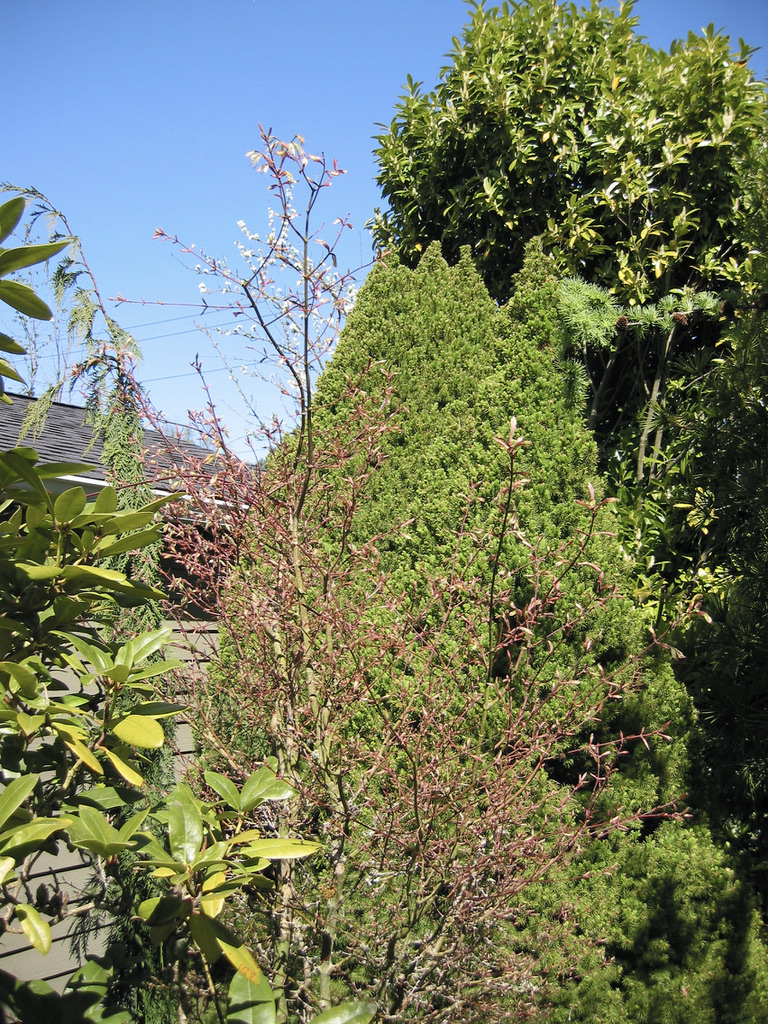

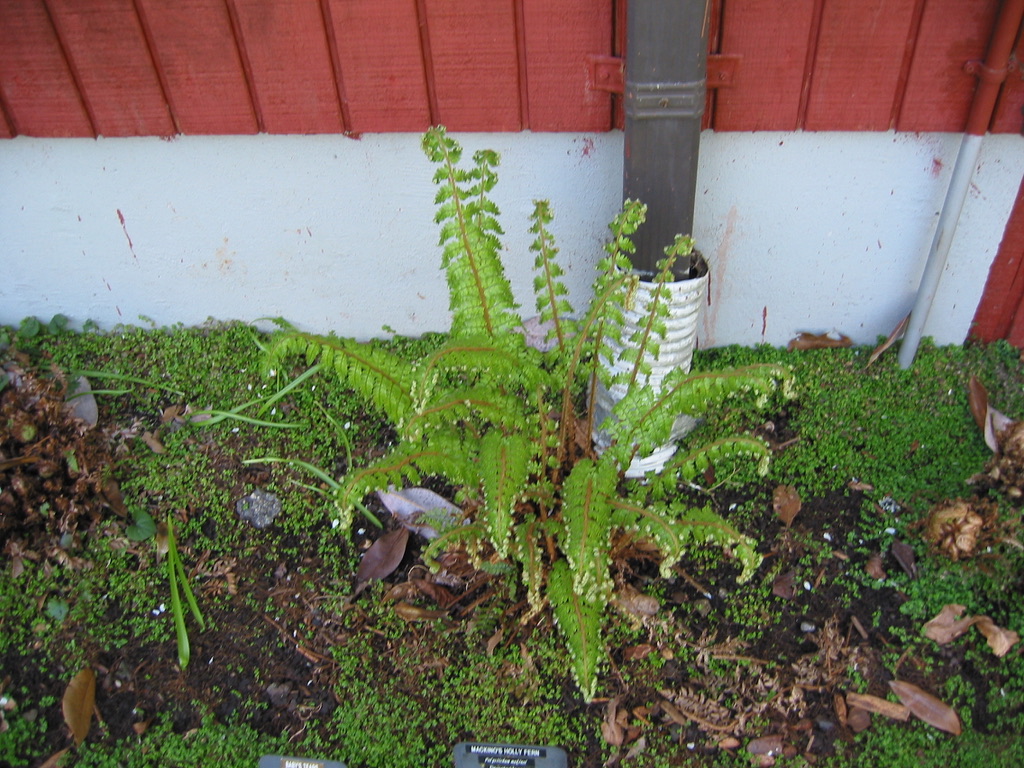
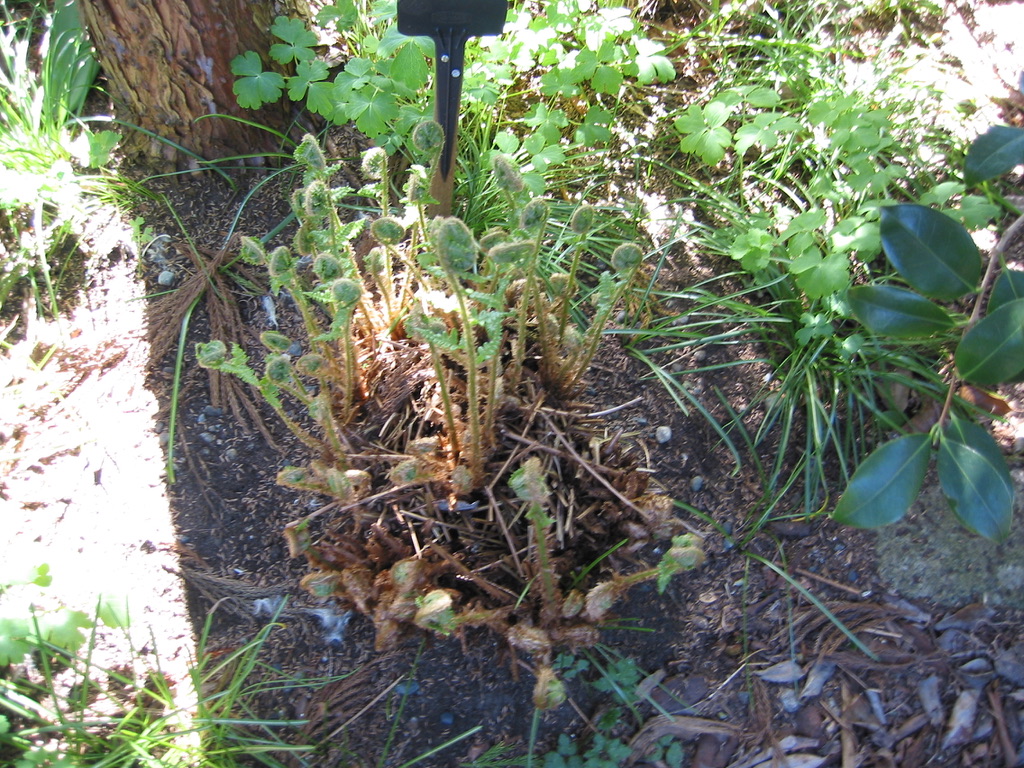

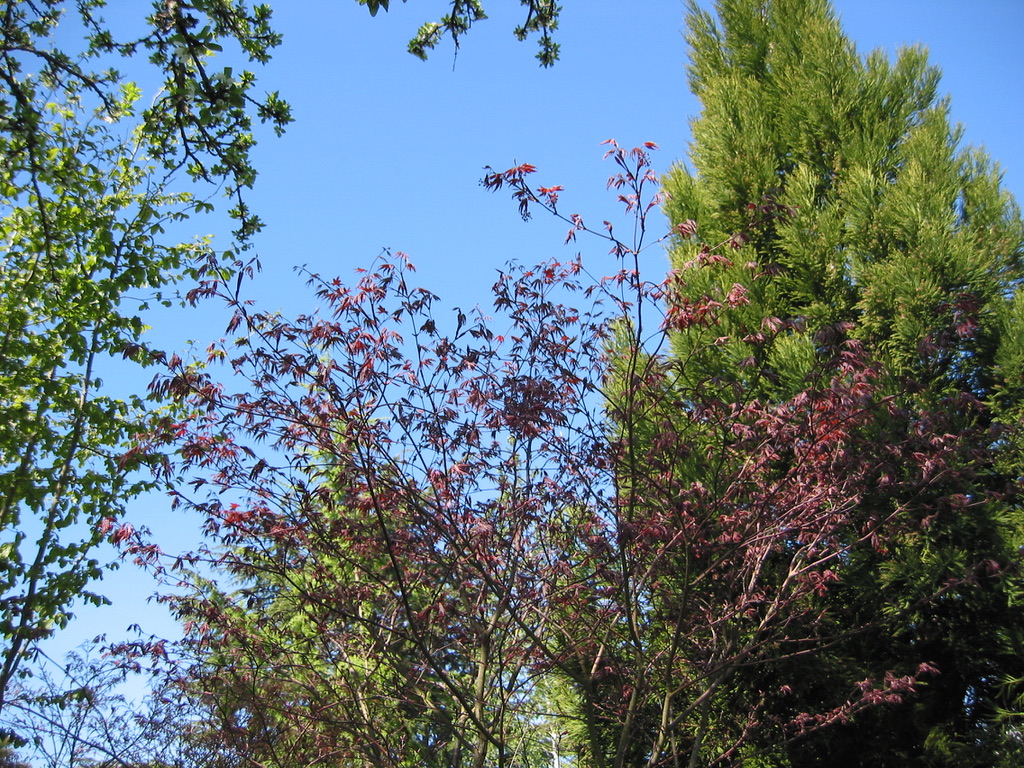
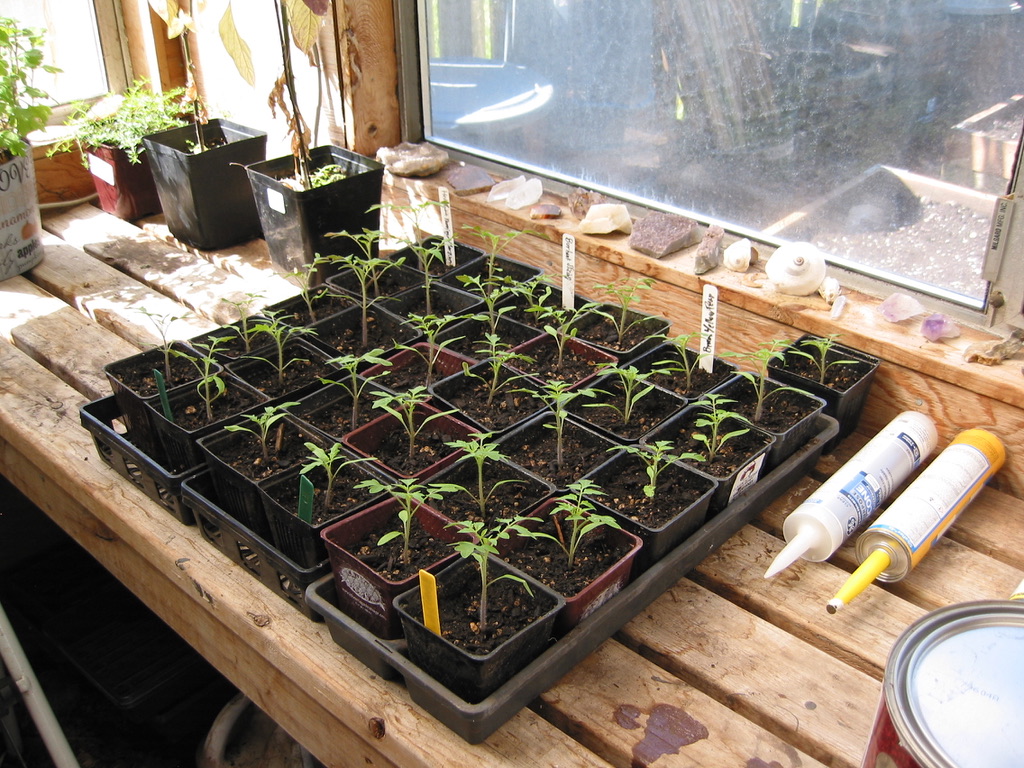
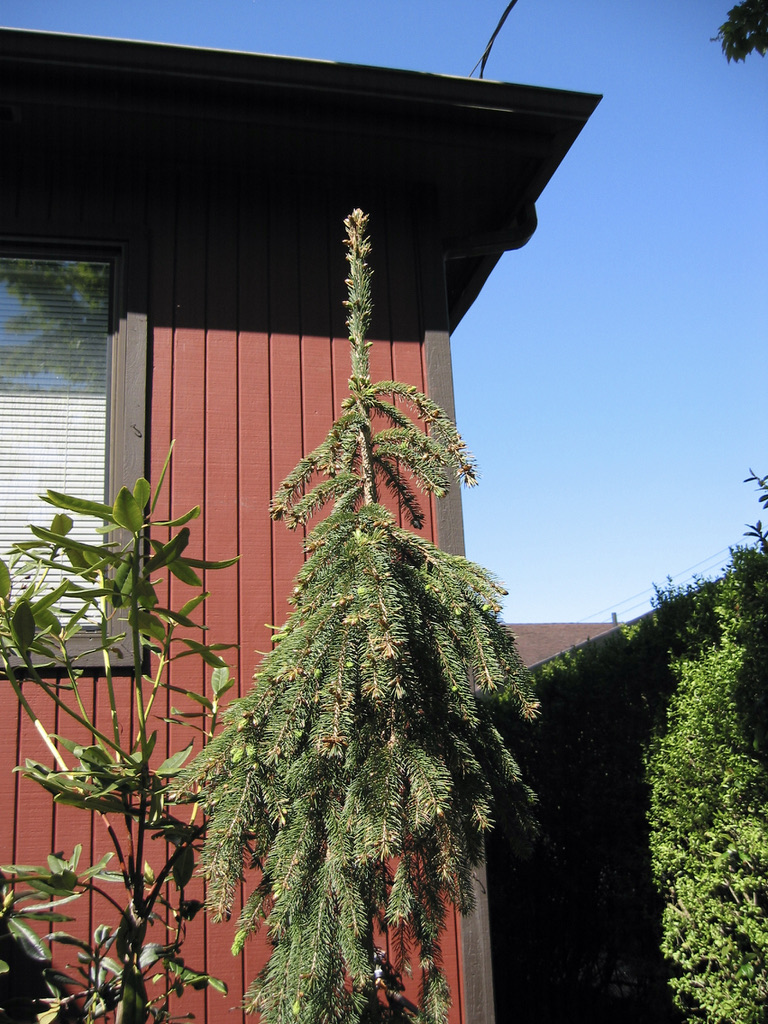
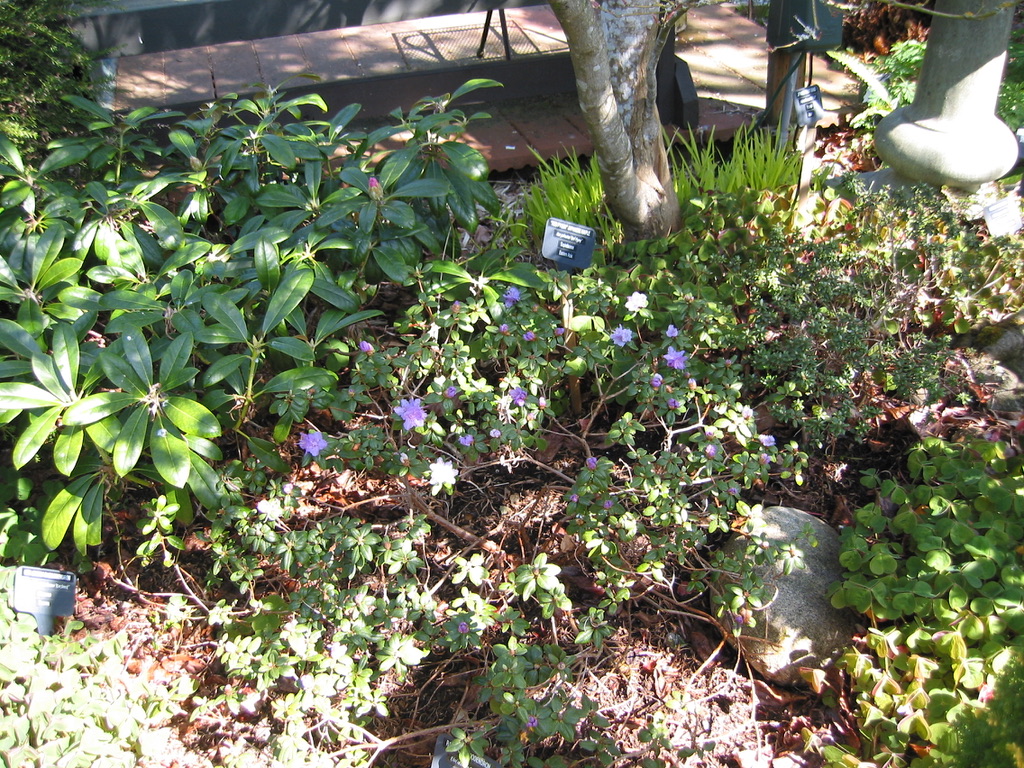


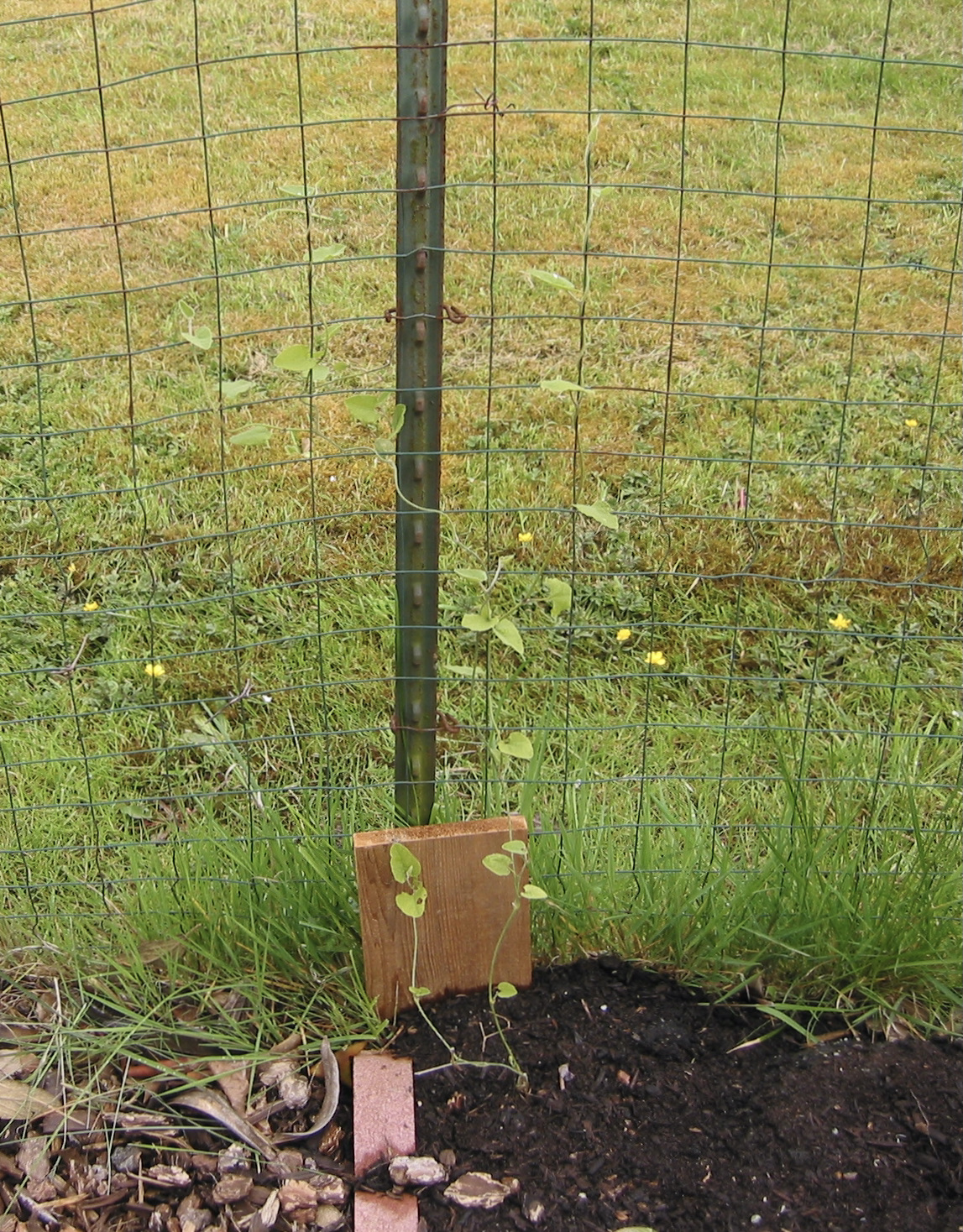


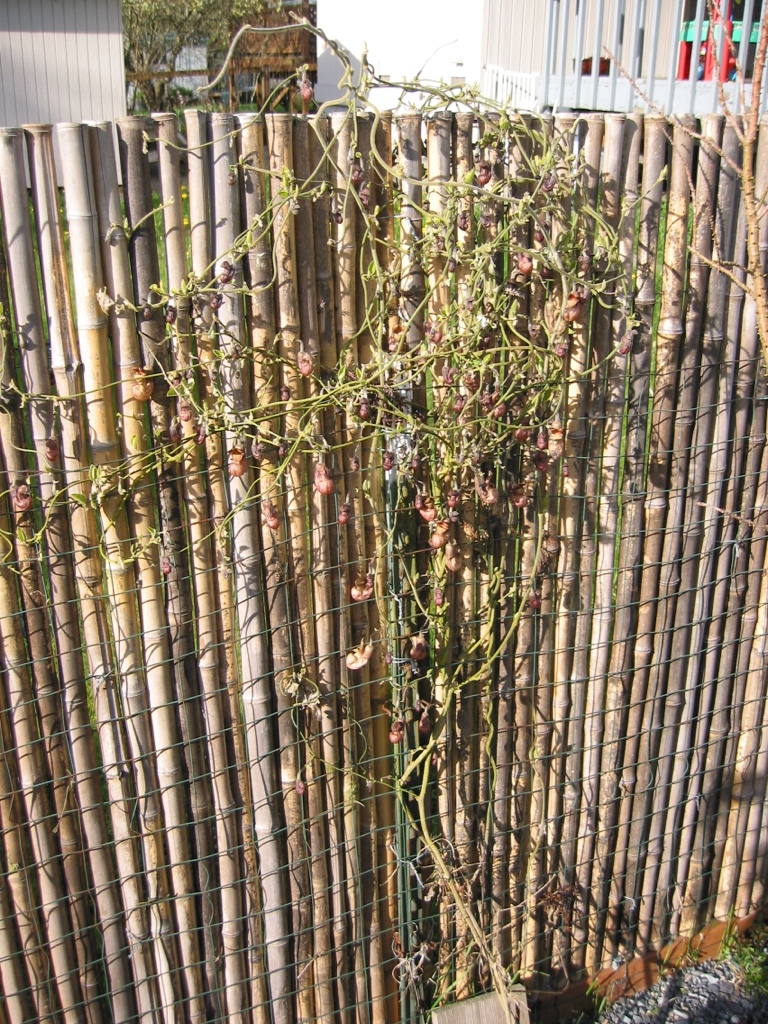


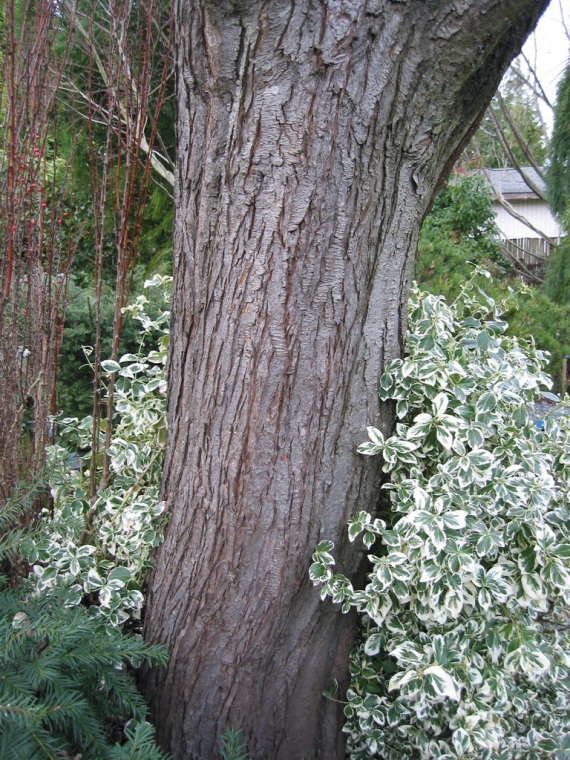


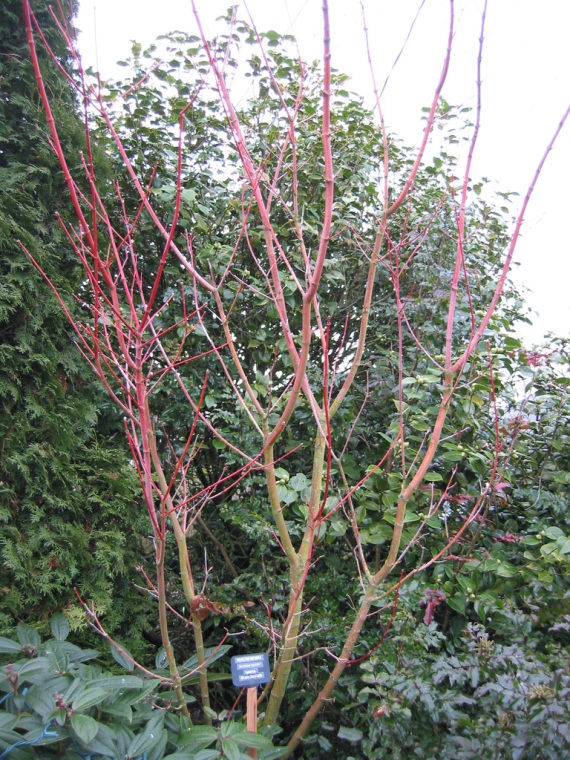

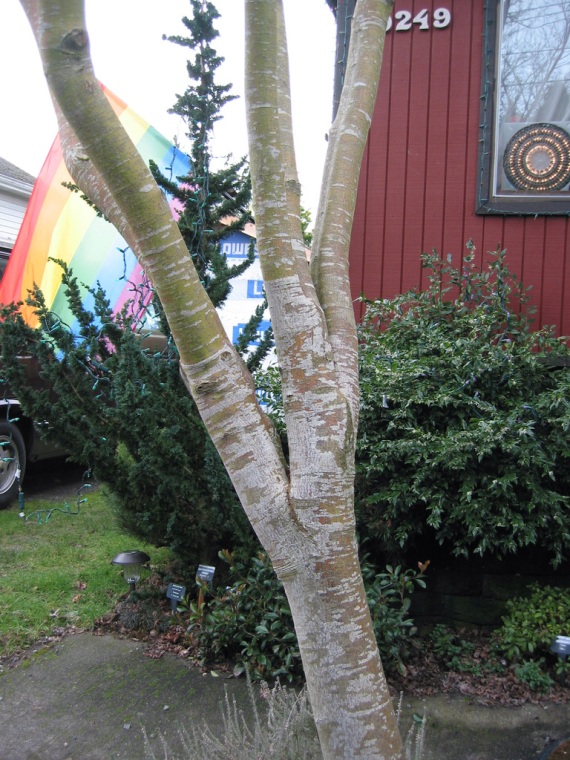


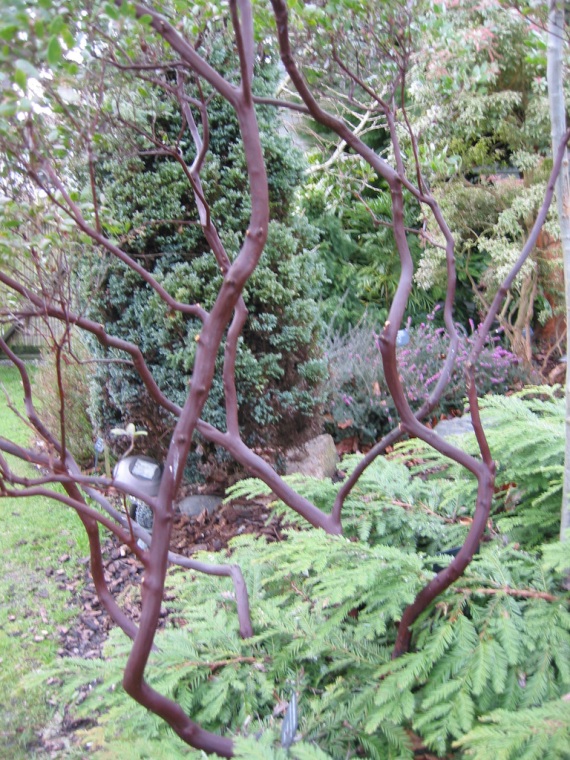


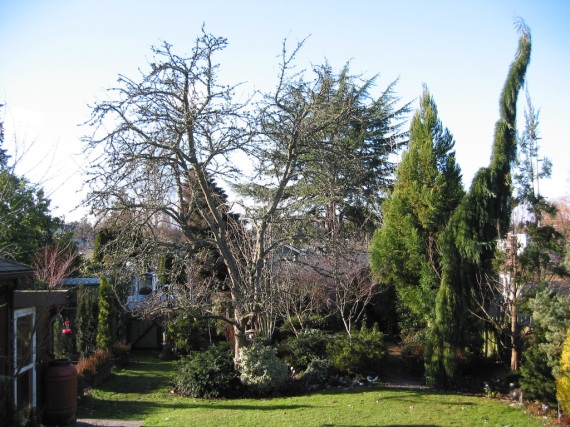


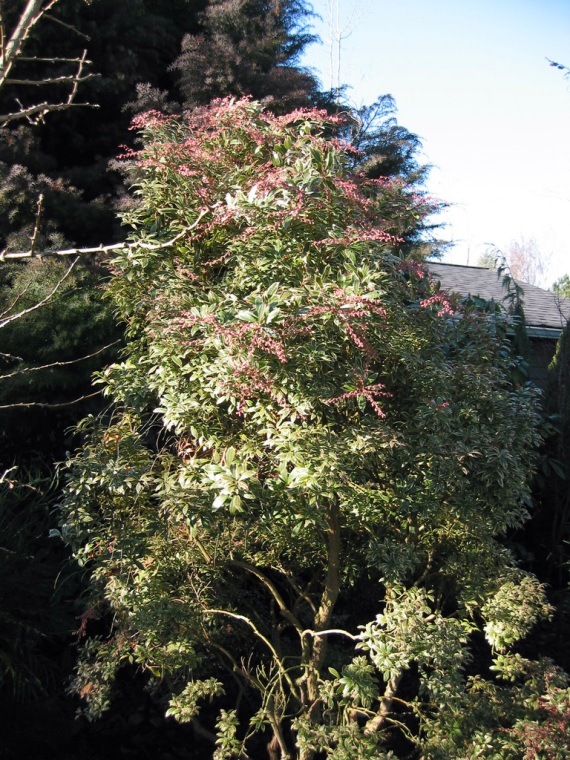


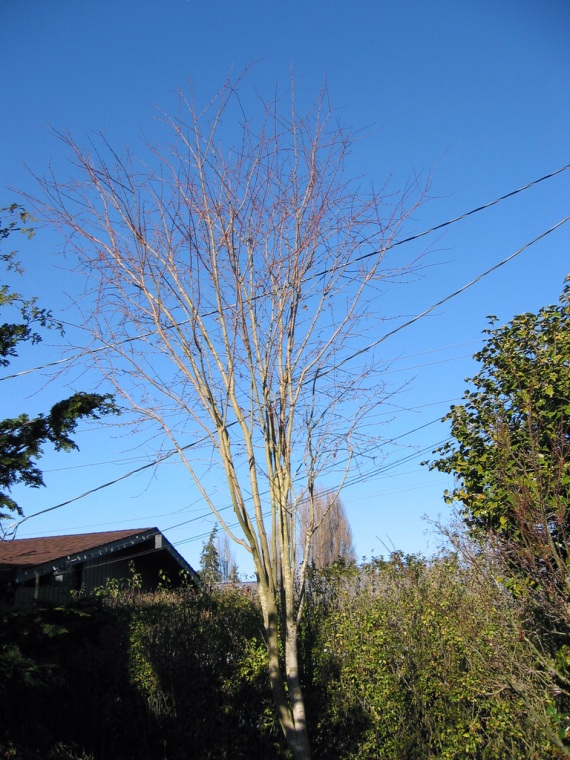


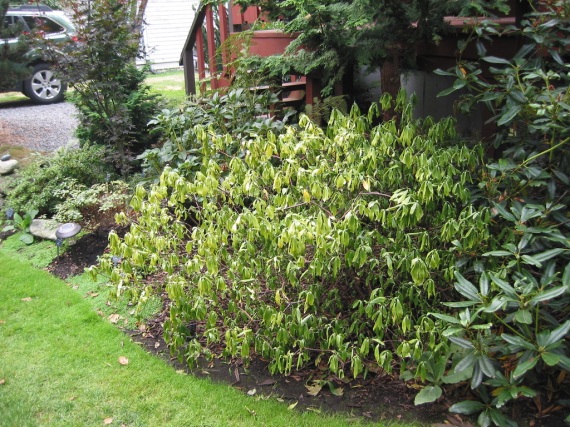
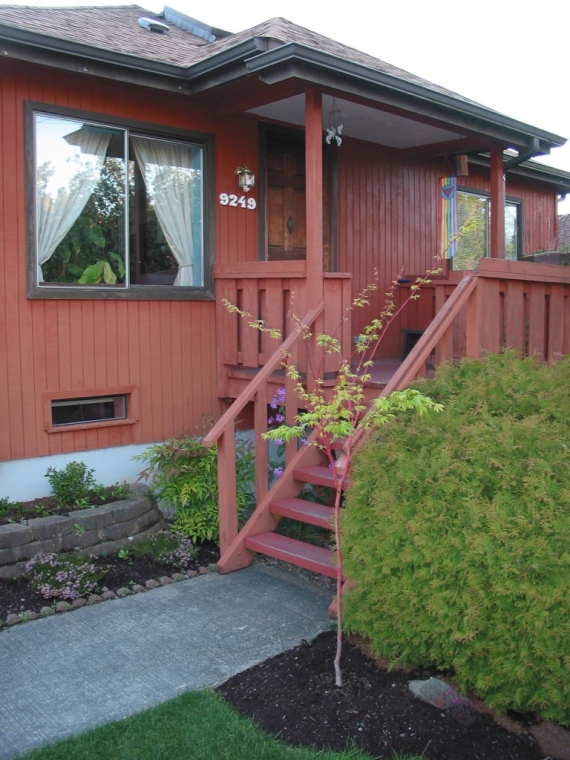

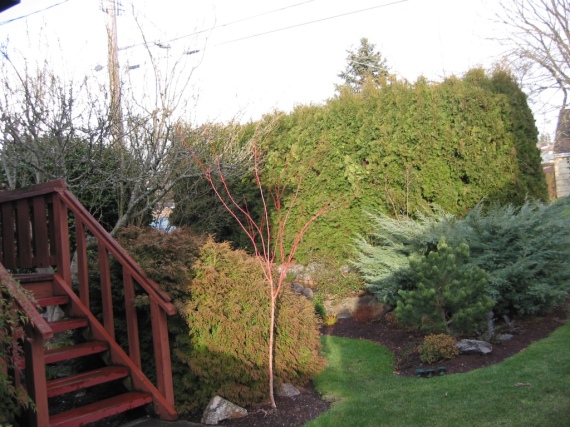


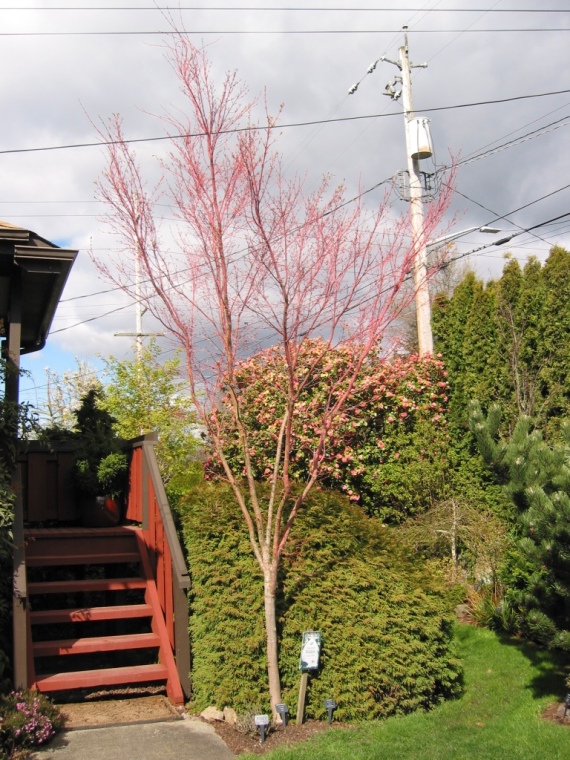


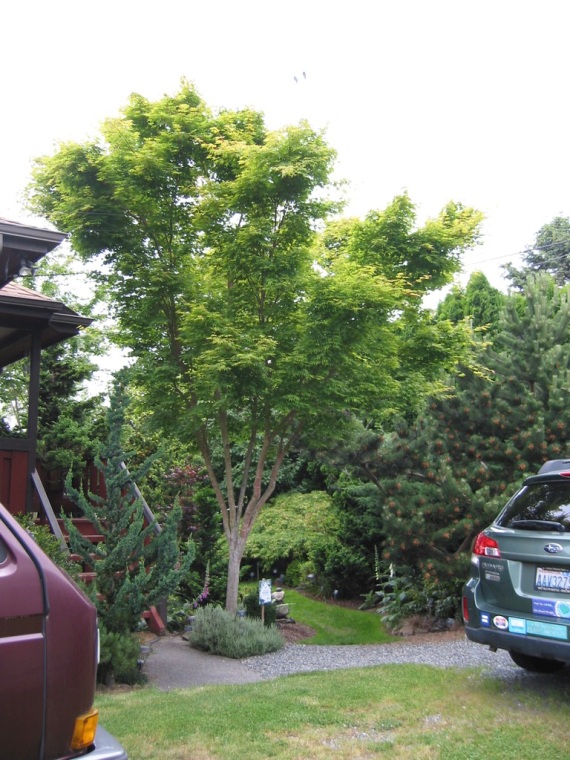


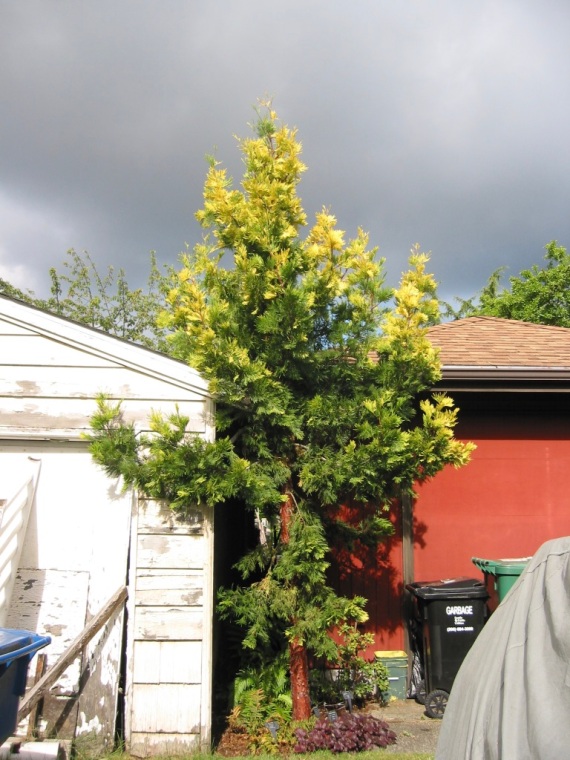

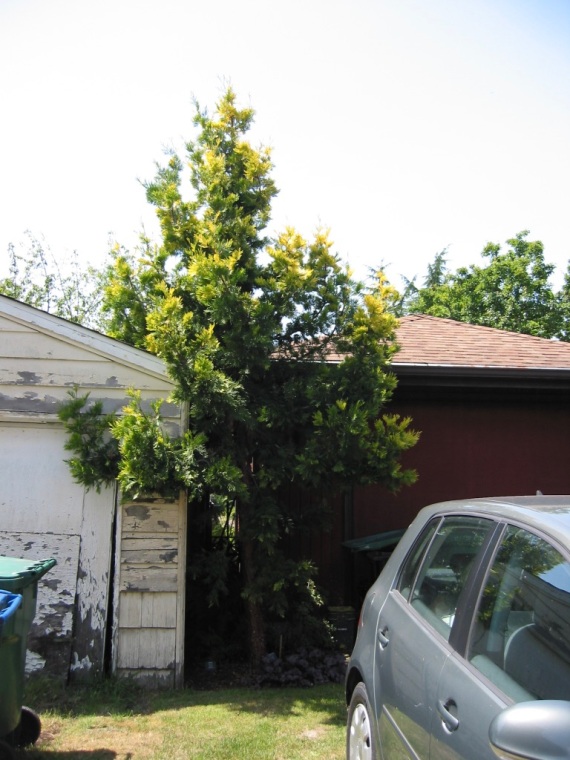


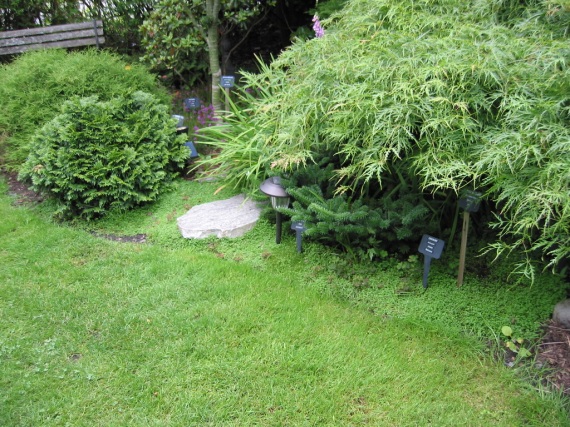
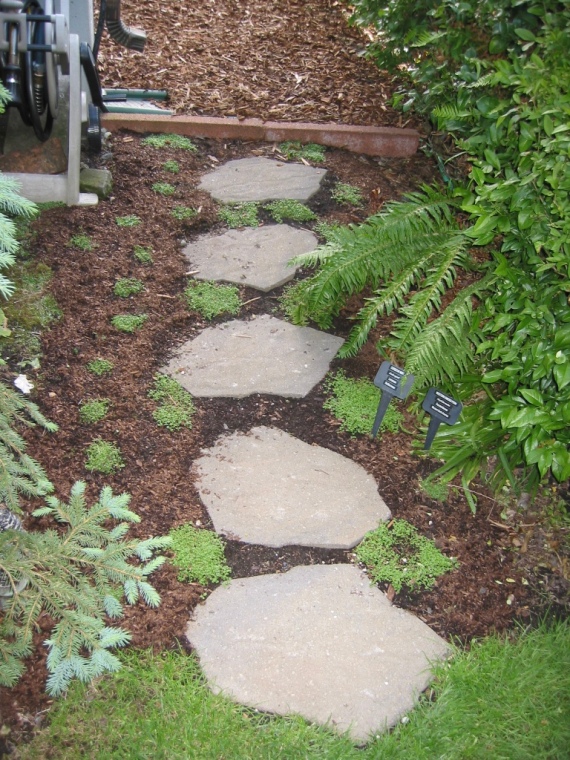


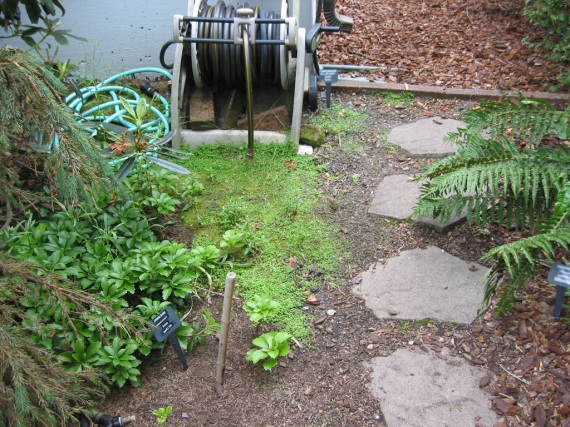


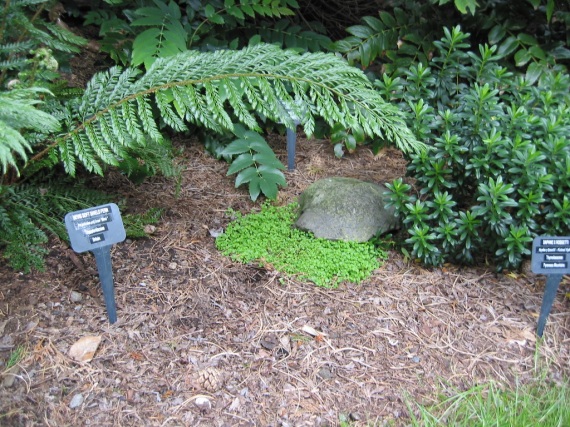


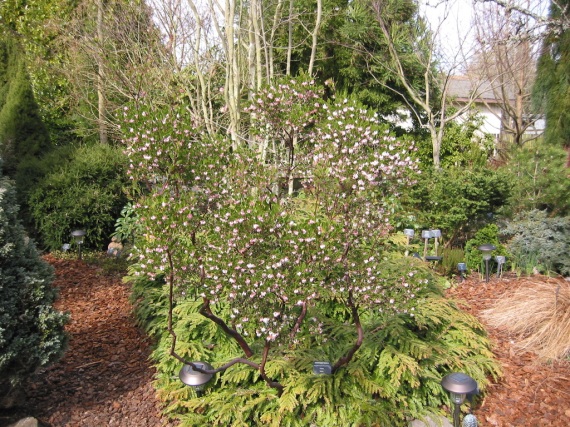

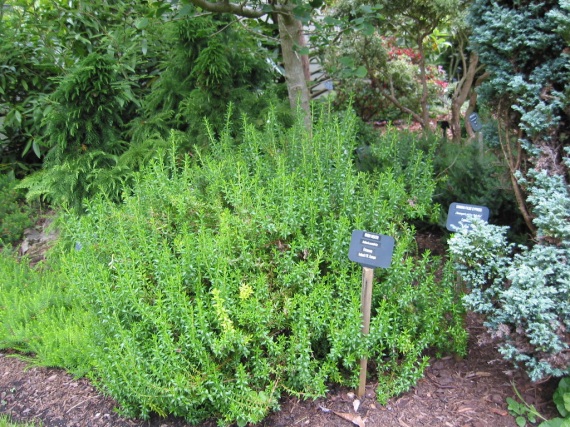


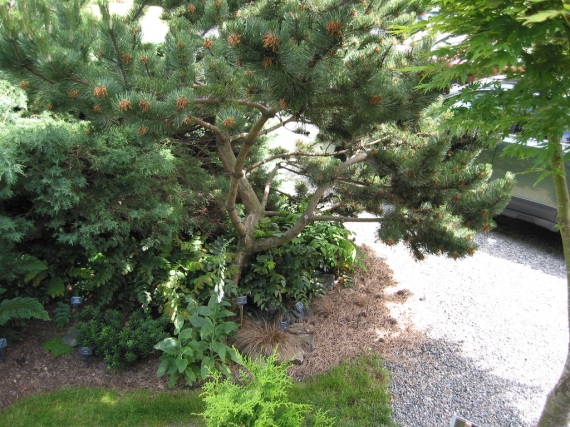


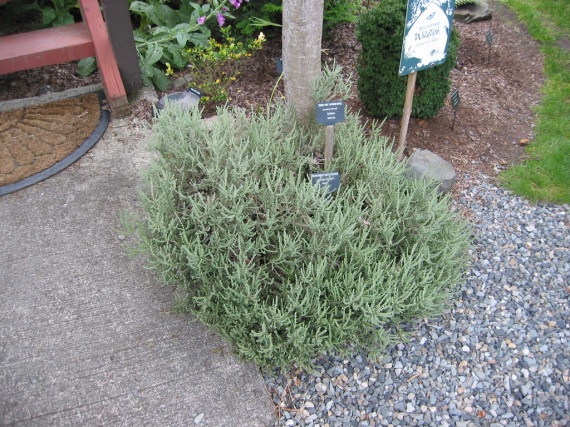


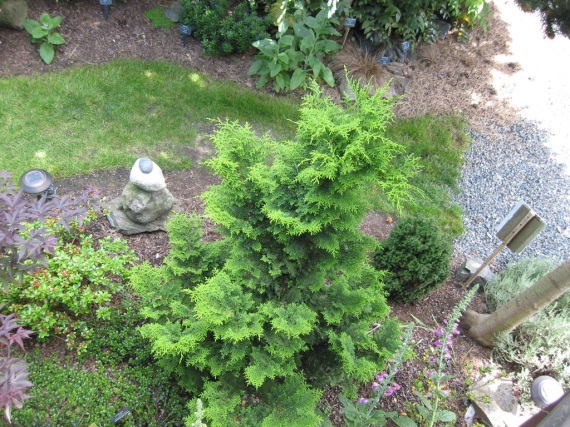


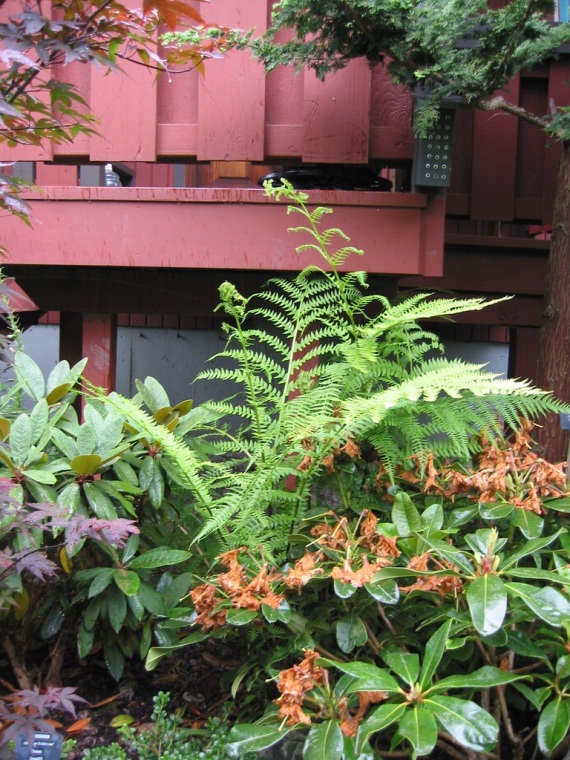
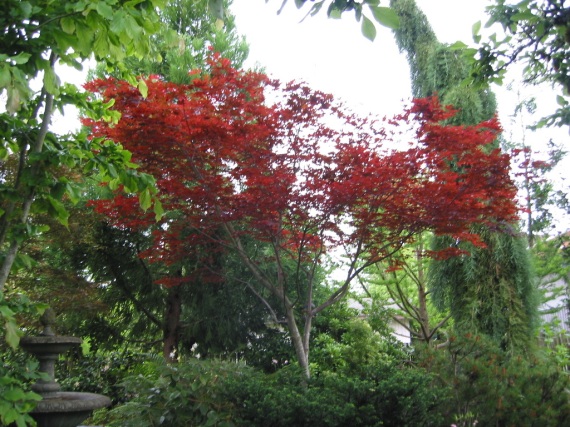


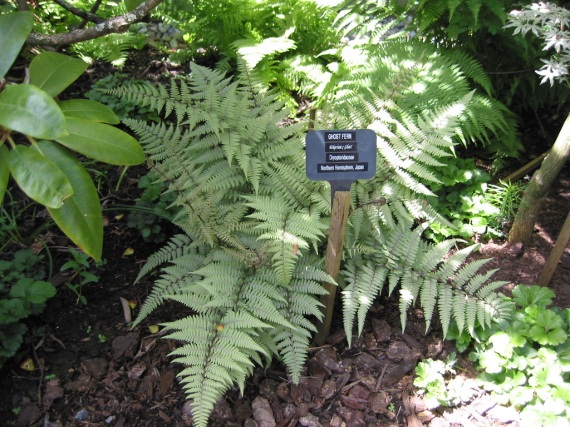


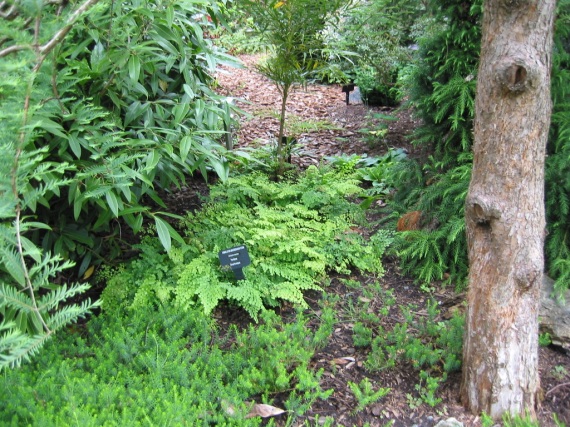


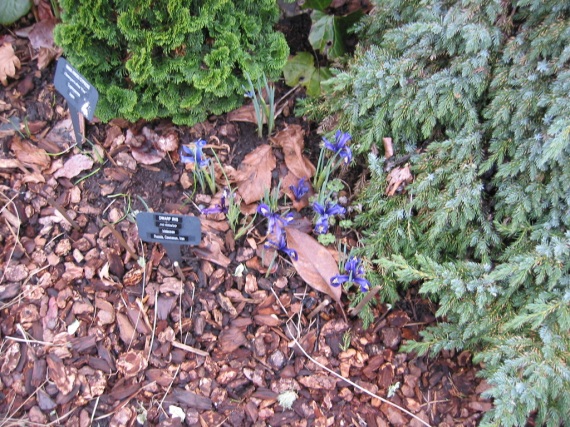


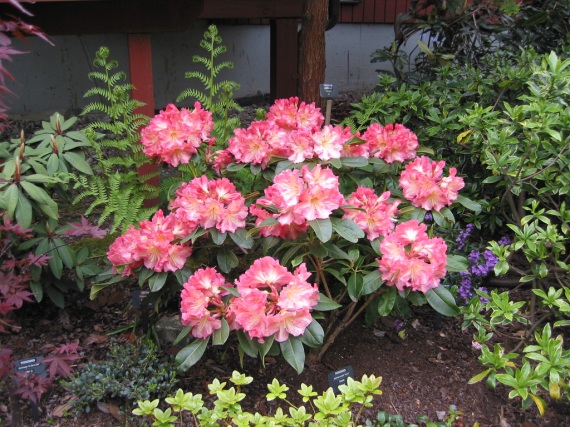


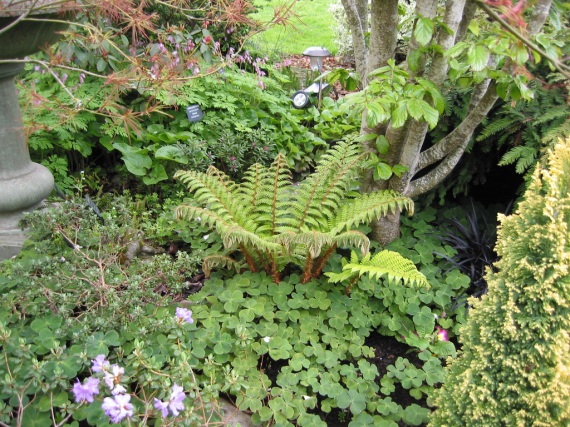


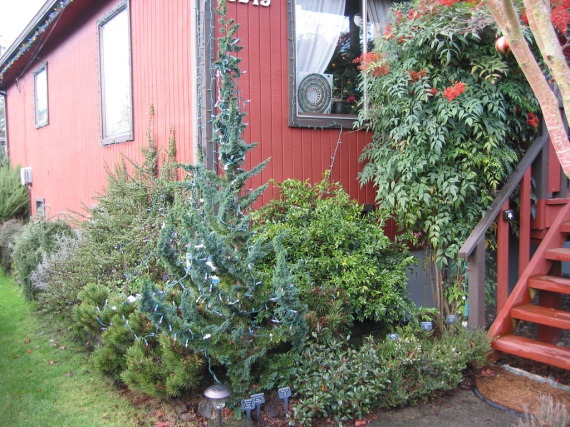


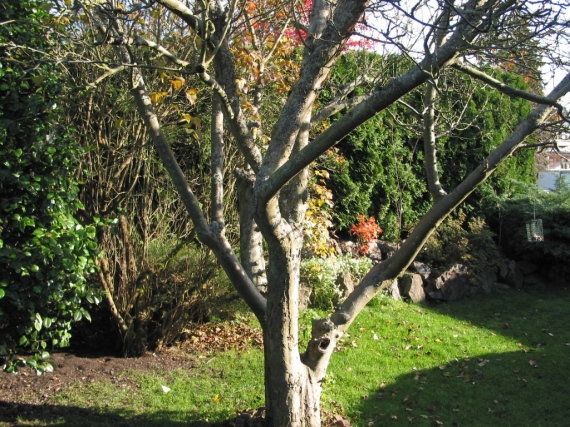


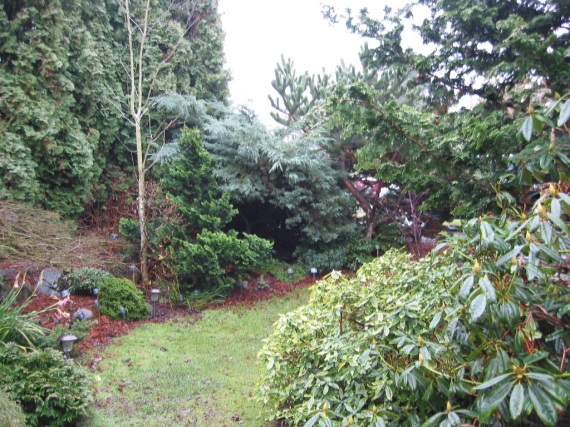
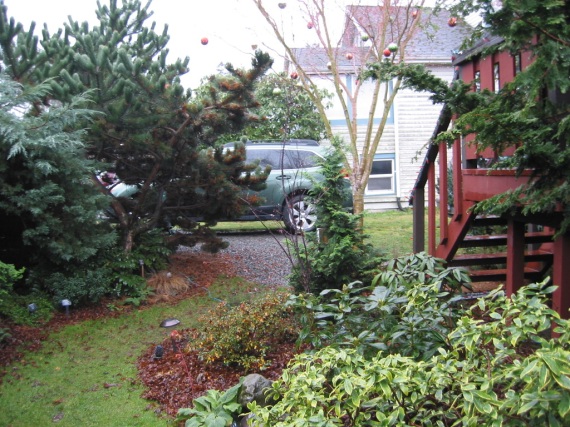


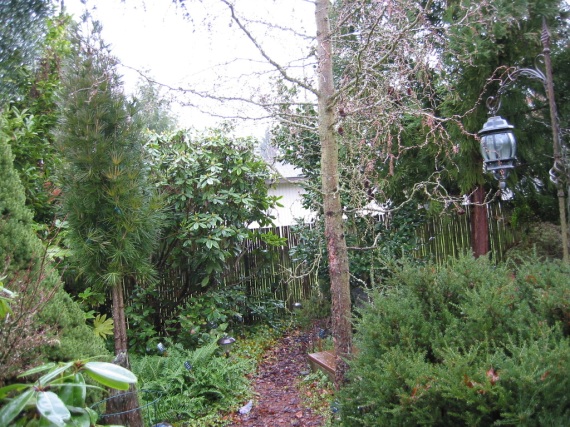


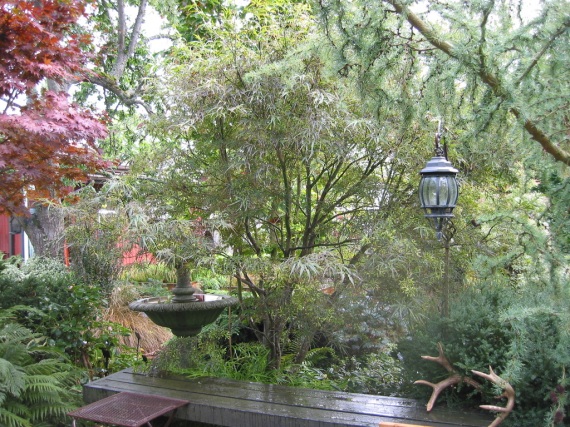
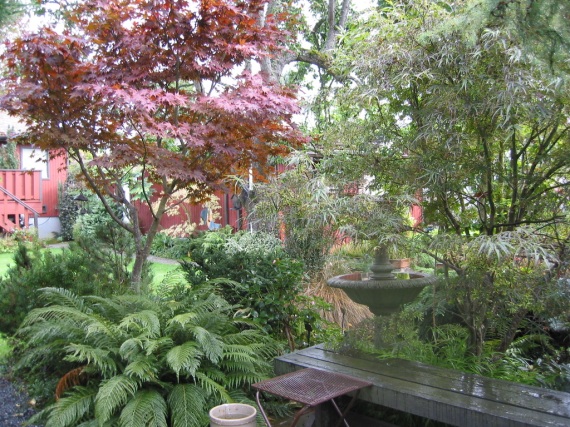


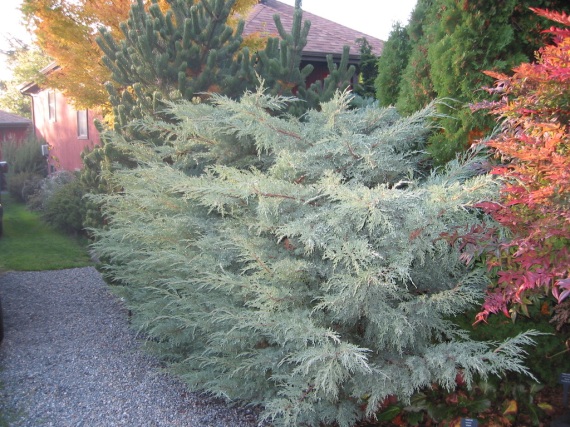


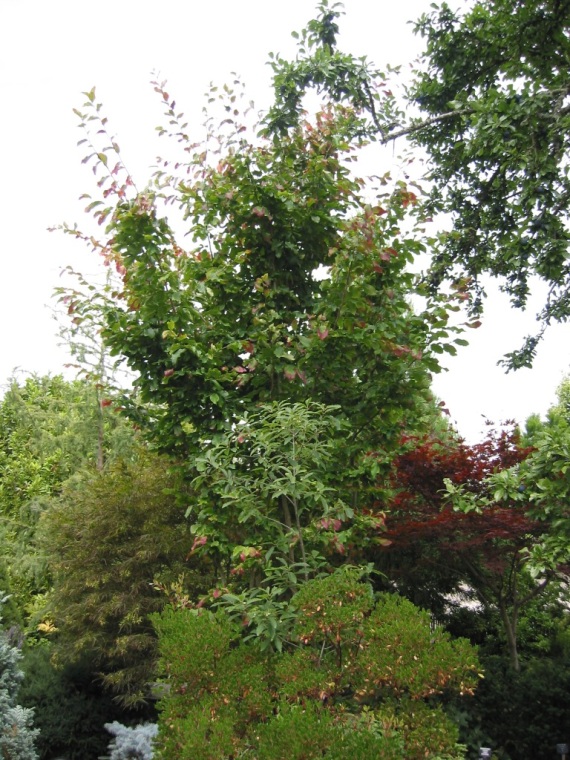


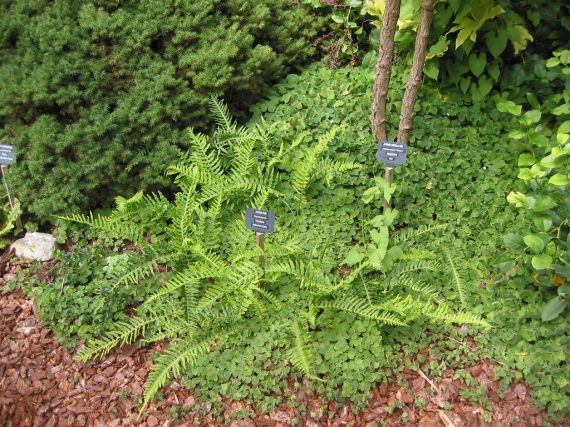
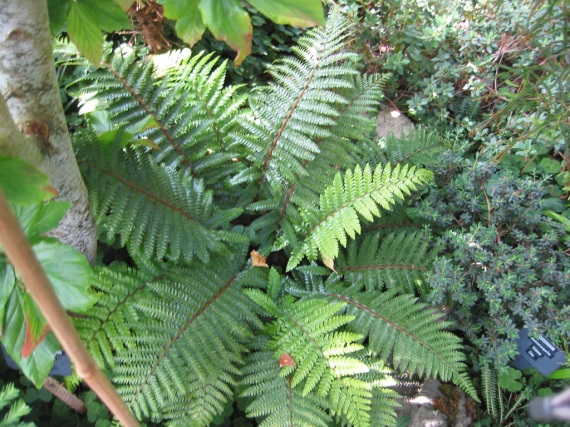


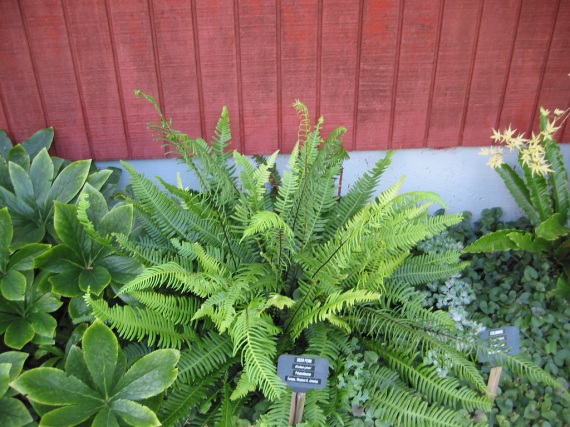
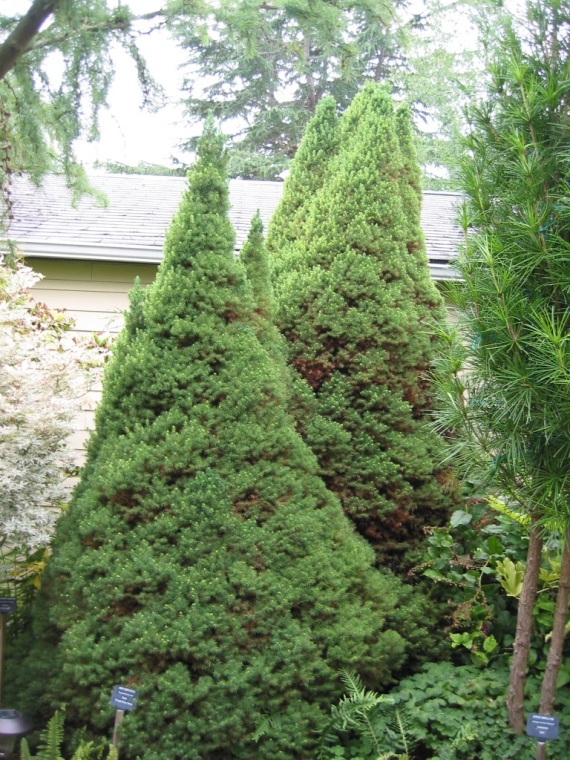

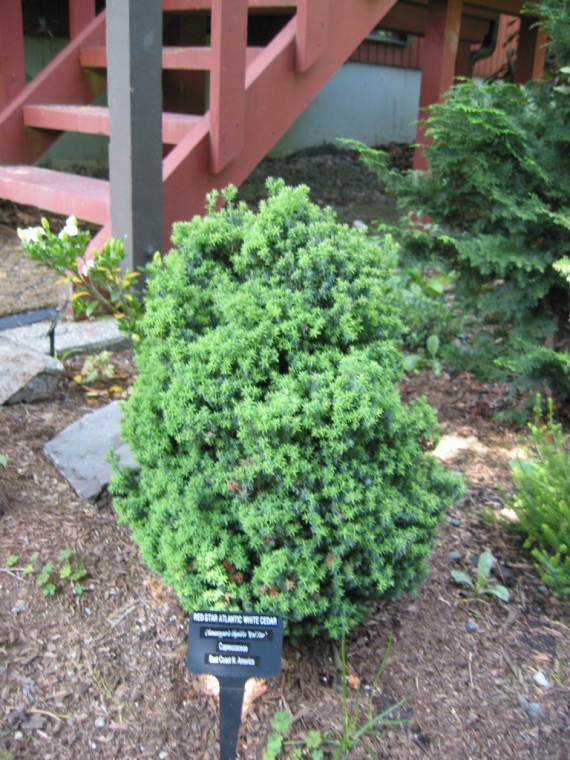
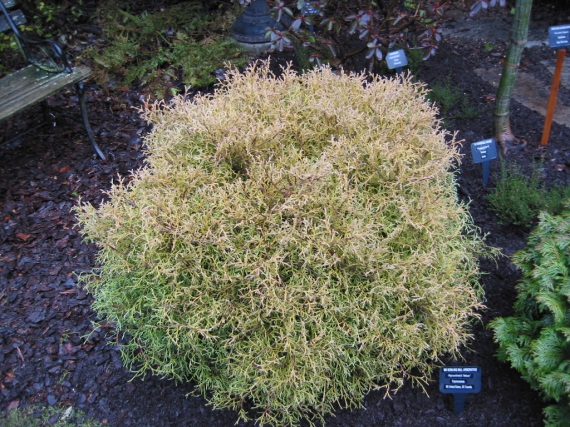


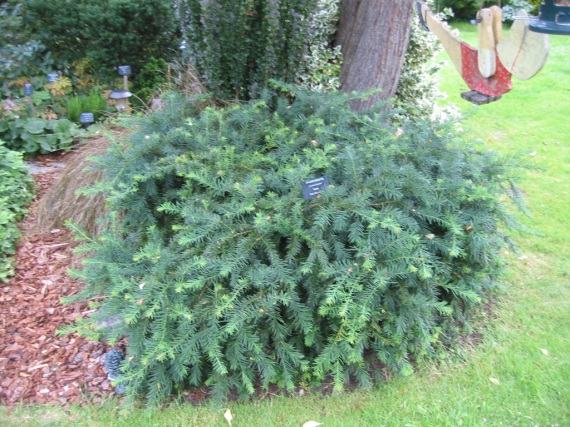


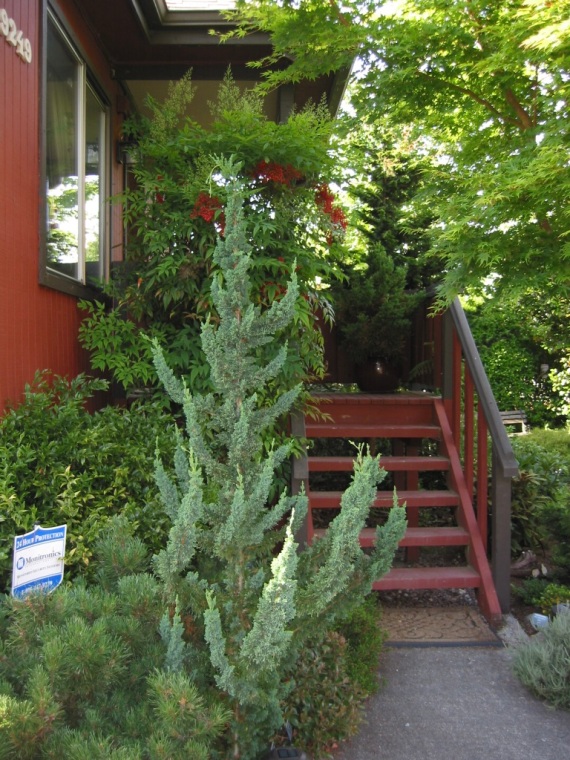
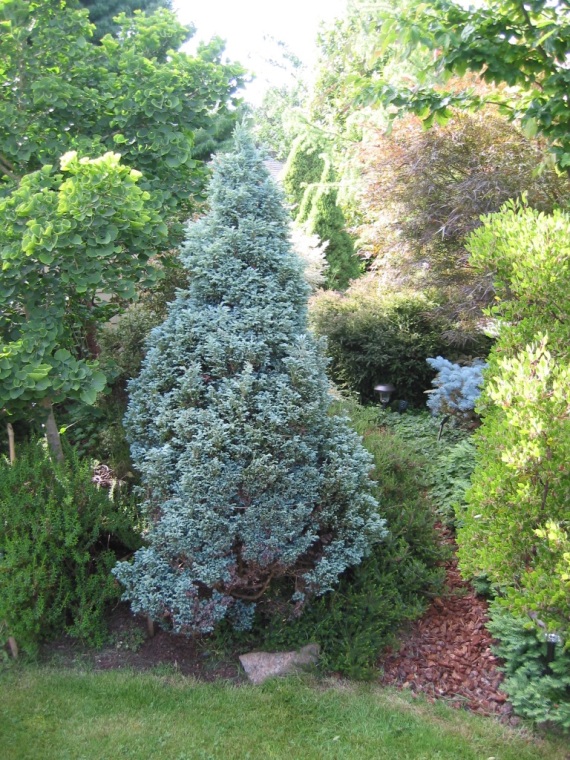


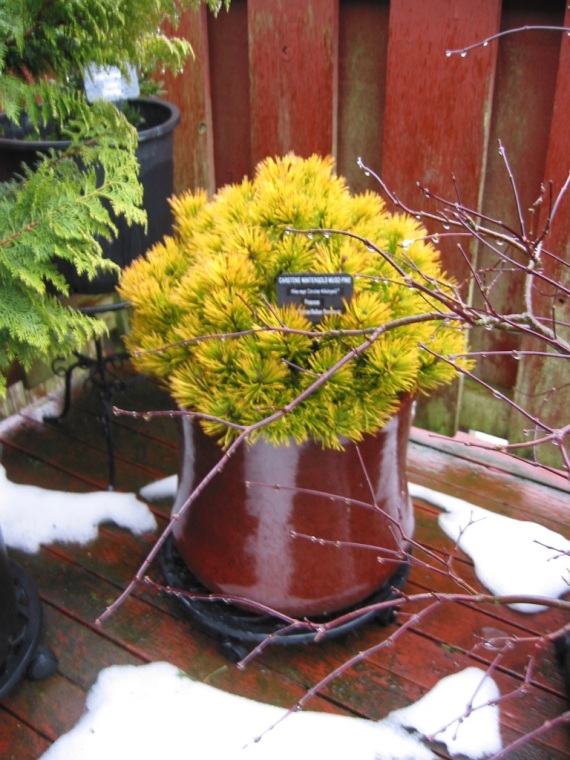

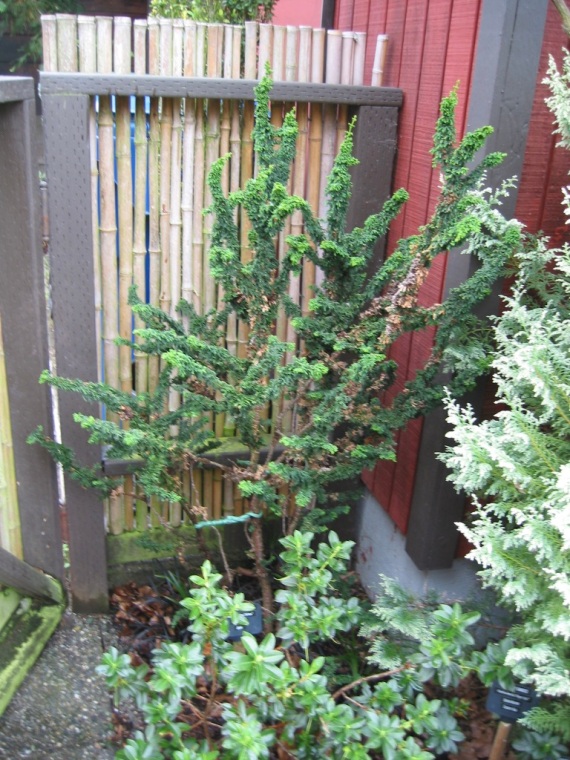
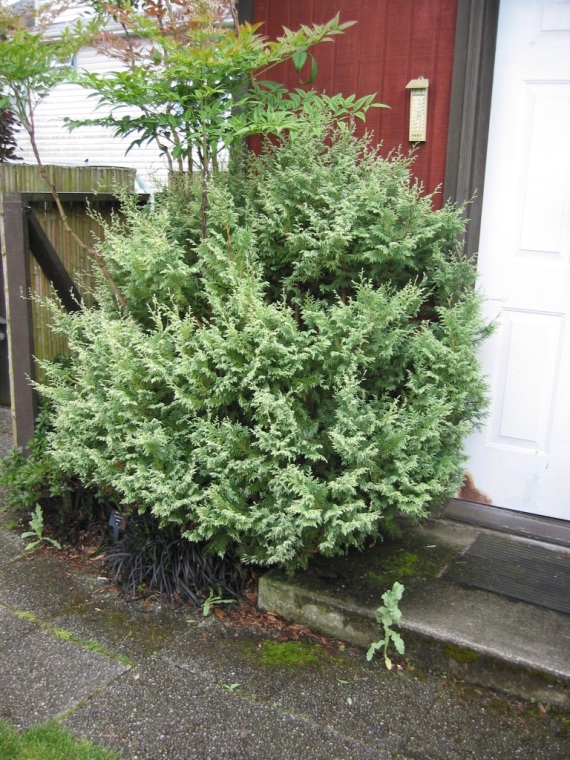


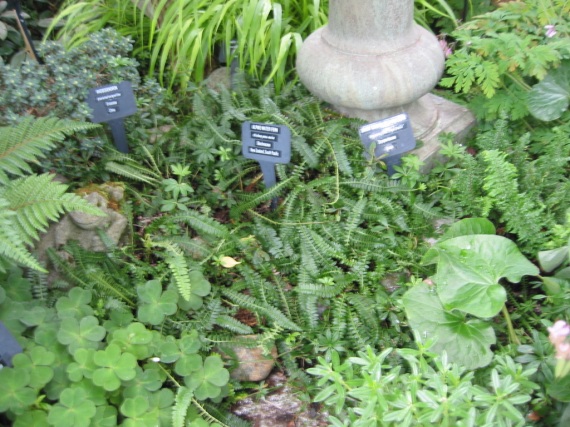


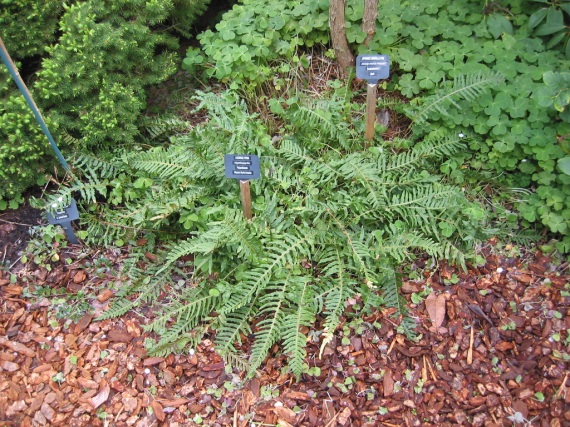
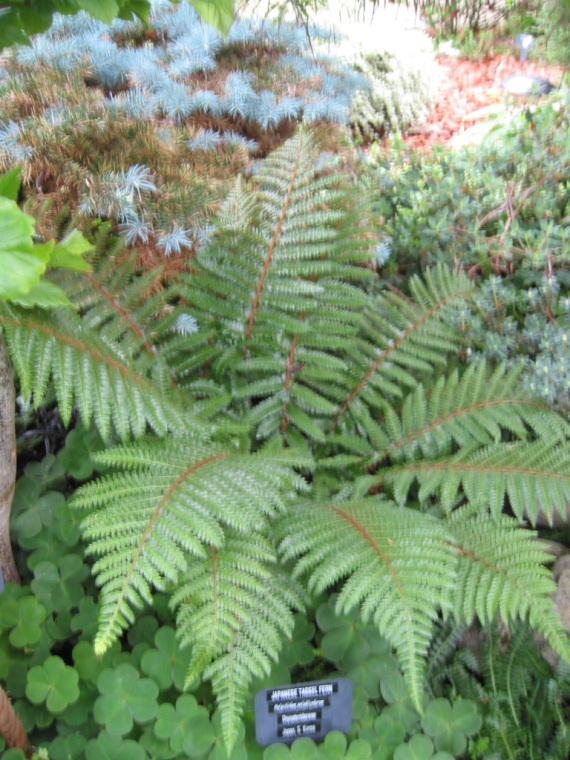

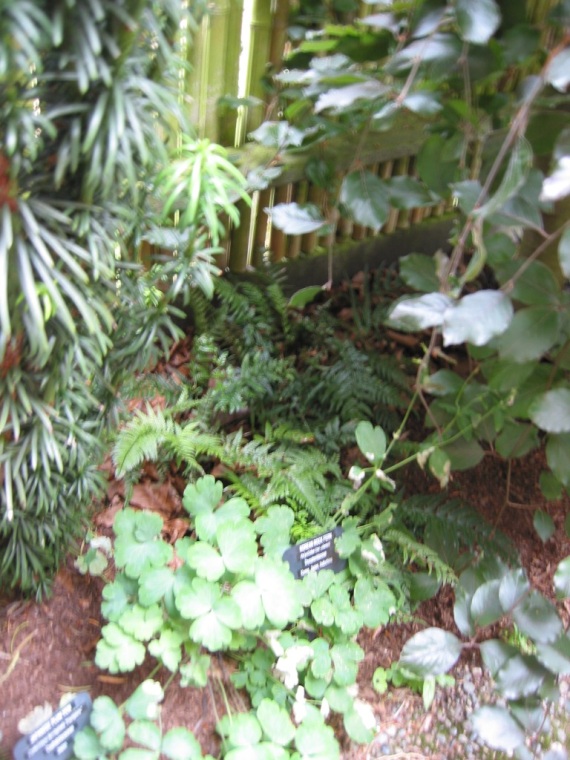


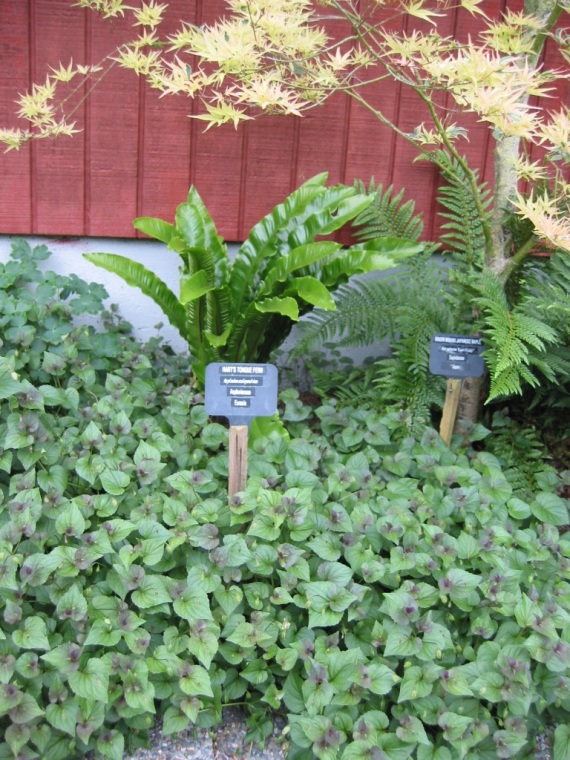


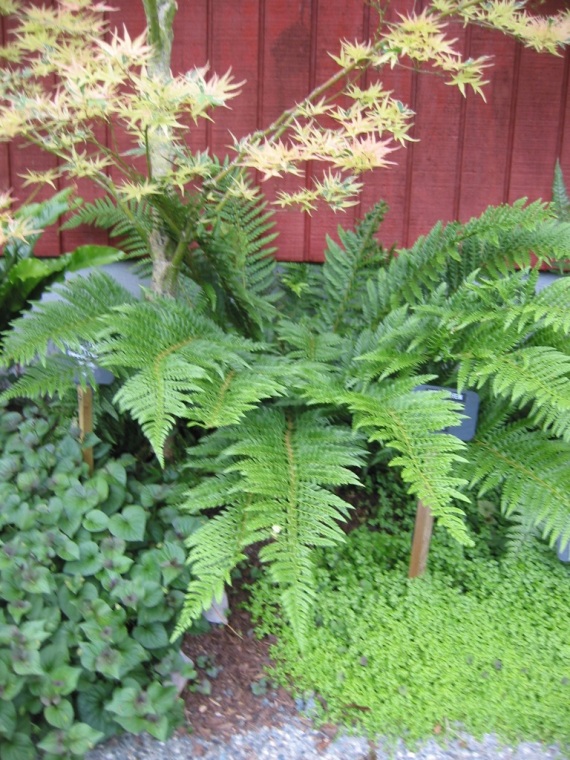





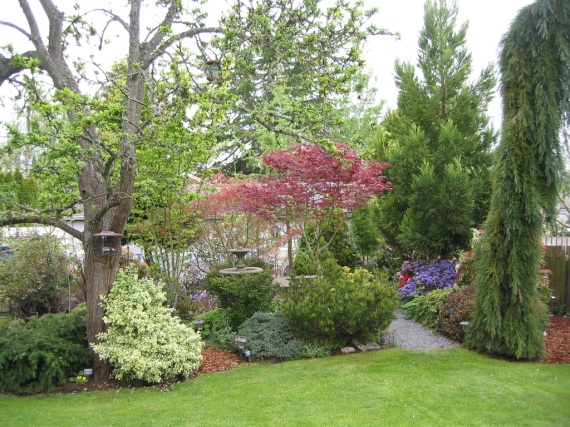


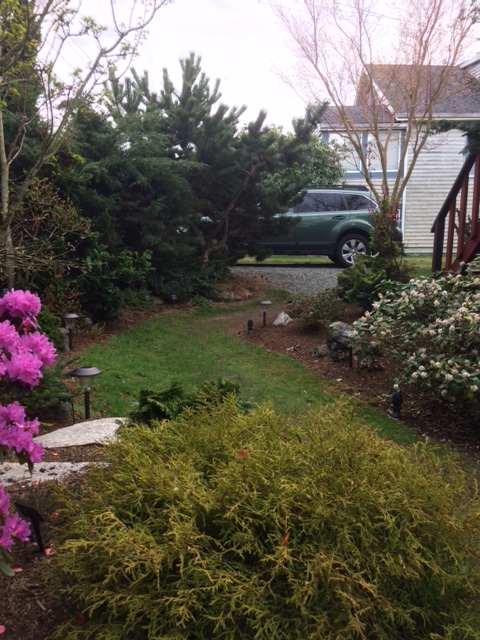




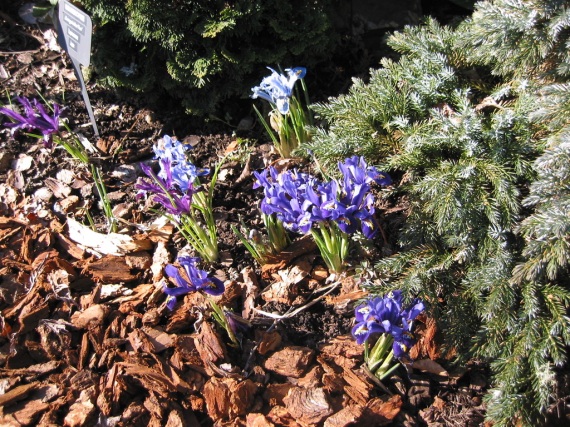

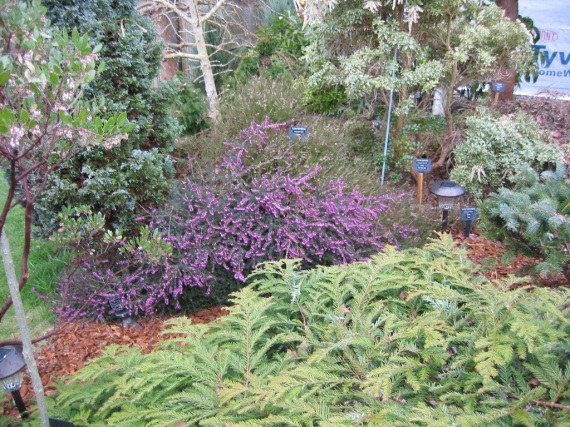
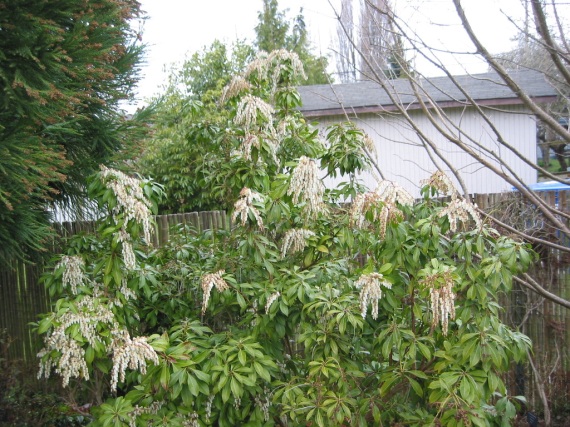

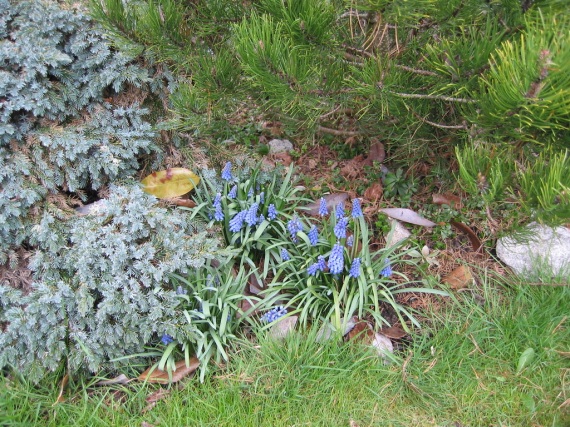


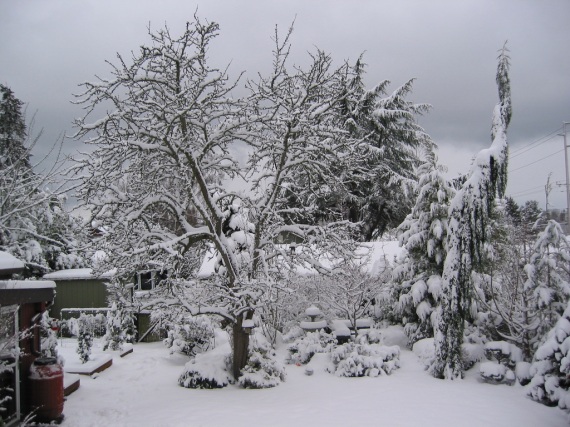


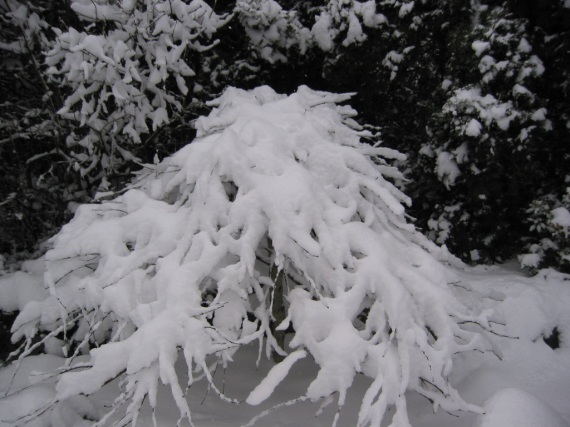


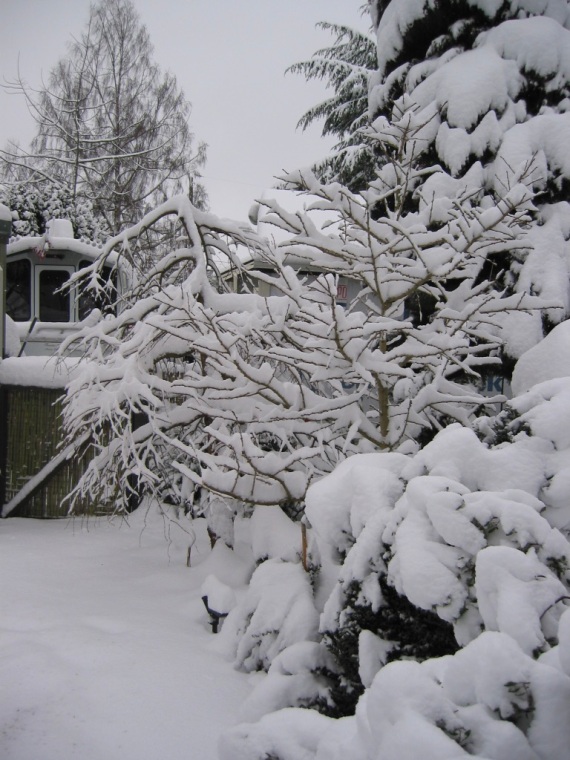


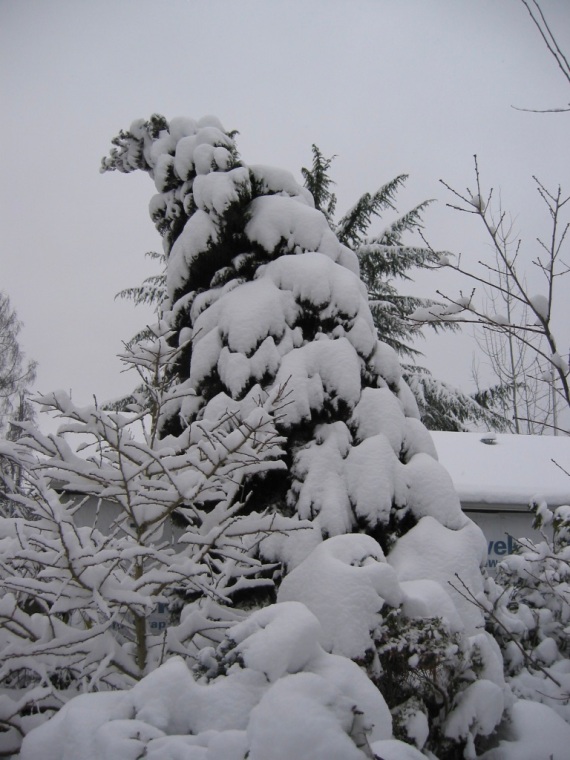
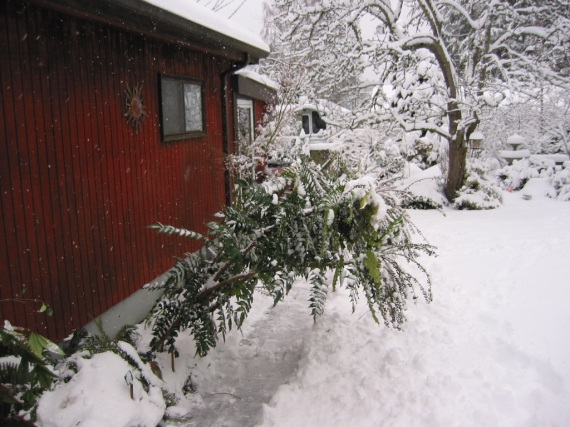
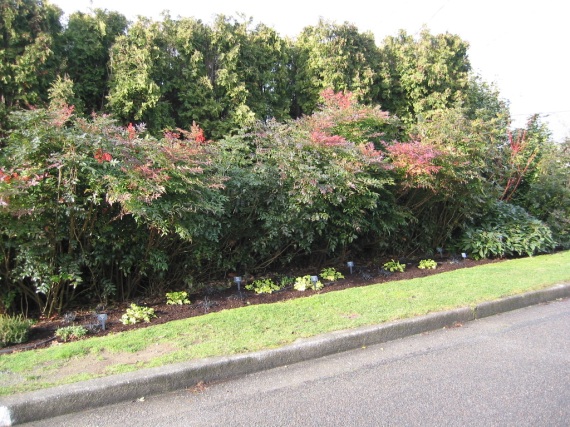


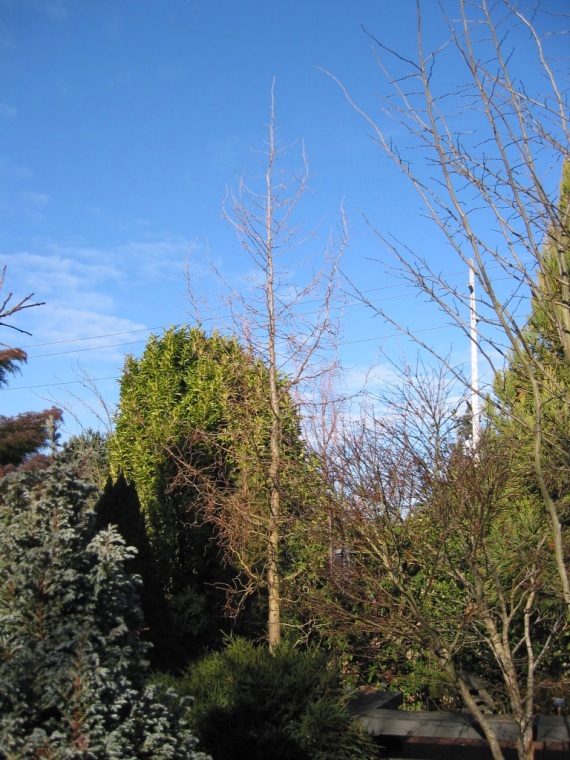


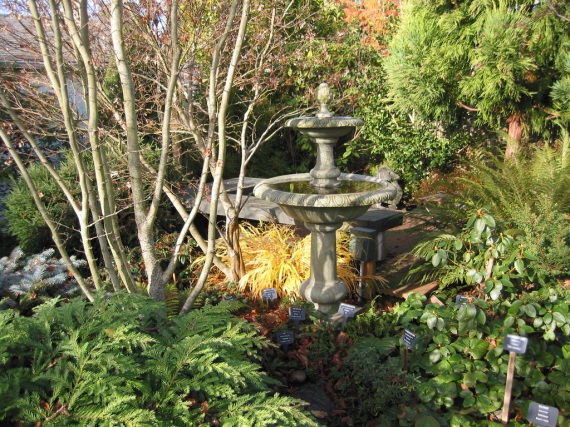

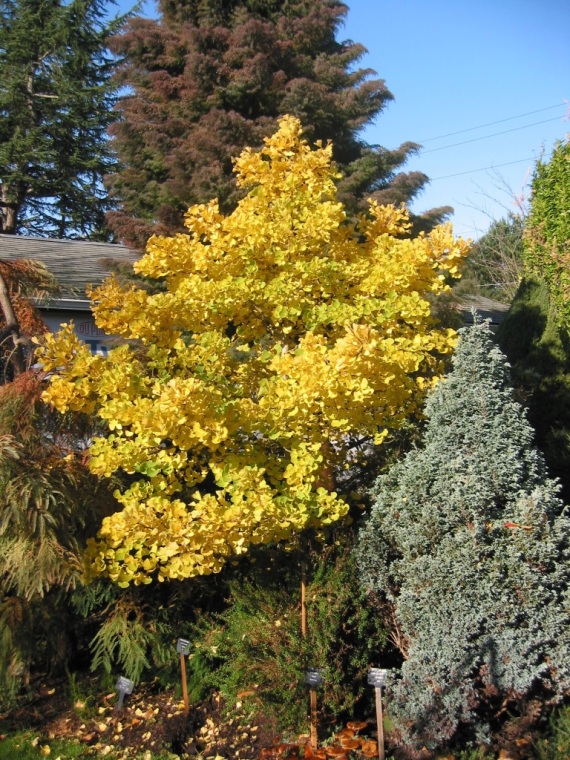


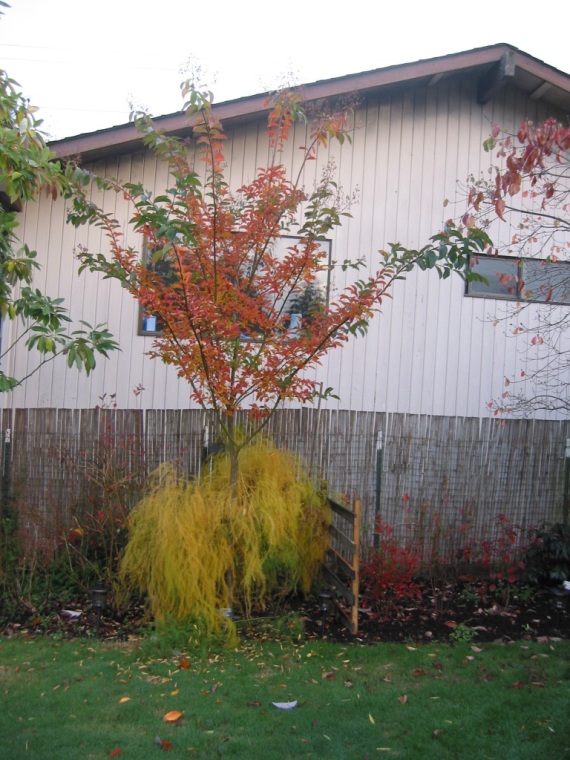


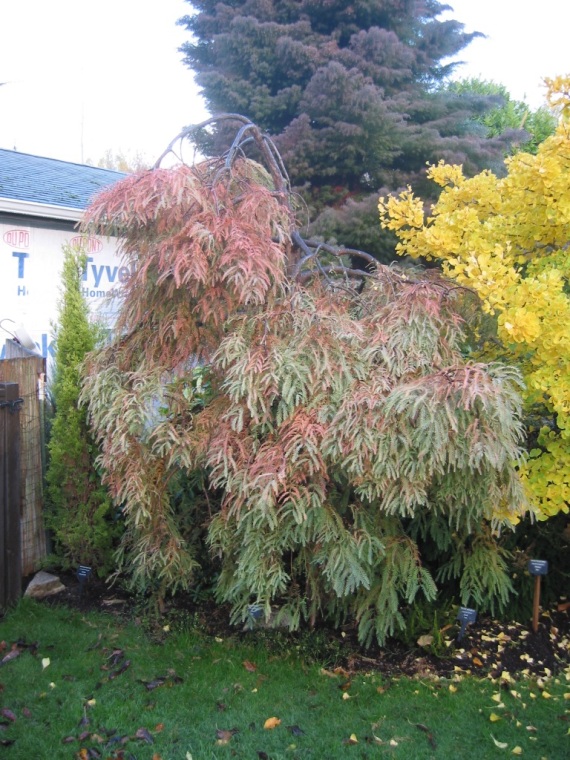


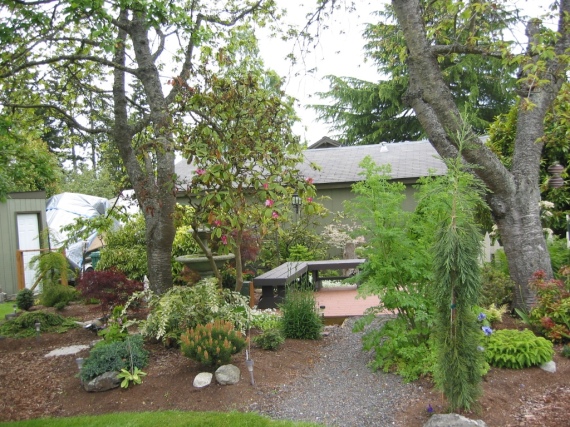


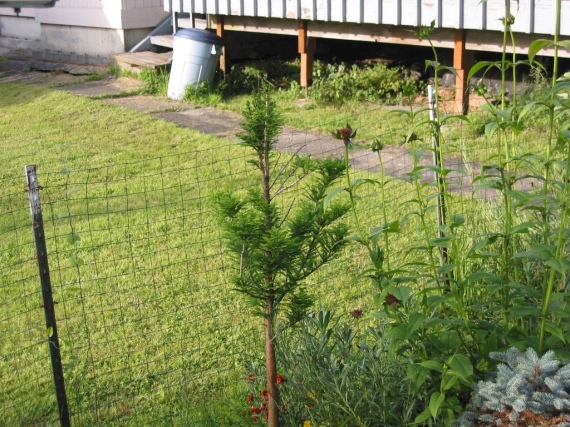


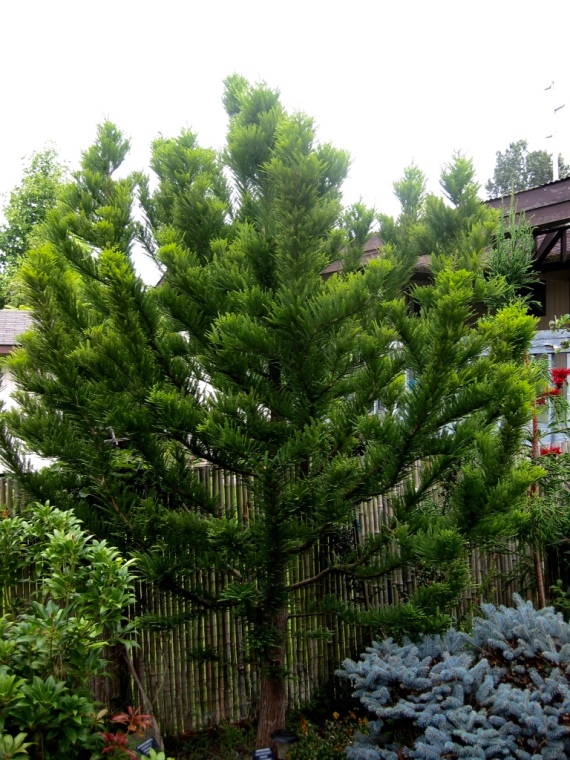

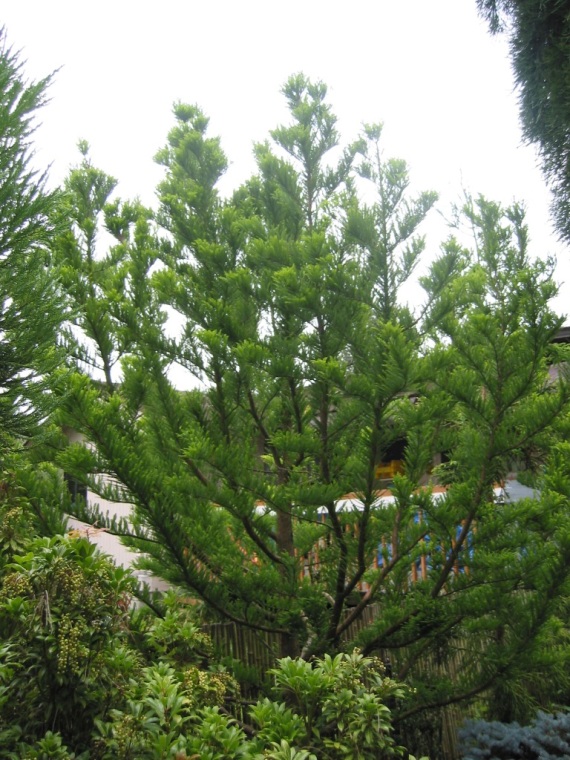


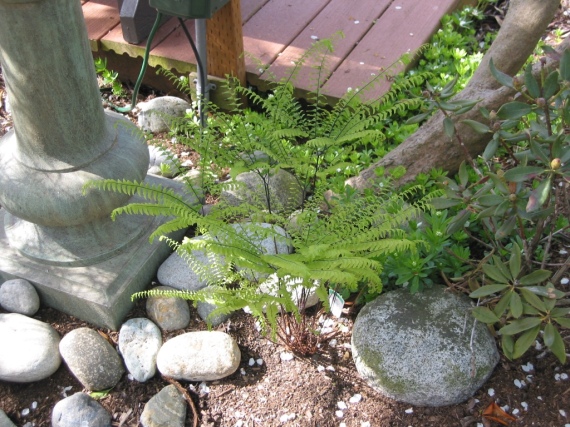


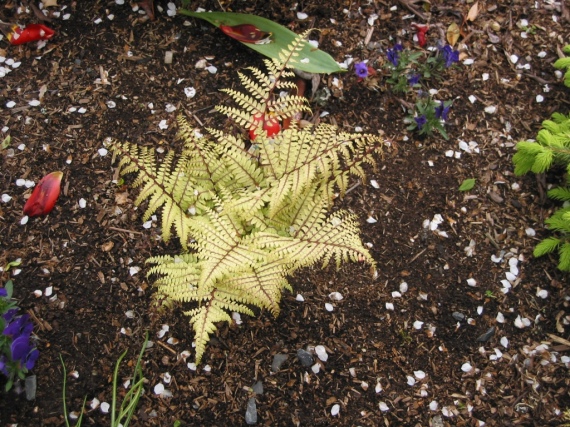


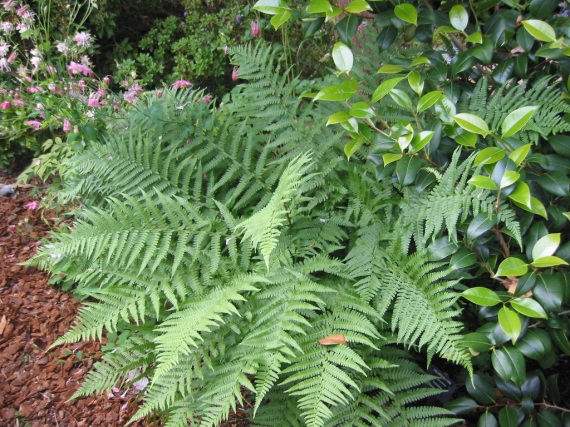


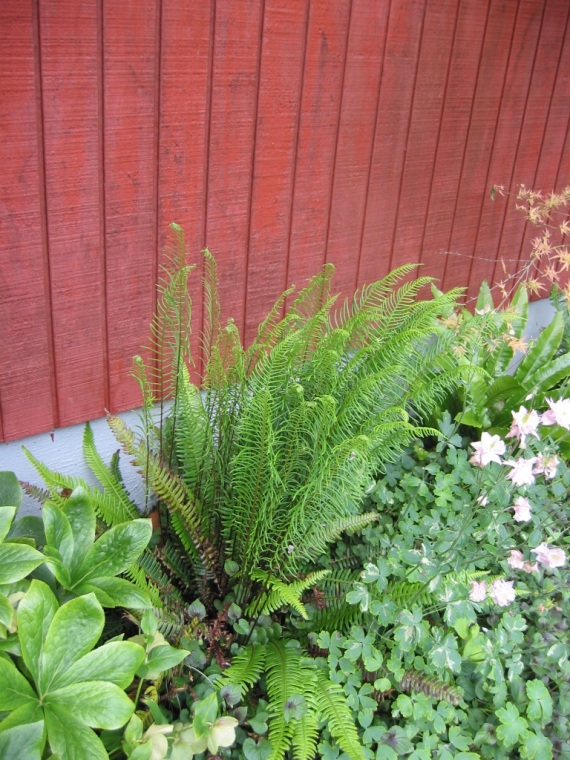


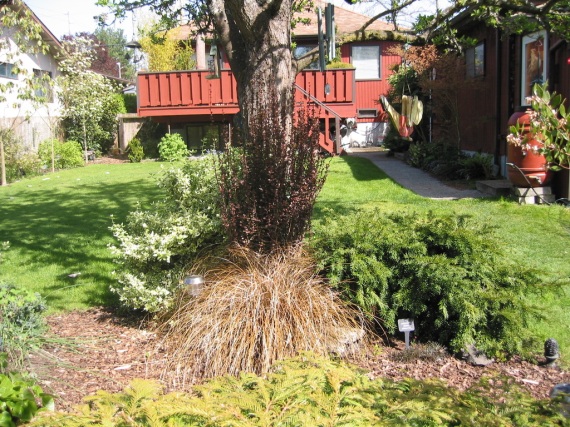


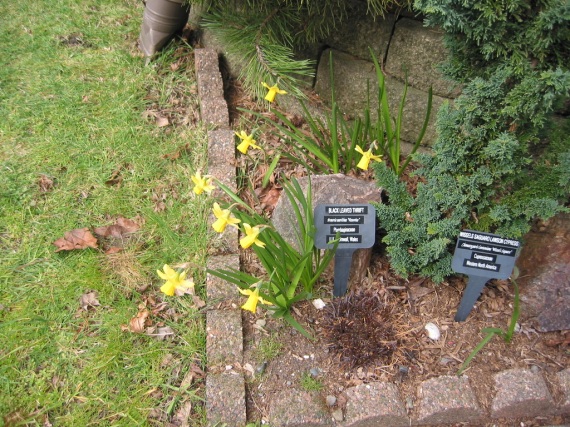
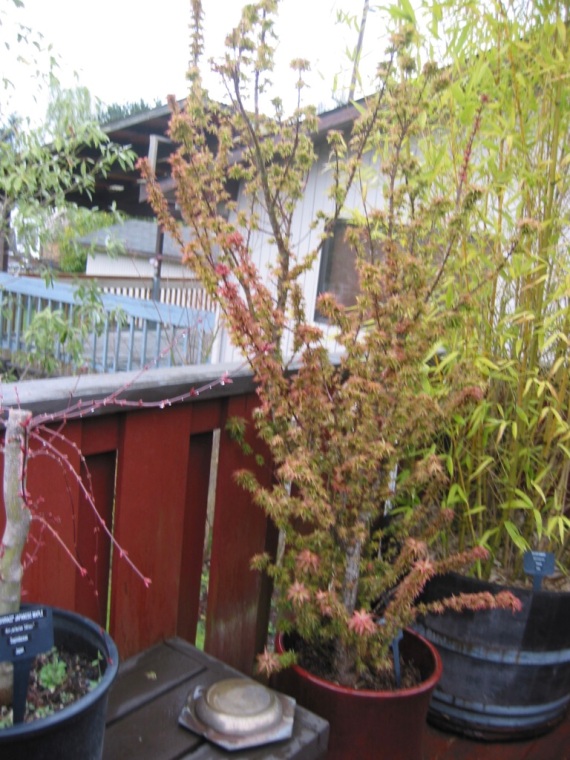

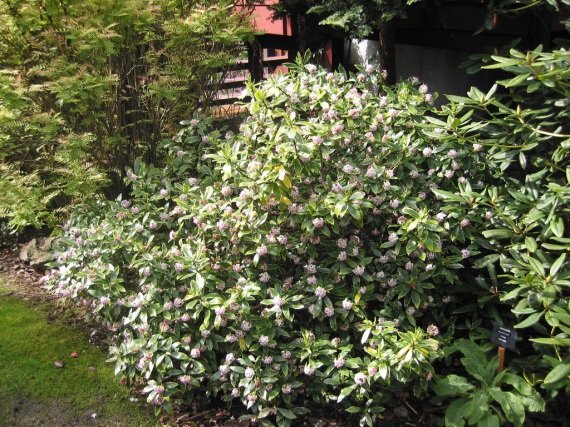


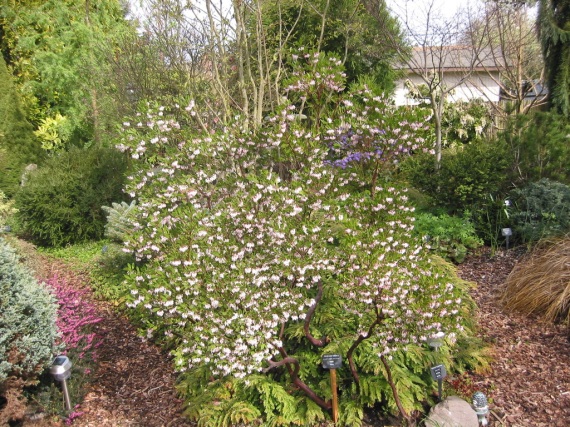


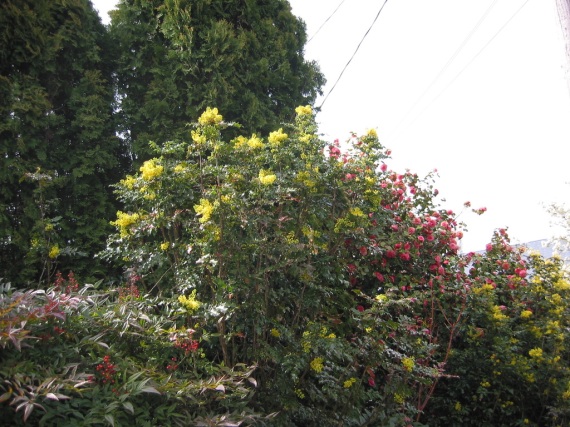

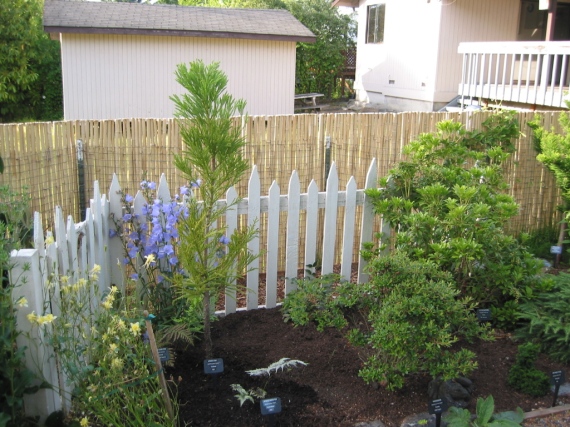
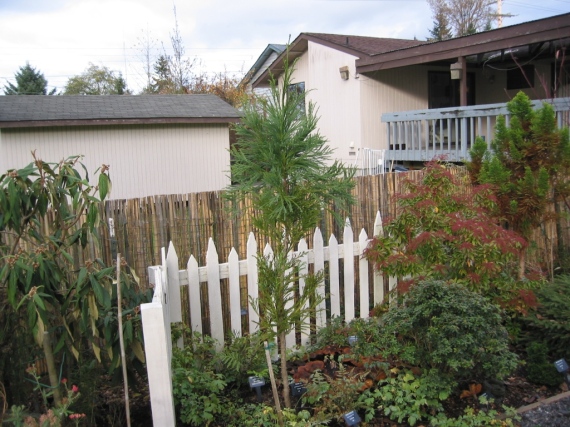

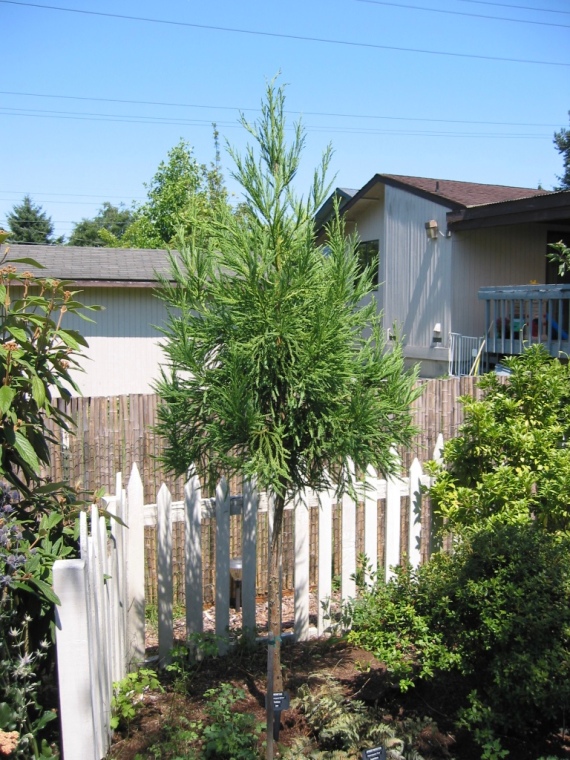
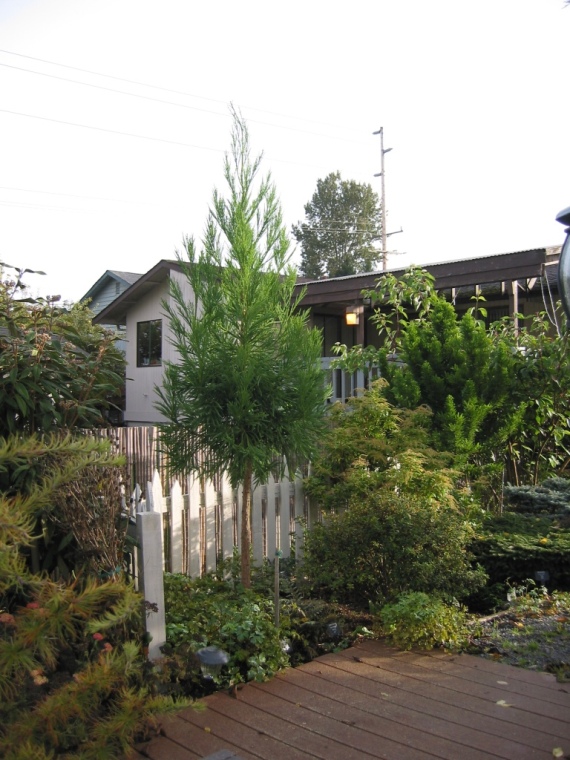


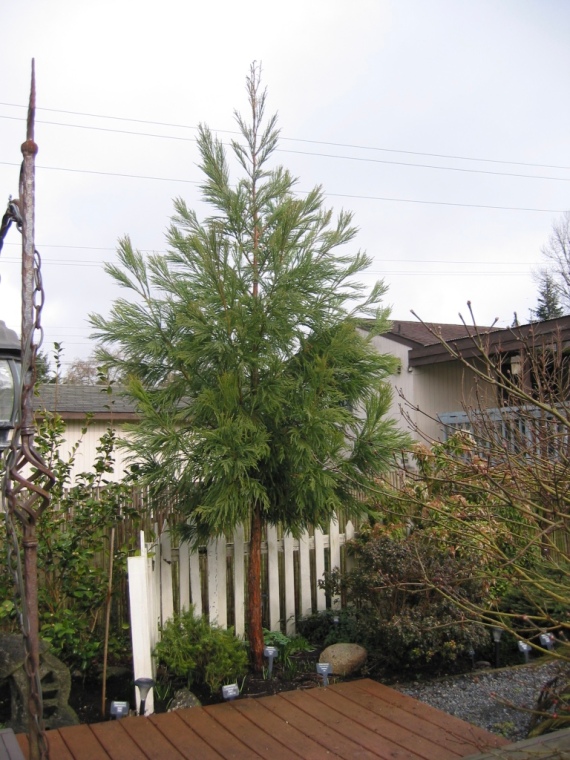
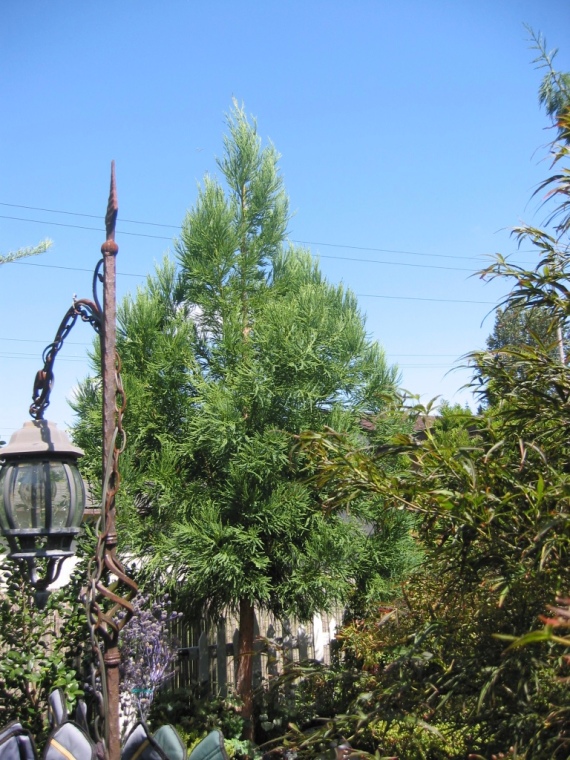


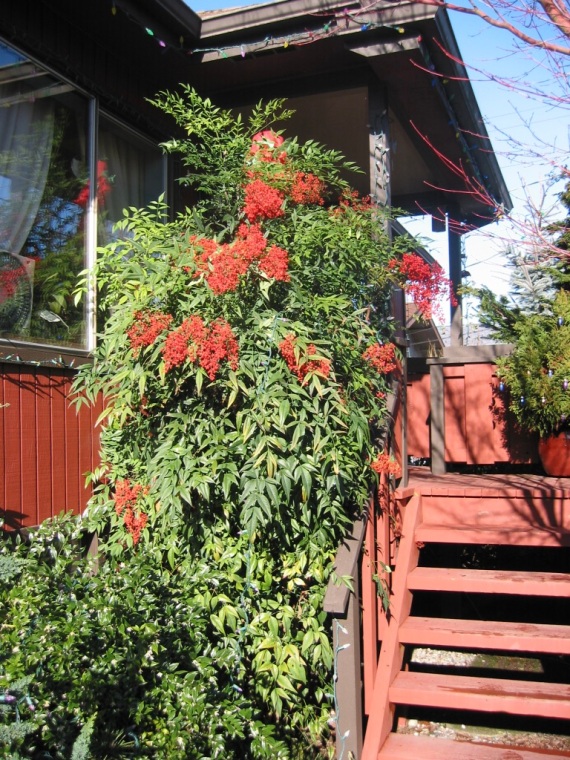


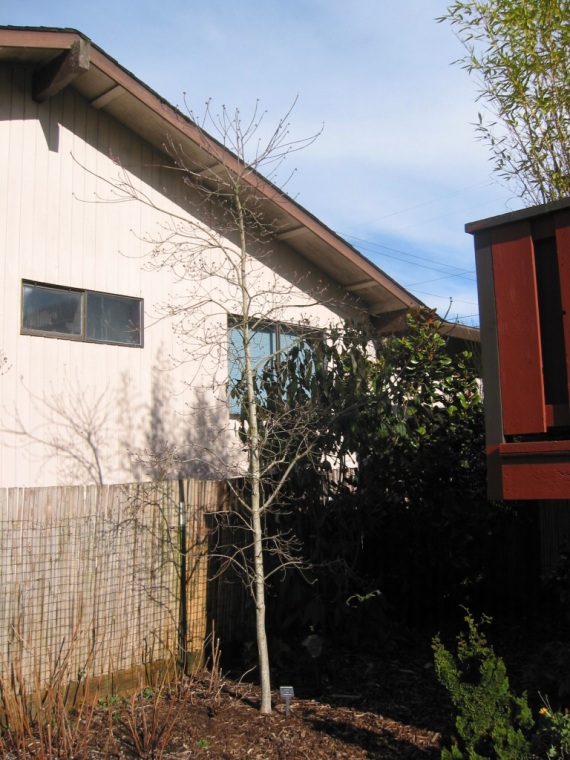
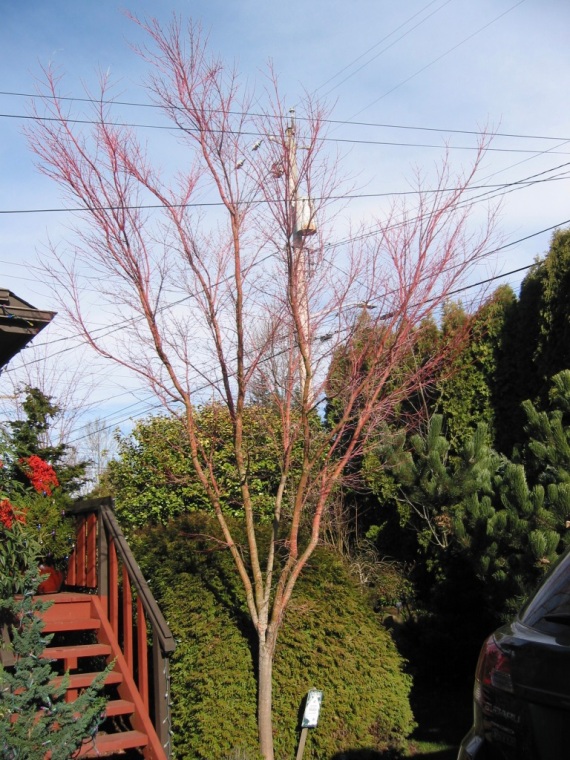
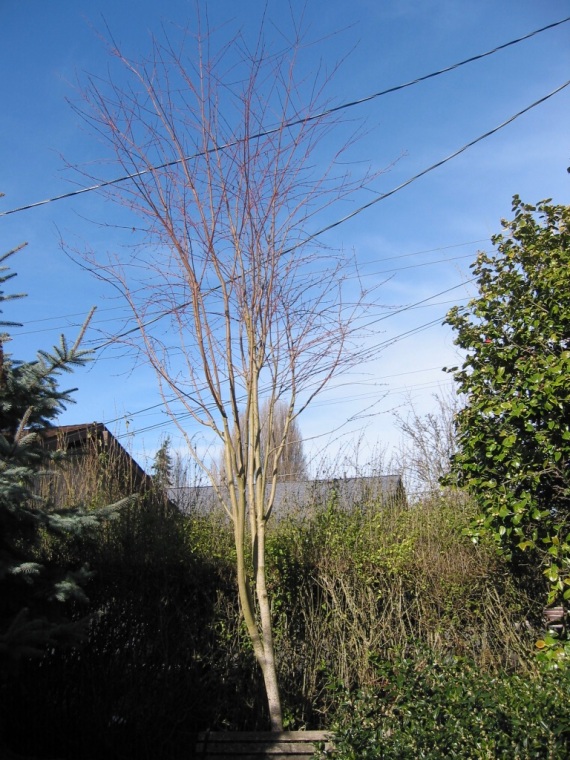








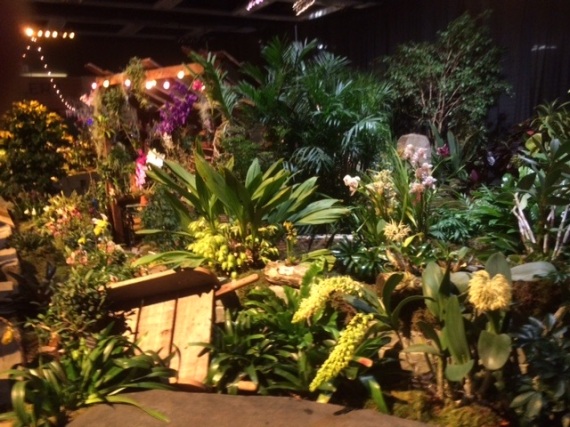


 Gardening in Greenwood